
Big Tech's AI Spending Reaches $700 Billion in 2026
Big Tech's AI spending reaches $700 billion in 2026, sparking mixed reactions on Wall Street amid capacity constraints and geopolitical tensions.
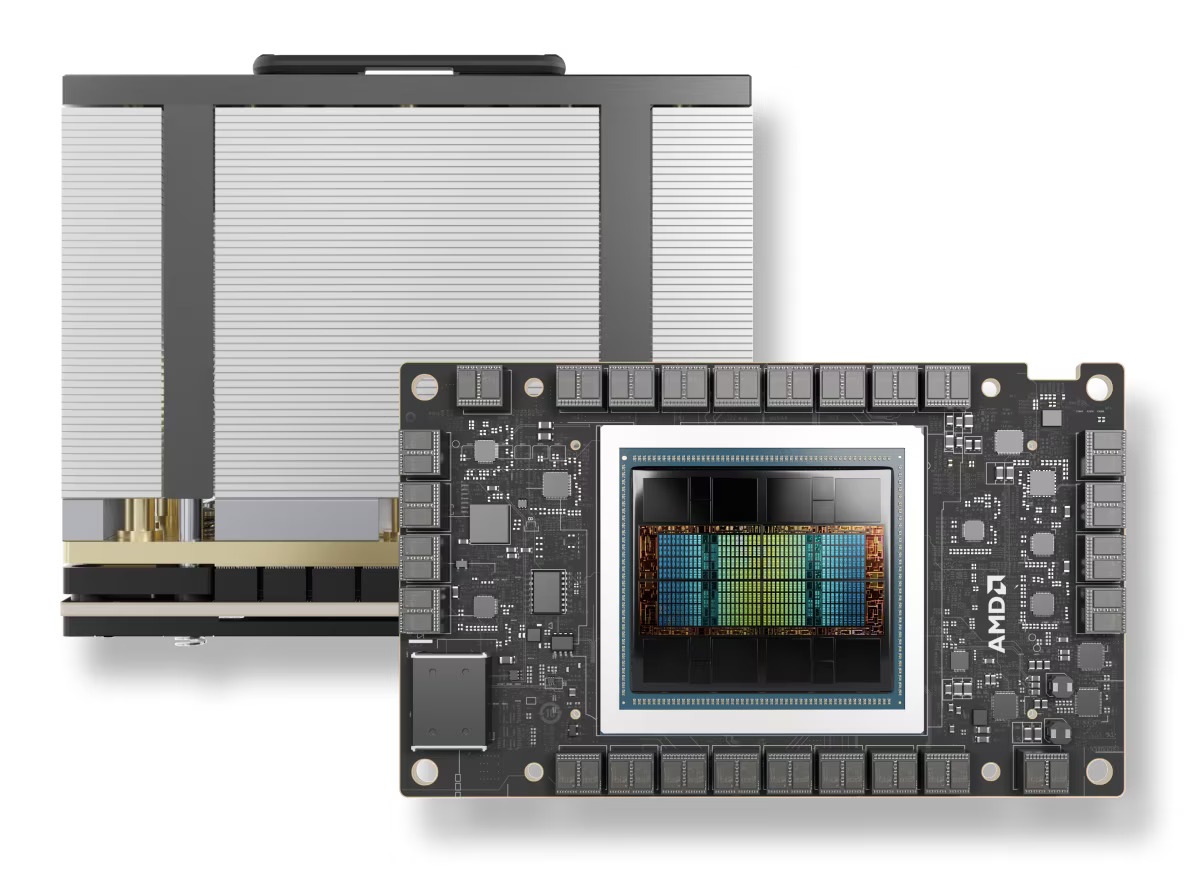
Big Tech's AI Spending Reaches $700 Billion in 2026
Alphabet, Amazon, Meta, and Microsoft are projected to collectively spend approximately $700 billion on AI infrastructure in 2026. This marks a significant increase from $410 billion in 2025 and just over $200 billion in 2024. The spending surge is driven by the need to build data centers and secure chips amid rising demand (Fortune).
Wall Street Reactions
The massive outlay has reignited investor scrutiny, with mixed reactions on Wall Street. Meta and Microsoft shares dipped due to spending concerns, while Alphabet and Amazon saw gains thanks to robust cloud revenue growth (Morningstar).
Capacity Constraints
The surge in spending is attributed to capacity constraints in AI infrastructure. Executives from all four companies have cited shortages in data centers, GPUs, and memory chips during earnings calls. Alphabet has indicated further increases beyond 2026, while Amazon, Meta, and Microsoft plan to maintain high investment levels to meet the growing demand for generative AI services.
Spending Breakdown
- Microsoft: $190 billion
- Alphabet: $180-190 billion
- Meta: $125-145 billion
- Amazon: $200 billion
Historical Spending Trends
In 2024, the combined spending of these companies was just over $200 billion, primarily focused on initial AI buildouts following the ChatGPT hype. By 2025, spending doubled to $410 billion as models like GPT-4 and Llama scaled, though revenue from AI monetization lagged (Fortune).
Competitor Dynamics
| Company | 2026 Capex Projection | Key Driver | Q1 2026 Stock Reaction |
|---|---|---|---|
| Microsoft | $190B | Azure AI, OpenAI partnership | Slipped post-earnings |
| Amazon | $200B | AWS expansion | Rose on cloud growth |
| Alphabet | $180-190B | Google Cloud, TPUs | Gained on strong results |
| Meta | $125-145B | Llama models, data centers | Fell sharply |
Emerging challengers like Oracle are ramping up AI cloud offerings but lack the scale of the hyperscalers. NVIDIA remains dominant in chip supply, benefiting from the increased demand (Morningstar).
Strategic Timing
The AI infrastructure arms race is entering its third year, driven by the commoditization of large language models (LLMs) and enterprise demand. Geopolitical tensions and energy demands for data centers add urgency to the buildout (Fortune).
Market Implications
Critics warn of a potential bubble, drawing parallels to the dot-com era where capital expenditure outpaced revenue. However, some investors remain optimistic, pointing to strong cloud revenue growth from Amazon and Alphabet. Long-term, this could solidify U.S. AI dominance but also risk inflating tech valuations (Morningstar).
[[Internal Link: ChatGPT]]


