
Bristol Myers Squibb Leads AI Integration in Pharma Manufacturing
Bristol Myers Squibb leads AI adoption in pharma manufacturing, highlighting a divide as U.S. factories lag in AI integration.
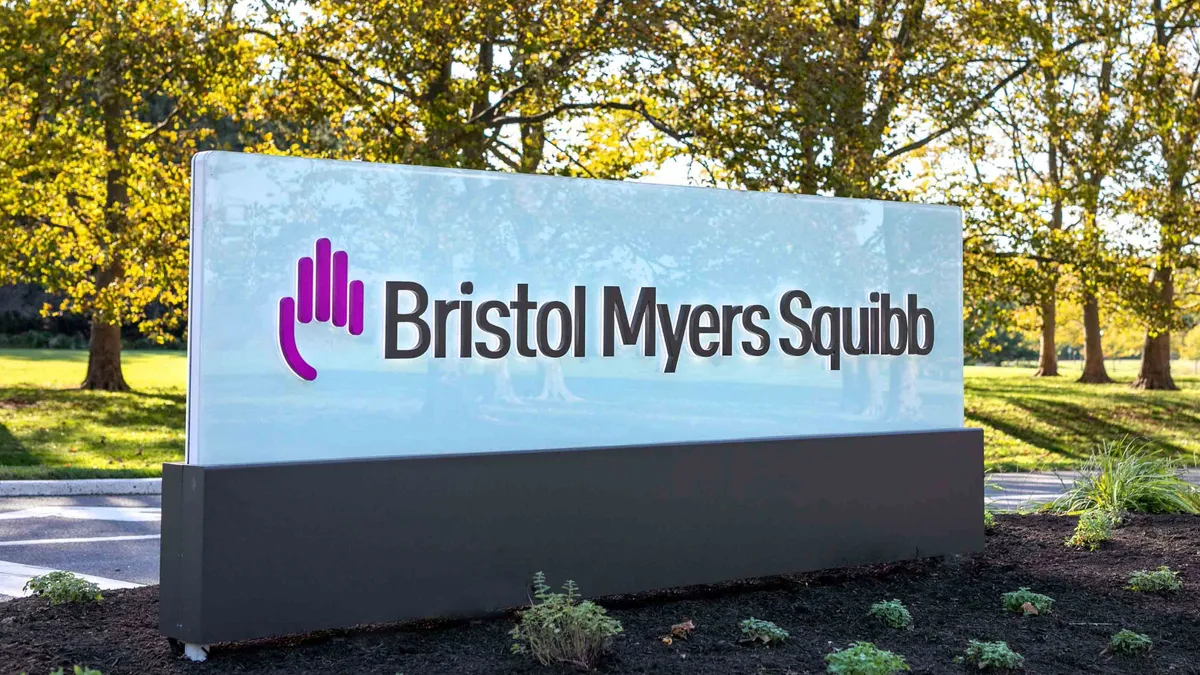
American Factories Lag in AI Adoption
San Francisco and New York – May 6, 2026 – While U.S. manufacturing broadly lags in AI integration, pharmaceutical giant Bristol Myers Squibb (BMS) stands out as a trailblazer. BMS is deploying AI to monitor production lines and optimize operations in its factories. A New York Times investigation reveals that American factories are falling behind global peers in AI adoption, with BMS's advanced use cases highlighting a stark industry divide.
The Adoption Chasm
The New York Times reports that U.S. factories are broadly lagging in AI adoption, with many still reliant on manual processes amid labor shortages and rising costs. In contrast, BMS leverages AI for real-time monitoring of pharmaceutical production lines, predicting equipment failures, and ensuring compliance in highly regulated environments.
Fresh data from MaintainX's 2026 State of Industrial Maintenance report, based on 2,234 leaders across the U.S. and Canada, paints a more optimistic picture for subsets of the sector. 58% of maintenance teams now use AI in operations, with 75% achieving measurable ROI within six months. Applications span maintenance data analytics, knowledge capture, real-time repair assistance, and root cause analysis (BusinessWire/MaintainX Report).
Agentic AI and Forecasts
Agentic AI, autonomous agents that act independently, emerges as the next frontier. Deloitte predicts a fourfold increase in its manufacturing adoption by year-end 2026, rising from 24% to potentially much higher. McKinsey data shows 62% of mid-sized and large businesses experimenting, with 23% scaling. IDC forecasts that by 2028, 65% of G1000 manufacturers will embed AI agents in design tools, slashing redesign costs (Synera/Deloitte & McKinsey).
Why Now? Reshoring and Investment Waves
The "why now" boils down to macro shifts: Tariffs on imports, reshoring initiatives, and a $1.7 trillion manufacturing investment surge are forcing supply chain overhauls. AI agents address workforce gaps—U.S. manufacturing faces a skills deficit amid retiring boomers—encoding expertise into scalable systems. Mid-market plants see economic reshaping via AI, with 90-day implementation roadmaps emerging (SkyQuest on Supply Chains).
Competitors and Skeptical Views
Competitors like Pfizer and Moderna trail BMS in factory AI but lead in R&D AI. MaintainX positions itself against legacy systems like UpKeep, boasting faster ROI. Broader manufacturing giants like General Electric experiment with AI twins, yet NYT critiques slow enterprise rollout due to legacy tech and union resistance.
Skeptics question hype: While MaintainX reports quick wins, scaling AI agents risks data silos and over-reliance on unproven autonomy. Deloitte's gap—from 6% to 24% adopters—warns laggards risk obsolescence, but integration costs could burden smaller firms (Synera).
Implications for U.S. Manufacturing
BMS's success signals pharma's lead, but MaintainX data shows maintenance as the entry point for wider adoption. With agentic AI forecasts, U.S. factories could close the global gap by 2028, boosting productivity amid reshoring. Yet, the lag persists for non-pharma sectors, demanding policy support like CHIPS Act extensions. Investors eye AI vendors like MaintainX, while executives weigh risks versus 75% sub-six-month ROI.


