
Google Launches Gemini 3 with Advanced Agentic Features for Chrome
Google's Gemini 3 AI assistant now brings intelligent browsing and proactive task automation to Chrome, powered by advanced agentic capabilities that learn from your emails, photos, and search patterns.
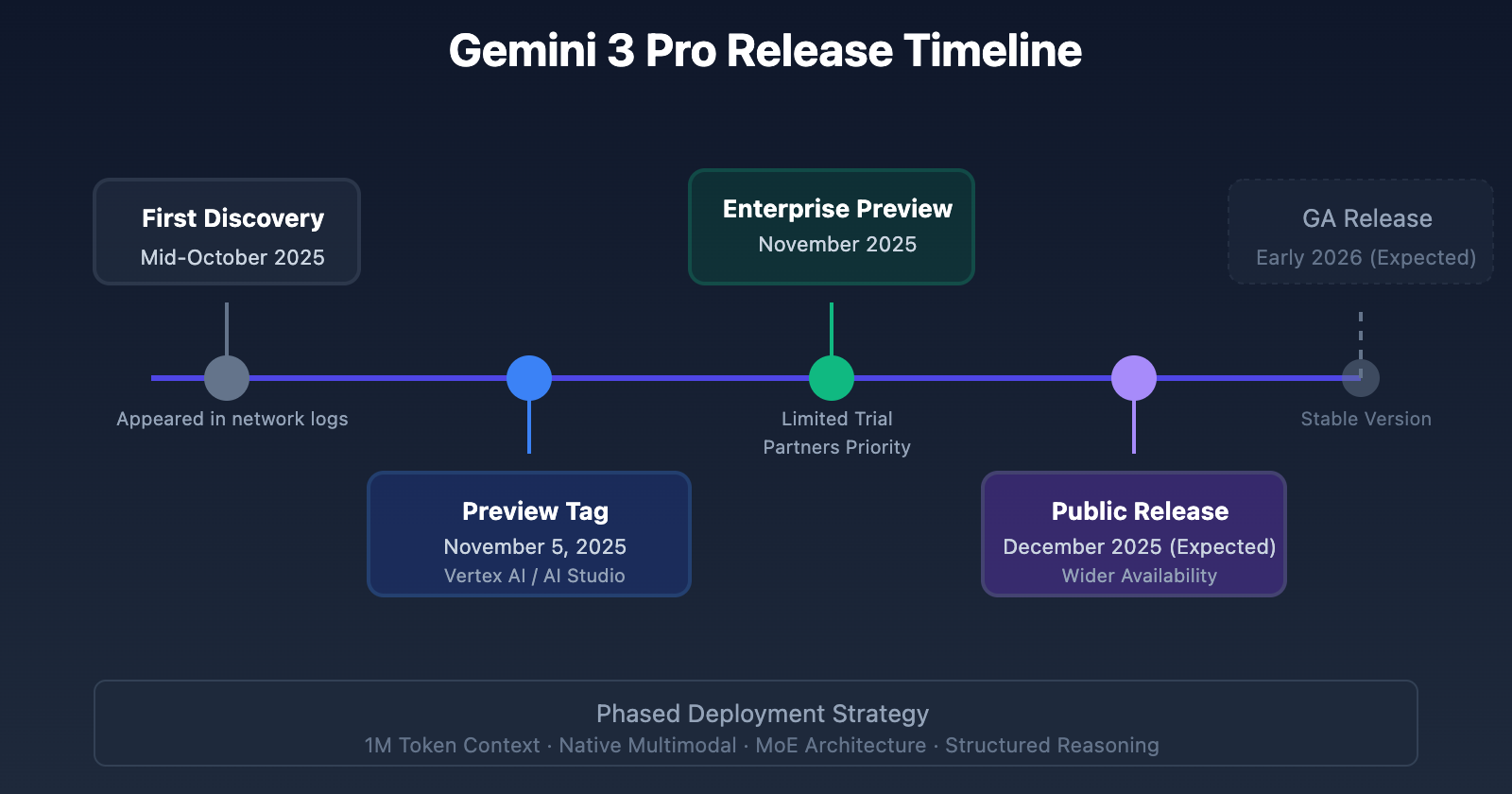
The AI Assistant Arms Race Intensifies
Google is escalating its competition with rivals by embedding Gemini 3 directly into Chrome with a suite of agentic features designed to fundamentally reshape how users interact with the web. Rather than simply answering queries, the new assistant proactively anticipates user needs and automates complex tasks—a significant leap beyond traditional chatbot functionality.
According to TechCrunch, Gemini 3's beta feature now provides proactive responses based on your photos, emails, and browsing history. This represents a fundamental shift from reactive to predictive AI assistance, where the system learns behavioral patterns and acts before users explicitly request help.
What Makes Gemini 3 Different
Agentic Intelligence in the Browser
The core innovation lies in Gemini 3's agentic capabilities—the ability to autonomously execute multi-step tasks within Chrome. Google's official announcement highlights how the assistant can now:
- Synthesize information across multiple browser tabs and Gmail conversations
- Automatically surface relevant context based on your current activity
- Execute workflows without explicit step-by-step instructions
- Learn from user preferences to improve future recommendations
This moves beyond simple search enhancement into what Google terms "personal intelligence"—an AI system that understands your digital ecosystem and acts as an intelligent intermediary.
Multimodal Processing at Scale
Google's technical documentation reveals that Gemini 3 processes text, images, and video simultaneously. The system can analyze a screenshot from your email, cross-reference it with your browsing history, and generate contextually relevant suggestions—all without manual intervention.
Integration Across Google's Ecosystem
The rollout extends beyond Chrome. According to Tom's Guide, Gemini 3 is being woven into Gmail, Google Search, and Android devices, creating a unified AI layer across Google's product suite. This ecosystem approach gives Google a structural advantage: users who rely on Gmail, Chrome, and Android are increasingly locked into a Gemini-first workflow.
Chrome Unboxed reports that Google Search itself is receiving a "personal intelligence upgrade," where search results are now filtered and ranked based on your individual context rather than generic relevance signals.
Technical Capabilities Under the Hood
Gemini 3 leverages advanced large multimodal models (LMMs) to process diverse input types simultaneously. The architecture enables:
- Context Retention: The assistant maintains awareness of ongoing conversations across multiple sessions
- Cross-Platform Awareness: Unified understanding of your activity across Gmail, Drive, Photos, and Calendar
- Predictive Tasking: Anticipates common workflows and suggests automation opportunities
- Privacy-First Processing: According to Google's strategy, on-device processing handles sensitive data locally before cloud synchronization
The Competitive Landscape
This launch directly challenges OpenAI's ChatGPT and Microsoft's Copilot, which have focused on conversational interfaces. Gemini 3's agentic approach suggests Google believes the next frontier is autonomous task execution—AI that doesn't wait for instructions but actively manages your digital life.
The integration into Chrome is particularly strategic. With over 3 billion users, Chrome represents an unparalleled distribution channel for AI features, giving Gemini 3 immediate reach that competitors must work harder to achieve.
What's Next
The beta phase indicates Google is still refining agentic behavior and safety guardrails. Expect broader rollout throughout 2026 as the company addresses edge cases and user feedback. The real test will be whether users trust an AI system to autonomously act on their behalf—a psychological and technical hurdle that will define the next generation of AI assistants.


