
Meta narrows 2026 capex range as AI data‑centre buildout expands
Meta raises the low end of its 2026 capex range to $130B–$145B and lifts expense guidance after $2.4B legal charges, signalling an aggressive AI data‑centre push that tightens free cash flow.
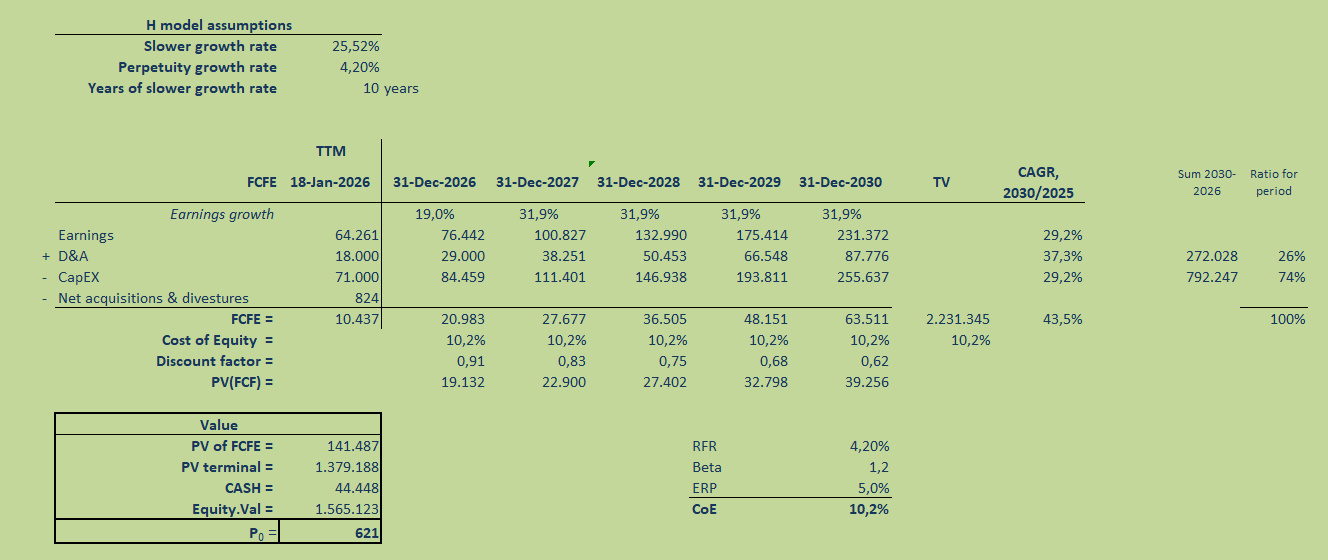
Meta narrowed its 2026 capital‑expenditure guidance on July 29, raising the low end of its forecast to $130 billion while keeping the high end at $145 billion, the company told investors and reporters, according to Reuters. (reuters.com) The Facebook parent also lifted the bottom of its full‑year expense outlook to $165 billion–$169 billion from $162 billion–$169 billion after recognising $2.4 billion of legal charges in the second quarter. (reuters.com)
Meta’s move tightens a guidance range that has shifted several times this year and signals continued heavy investment in AI computing capacity even as the company manages near‑term cash flow pressure.
2026 capex now $130B–$145B
Meta’s revised range represents a material step up from the roughly $72.2 billion it spent in 2025, and keeps the company on a significantly higher investment trajectory than most of last year. (datacenterdynamics.com) The adjustment is technically a narrowing — Reuters notes only the low end moved higher — but it also fixes a new baseline for how much Meta plans to pour into servers, networking and buildings to support large‑scale AI workloads. (reuters.com)
Analysts have tracked several iterations of Meta’s guidance this year (earlier reports cited ranges such as $115 billion–$135 billion and $125 billion–$145 billion), a pattern that reflects both planning uncertainty and the lumpy, project‑by‑project nature of data‑centre rollouts. (datacenterdynamics.com) Investors watch the low end of the range because it sets the minimum hardware and build commitments the company expects to make.
AI data‑centre buildout strains free cash flow
Reuters frames the revision as part of Meta’s decision to “double down on building a fleet of data centres to expand its AI computing power,” even though the increased buildout is already squeezing free cash flow. (reuters.com) That broader industry trend is visible in estimates that Big Tech capex has surged this year — consensus for the sector climbed from roughly $485 billion in January to about $730 billion by July — suggesting Meta is operating in a competitive arms race for chips and racks. (reuters.com)
Not everyone accepts that the higher spending will pay off quickly. Some market strategists warn that prolonged elevated capex could keep returns depressed and leave Meta exposed if demand for incremental AI compute softens. Reuters quoted the cash‑flow squeeze directly; other analysts have questioned whether current capex plans bake in enough operational efficiency improvements or hardware cost declines. (reuters.com)
Meta itself has portrayed the investment as strategic: more data‑centre capacity feeds both its generative AI models and ad‑targeting/engagement systems that underpin revenue. Still, lifting guidance after absorbing a $2.4 billion legal charge in Q2 highlights how one‑off items and recurring infrastructure bills are combining to push near‑term expenses higher. (reuters.com)
Comparatively, rivals are also expanding AI infrastructure but with different tradeoffs. Amazon, Microsoft and Google have each announced large data‑centre and chip commitments tied to cloud AI services; industry reporting puts aggregate Big Tech AI spend in the high hundreds of billions for the coming year, compressing the window for self‑funded returns and intensifying competition for suppliers and real‑estate sites. (reuters.com)
A skeptical investor note circulated after the guidance change argued Meta’s capex trajectory “is asymmetric” — upside is capped by market growth while downside risks include extended hardware cycles and slower monetisation — though other analysts see the spending as necessary to avoid falling behind in high‑performance model training. (businessinsider.com)
Looking ahead, the next concrete metric to watch is Meta’s reported free cash flow and its Q3 capital‑deployment cadence: will quarterly spending accelerate toward the new low‑end target, or will the company pace project starts to smooth cash‑flow volatility? The answers will shape whether investors view Meta’s AI buildout as prudent platform building or an expensive strategic stretch. (reuters.com)

