
OpenAI Launches Codex Labs to Expand AI in Enterprises
OpenAI launches Codex Labs with global partners to scale AI coding tools in enterprises, targeting legacy modernization and more.
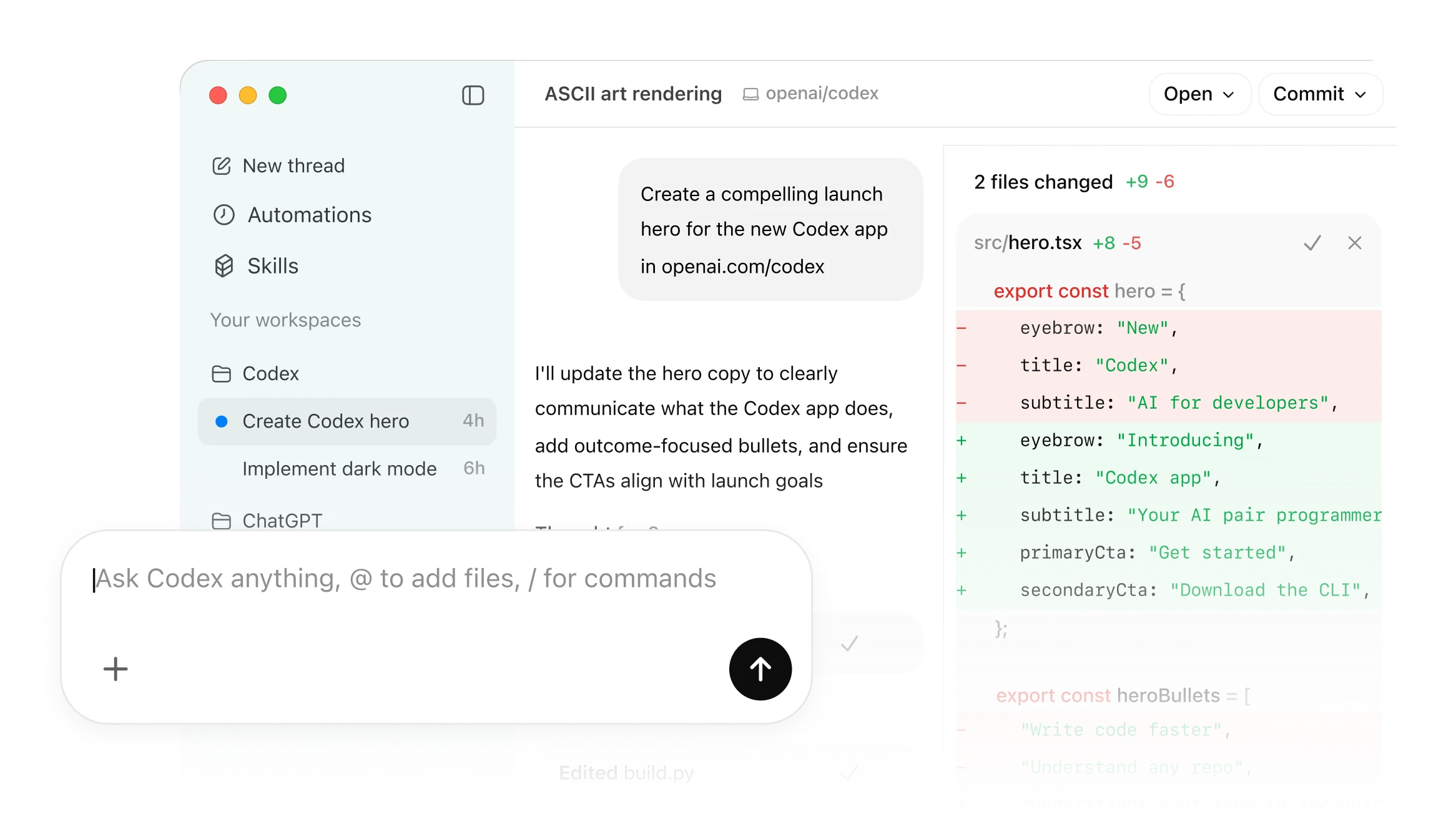
OpenAI Launches Codex Labs to Expand AI in Enterprises
OpenAI announced on April 21, 2026, the launch of Codex Labs and strategic partnerships with major global systems integrators (GSIs) including Accenture, Capgemini, CGI, Cognizant, Infosys, PwC, and Tata Consultancy Services (TCS). This initiative aims to accelerate enterprise adoption of its Codex AI coding platform (OpenAI).
Codex and Codex Labs
Codex is OpenAI's flagship AI model for code generation, reasoning, and automation. It powers tools that write, review, and refactor software using natural language prompts. Originally evolved from early GitHub Copilot roots, Codex now supports full-lifecycle integration, including vulnerability scanning and business workflow integration (Global Banking and Finance).
Codex Labs represents a new service model where OpenAI deploys dedicated experts on-site at client firms to customize integrations, train teams, and scale deployments. Partners like CGI gain early access to upcoming features, enabling joint innovation programs and go-to-market strategies focused on "agentic" AI—autonomous systems handling multi-step tasks (CGI).
Growth and Impact
Codex's growth has been notable, with weekly active users reaching 4 million as of April 21, up from 3 million earlier in the month. Within ChatGPT Business and Enterprise tiers, Codex usage surged 6x from January to April 2026 (The Next Web).
Enterprise revenue now comprises over 40% of OpenAI's total, projected to match consumer revenue by year-end 2026. Early wins include client engagements in legacy transformation, where Codex has cut costs and timelines historically plagued by complexity (PR Newswire).
Competitor Landscape
| Provider | Key Offering | Strengths | Weaknesses | Enterprise Focus |
|---|---|---|---|---|
| OpenAI Codex | Full-lifecycle code automation, agentic workflows via Labs/GSI partners | Rapid scaling, embedded experts, legacy mod | High competition, dependency on partners | Heavy via consultancies |
| Anthropic Claude | Secure code gen, enterprise safety features | Strong security, multi-model support | Slower enterprise ramp-up | Growing, but less partner ecosystem |
| Google Gemini Codey | Integrated with Vertex AI, cloud-native | Seamless Google Cloud tie-in, cost efficiency | Less flexible for non-Google stacks | Strong in cloud-heavy firms |
| Microsoft GitHub Copilot | VS Code integration, enterprise plans | Mature adoption | Overlaps with Codex heritage | Dominant in dev tools |
Strategic Context
This launch coincides with enterprise AI hype peaking in 2026, driven by cost pressures to automate dev ops amid talent shortages and a $500B+ global software market ripe for AI disruption (The Next Web).
Post-2025 regulatory scrutiny on AI safety has pushed firms toward vetted, partner-led deployments. OpenAI's enterprise revenue trajectory signals a maturation strategy, diversifying from volatile consumer reliance.
Implications and Challenges
For enterprises, Codex promises 20-50% dev velocity gains per partner anecdotes. However, success hinges on integration quality—no independent audits yet confirm broad ROI. Risks include over-reliance on AI for critical code and partner lock-in.
Skeptics note this as reactive to competition, with concerns about GSI dependencies diluting OpenAI's control versus rivals' cloud-native stacks.
Visuals
- OpenAI's announcement features a product illustration of Codex interface with code generation demo.
- CGI partnership graphic shows Codex agent icons in legacy mod scenarios.
This positions OpenAI to capture enterprise dev AI dominance, blending cutting-edge models with proven consulting muscle.


