
San Francisco buyers offer OpenAI, Anthropic equity to win bidding wars
Some San Francisco sellers are accepting OpenAI or Anthropic shares as part of offers, a sign of how concentrated AI wealth is reshaping an already overheated market. Brokers say the practice is still rare, but broader data show record overbids and faster sales.
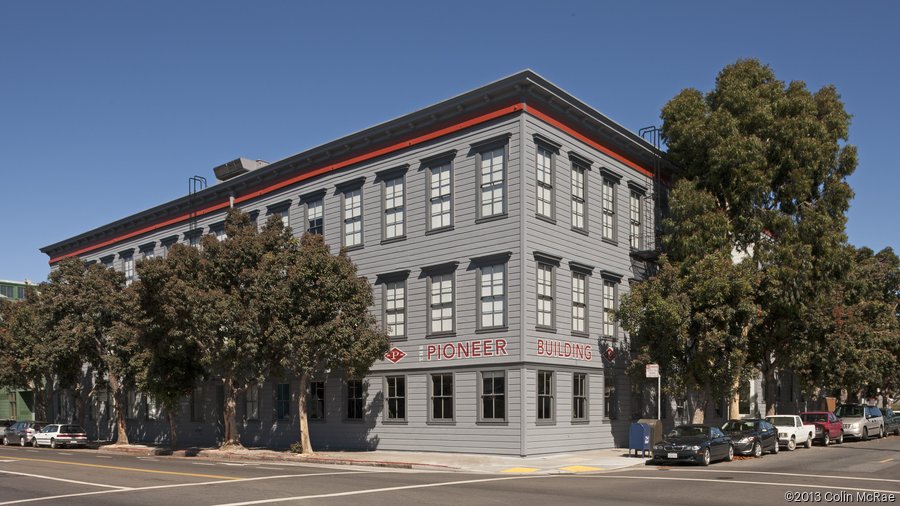
San Francisco home sellers are increasingly entertaining offers that include private AI-company equity as a form of payment, a development realtors and local reporting say is helping some buyers outbid rivals in the city's overheated housing market. The New York Post described a viral exchange this week in which a buyer lost to a purchaser offering OpenAI stock, and realtors quoted in that account said some sellers want "exposure to AGI" rather than cash alone [https://nypost.com/2026/07/04/real-estate/ai-crazed-san-francisco-homebuyers-find-insane-new-currency-to-outbid-rivals/].
Why it matters: the practice, while still exceptional, highlights how concentrated AI-driven wealth is changing transaction mechanics in a supply-constrained market. Data from local brokers shows houses are selling faster and for larger premiums in early 2026, and anecdotal stock-for-home deals risk amplifying inequality and complicating valuations when equity is privately held and illiquid.
Sellers marketing OpenAI or Anthropic equity
At least one San Francisco listing in the Duboce Triangle has reportedly been advertised with the option for sellers to accept shares from AI startups such as OpenAI or Anthropic, according to local reporting that tracked a handful of similar cases [https://letsdatascience.com/news/sellers-accept-ai-stock-as-payment-in-bay-area-home-sales-2046835c]. The New York Post recounts an exchange in which a losing bidder reacted, "That’s not even real money," while a realtor defended the trend, saying "the sellers are looking for exposure to AGI" [https://nypost.com/2026/07/04/real-estate/ai-crazed-san-francisco-homebuyers-find-insane-new-currency-to-outbid-rivals/].
Those anecdotes sit against a backdrop of extraordinary private-company valuations cited in press coverage — the Post reports March marks valuing OpenAI and Anthropic in the high hundreds of billions — but those numbers are internal marks rather than publicly audited prices and should be treated cautiously [https://nypost.com/2026/07/04/real-estate/ai-crazed-san-francisco-homebuyers-find-insane-new-currency-to-outbid-rivals/]. Sellers accepting private stock take on concentration and liquidity risk: private equity cannot be spent on closing day without secondary-market arrangements or company consent.
Compass data: 23% average overbids tie 2022 record
Market-wide data suggests the driver is broader AI-fueled wealth, not one-off barter. A Compass report, cited by SFGATE, found 85% of San Francisco houses sold over asking in early 2026, with an average overbid of 23% — tying the all-time record from April 2022 — and median single-family prices rising from $1.7 million to $2.2 million year over year [https://www.sfgate.com/realestate/article/sf-homes-sold-over-asking-22327063.php]. Houses in the city are reportedly selling in an average of 18 days, and Santa Clara County in 10 days, the fastest pace in five years [https://www.sfgate.com/realestate/article/sf-homes-sold-over-asking-22327063.php].
Marketplace has framed the same phenomenon as a concentration of capital and talent around AI employers, noting an unusual mismatch between the number of ultra-rich buyers and the tiny supply of $20 million-plus homes [https://www.marketplace.org/story/2026/06/16/ai-wealth-is-already-sending-bay-area-real-estate-soaring]. That explains why some buyers are writing all-cash offers, waiving contingencies, or exploring alternative currencies to make their bids stand out [https://www.businesstimes.com.sg/international/ai-boom-upends-san-francisco-housing-market].
Why some sellers are willing to take equity
Sellers and their agents say two motives drive the acceptance of private AI equity: a desire to share in prospective upside, and confidence in certain companies' prospects. "They have confidence that this company is solid and capable of delivering on its promises based on everything they’ve heard," said Ahmed Banafa, a San Jose State University expert, in the Post's reporting [https://nypost.com/2026/07/04/real-estate/ai-crazed-san-francisco-homebuyers-find-insane-new-currency-to-outbid-rivals/].
That rationale has limits. Industry observers caution these transactions are still rare and unevenly executed; accepting equity requires bespoke legal and tax work and creates post-sale entanglements if the stock is subject to transfer restrictions. A skeptical voice in the coverage — one losing bidder quoted in the Post — captures the tension: private startup shares are not cash at closing and carry material execution risk [https://nypost.com/2026/07/04/real-estate/ai-crazed-san-francisco-homebuyers-find-insane-new-currency-to-outbid-rivals/].
Forward-looking: expect more headline-grabbing, bespoke deals but not a wholesale replacement of cash purchases. The next concrete metric to watch is whether escrow counts and recorded sales start listing non-cash consideration with regularity — or whether regulators, title companies and brokers push back on equity deals that complicate closings and property tax assessments.


