
Solopreneur builds seven-figure business with four AI tools
A May 7 Entrepreneur profile claims a solopreneur reached seven figures in 12 months by rebuilding the business around four AI tools. The stack reads like a playbook, but the piece lacks independent verification of revenue and operational metrics.
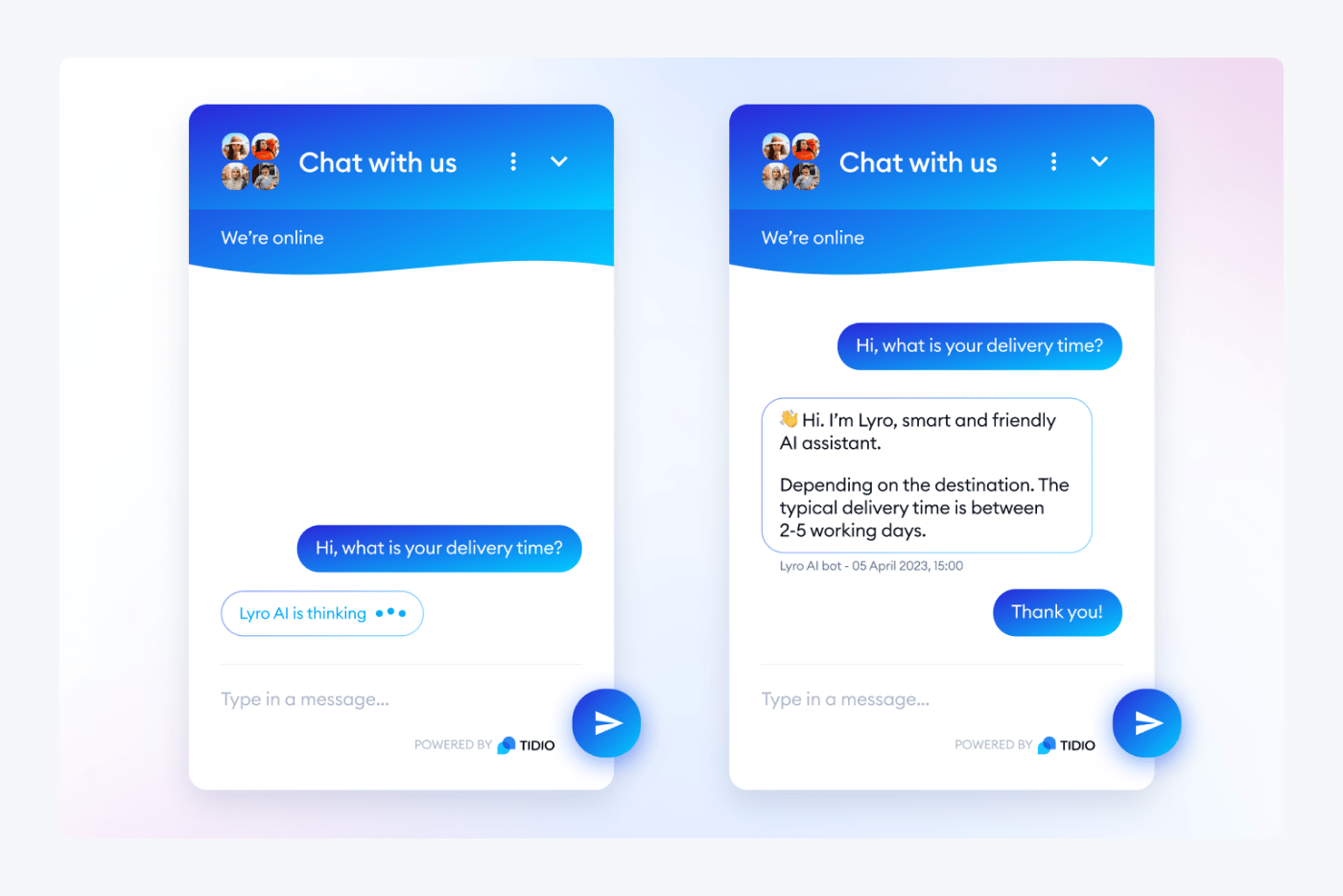
“How do you scale a side hustle to seven figures without employees or investors?” That is the central claim of an Entrepreneur profile published on May 7, 2026, in which a founder says they rebuilt their business around an AI-first stack and reached seven-figure revenue in 12 months using four tools: NoteGPT, Perplexity AI, Lyro (chat), Instantly (outreach) and Google AI Studio for analytics.[1]
Bold lead-in: A rebuilt stack, not an add-on. The article frames the shift as structural rather than incremental: “The founders who broke through in 2026 didn’t add AI to what they had — they tore down the version they built in year one and rebuilt it around AI first,” the piece quotes.[1] The founder’s workflow, as described, uses Perplexity and NoteGPT for research and content, Lyro to automate up to “70% of prospect conversations 24/7,” Instantly to automate cold outreach and scoring, and Google AI Studio trained on six months of inbox data to replicate a “top 1% marketing analyst.”[1]
That portrait is persuasive in its simplicity: replace discrete human roles with chained automation, feed the stack historical data, iterate on messaging, and let the machines surface leads and route conversations while the founder focuses on product-market fit. It’s also the kind of narrative that sells well—an efficient hero story for the era of generative AI. The Entrepreneur piece provides clear tactical prescriptions: which categories to automate, how to turn chat transcripts into training data, and when to back off and manually intervene.[1]
Bold lead-in: But the evidence is thin. The profile stops short of independent verification. Aside from the founder’s account, the article offers no third-party audit of revenue, no screenshots of bank statements or platform dashboards, and no named customers confirming the growth claim.[1] That matters because vendor metrics for tools like Lyro and Instantly are seldom standardized. The article’s assertion that Lyro handles “up to 70% of prospect conversations” comes from the founder’s account; a skeptical reader should note that the figure could reflect selective reporting or a narrow definition of “handled.”[1]
Nor does the piece compare the chosen stack against readily available alternatives. Large language models and chat tools from OpenAI or Anthropic can substitute for research and conversational layers; CRM and outreach incumbents such as HubSpot, Apollo or Salesloft sit in the same orbit as Instantly; Intercom and Zendesk remain common choices for customer chat. The Entrepreneur article offers a how-to but not a why-this-stack-over-that analysis, leaving readers to infer trade-offs in cost, integration effort and vendor lock-in.[1]
The resulting tension is both practical and strategic. On the one hand, the idea that a single operator can stitch together best-of-breed AI services to replace a small team is credible: automation can push latency to zero, increase message volume and personalize at scale. On the other hand, running a seven-figure operation as a one-person company raises operational risks—compliance, uptime, and churn management—that are easier to hide when reporting only top-line revenue.
There are also business-model limits the article does not confront. High-growth venture-backed SaaS and marketplaces often require sales engineering, large-account support and capital-intensive customer acquisition. A solopreneur stack optimized for efficient lead capture and conversion can scale revenue quickly in niches with low-touch sales, but it is less obvious that the same approach will sustain large enterprise contracts or survive changes to AI pricing and API access.
The Entrepreneur piece nevertheless serves as a practical playbook for founders willing to experiment. It names specific tools and describes a repeatable sequence: research, content, chatbot conversion, outreach and analytics.[1] For many solo founders, the immediate question is not whether the model can reach seven figures in theory, but whether it can do so reliably and with defensible margins once tool costs, data portability and regulatory overhead are baked in.
Watch next: the metrics that will validate this thesis are churn rate, average deal size and a third-party accounting of revenue growth. If the founder publishes substantiating dashboards or if independent vendors corroborate the “70% handled” chat rate, the story moves from persuasive anecdote to a reproducible operating playbook; absent that evidence, it remains a compelling example with meaningful caveats.


