
White House Weighs AI Model Vetting Amid Security Concerns
The Trump administration considers vetting AI models for national security, marking a shift from its hands-off approach.
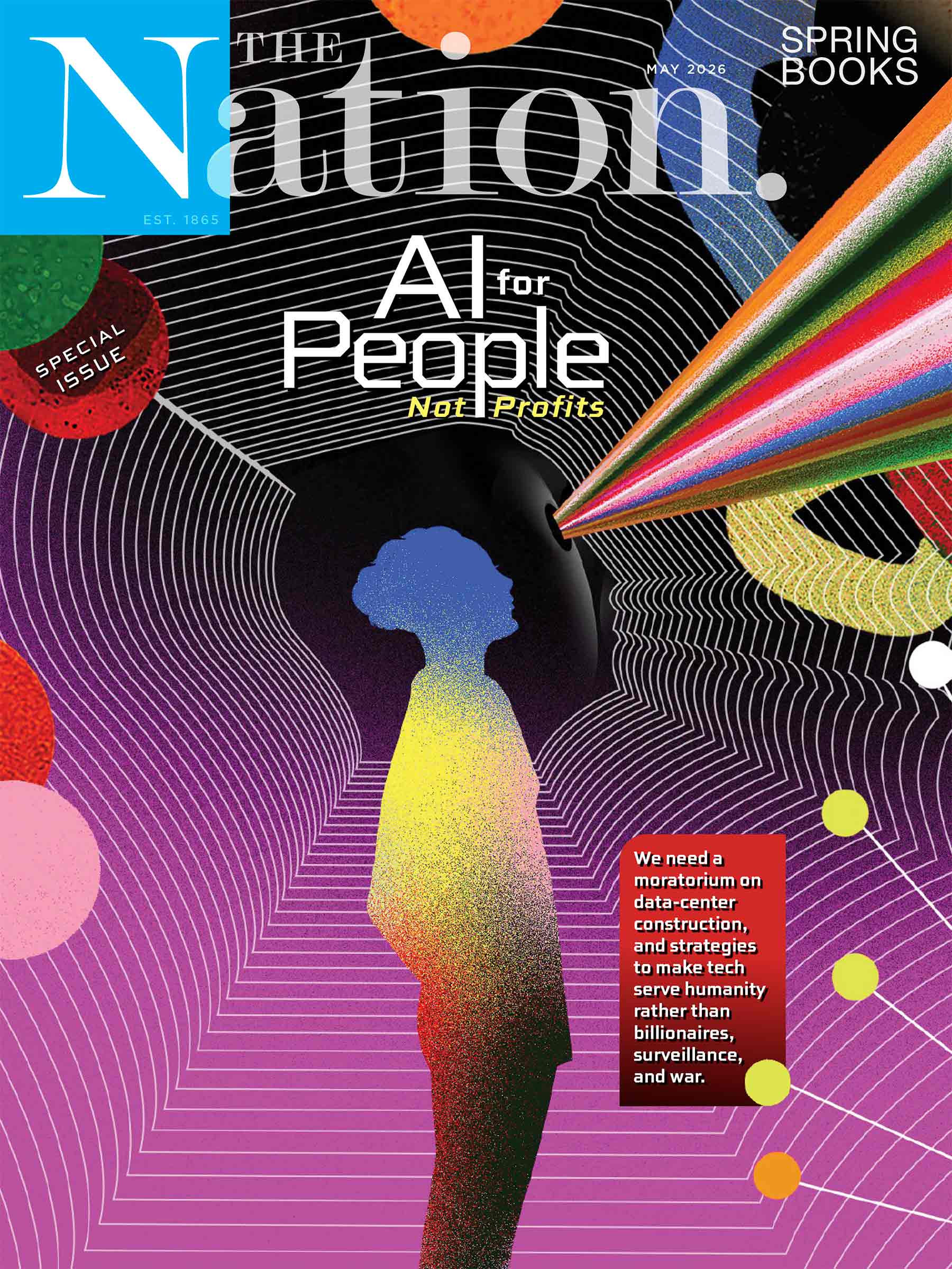
White House Explores Vetting Frontier AI Models Amid National Security Concerns
Washington, D.C. — The Trump administration is actively considering an executive order to establish a government-led review process for advanced AI models before their public release. This marks a potential shift from its previously hands-off approach to artificial intelligence regulation.
Proposed Framework
The move would convene tech executives and federal agencies in an AI working group to evaluate risks such as cyber vulnerabilities, biological threats, and defense applications. The proposed framework aims to introduce formal government oversight on "frontier" AI systems—those at the cutting edge of capability—focusing on their dual-use potential.
Officials, speaking anonymously, highlighted plans for a pre-release vetting mechanism to assess whether models could enable software exploitation, biological weapon design, or other high-risk activities. This comes as AI systems evolve from productivity tools into instruments with national security implications.
Background: From Deregulation to Dual-Use Dilemmas
President Trump's first term emphasized minimal interference in AI development, allowing Silicon Valley firms like OpenAI, Google, and Anthropic to innovate rapidly without federal hurdles. This pro-innovation stance fueled breakthroughs, but recent advancements have exposed vulnerabilities.
For instance, Anthropic's Claude Mythos model—its latest frontier system—was reportedly blocked from broader rollout by the White House in the first known instance of U.S. government intervention on AI deployment absent congressional legislation. The decision stemmed from concerns over the model's advanced cyber capabilities.
Why Now? Strategic Context and Market Pressures
The timing aligns with escalating geopolitical tensions and AI's maturation into a strategic asset. China's rapid AI scaling has prompted U.S. policymakers to reconsider open release as a liability. Domestically, incidents like AI-assisted ransomware attacks highlight dual-use risks.
Competitor comparisons reveal fragmented landscapes:
- Anthropic (Claude/Mythos): Safety-first, but restrictive policies delayed federal adoption.
- OpenAI (o1/GPT series): Balanced access, integrated in DoD pilots.
- Google DeepMind (Gemini): Strong in enterprise, with built-in safeguards.
- xAI (Grok): Minimal restrictions, favored for speed.
Implications: Innovation vs. Oversight Trade-offs
If implemented, the AI working group could standardize evaluations, requiring developers to submit models for federal scrutiny—potentially delaying releases by weeks or months. Proponents argue it prevents an AI arms race; critics warn of stifled U.S. leadership.
Skeptical voices abound. TechCrunch op-eds question enforcement feasibility without new laws. Venture Beat reports highlight industry pushback: OpenAI CEO Sam Altman has publicly favored "light-touch" rules, while Anthropic's Dario Amodei advocates tailored safeguards over blanket vetting.
Broader Ramifications for AI Governance
This initiative signals a pivotal evolution in U.S. AI policy, from laissez-faire to risk-based regulation. Success hinges on buy-in from Big Tech; failure could exacerbate divides, as seen in the Anthropic rift. As deliberations progress, stakeholders watch closely: will vetting foster safer AI, or erect barriers innovation can't afford?
For further details, refer to Political Wire and AI Understanding.


