
OpenAI's Ad Strategy Reshapes Free ChatGPT Economics
OpenAI is introducing advertisements to free ChatGPT users, fundamentally shifting its monetization model and signaling a new era of AI service commercialization. The move targets both free and Go tier users in the US.
The Advertising Inflection Point
The race to monetize generative AI just entered a new phase. OpenAI is expanding its advertising strategy to reach all free and Go tier ChatGPT users in the United States, marking a watershed moment for how AI companies balance user growth with revenue generation. This isn't simply about inserting banner ads—it represents a fundamental restructuring of OpenAI's business model as it seeks to unlock new revenue streams without alienating its massive free user base.
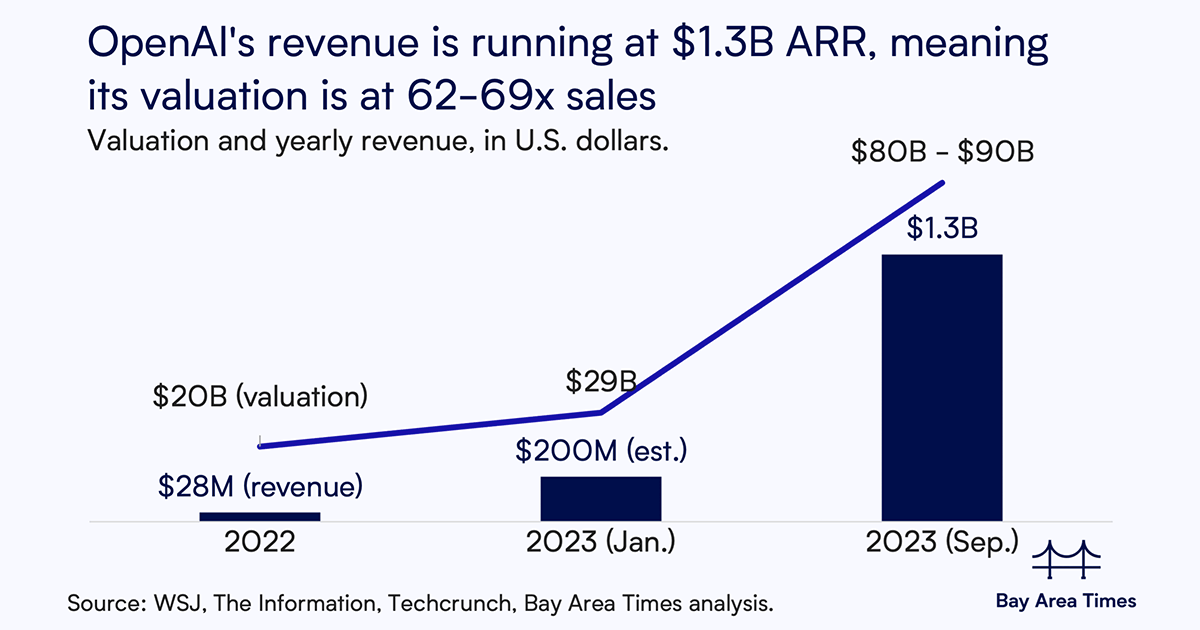
The timing reveals strategic urgency. According to reports, OpenAI is expanding ads to all Go and free version ChatGPT users, signaling that the company views advertising as essential to its financial trajectory. With billions in operational costs and competitive pressure from Google, Microsoft, and Meta, OpenAI faces mounting pressure to diversify revenue beyond premium subscriptions.
The Business Model Shift
OpenAI's advertising initiative reflects a broader industry pattern. Free-tier users represent the largest segment of ChatGPT's user base, yet they generate zero direct revenue. By introducing targeted advertisements, OpenAI transforms these users into a monetizable audience for enterprise software vendors, marketing platforms, and B2B service providers.
Key implications of the strategy:
- Audience Scale: Free users provide an unmatched testing ground for advertisers seeking to reach AI-native audiences
- Advertiser Demand: Businesses are increasingly interested in ChatGPT advertising platforms, viewing the platform as a high-intent marketing channel
- Premium Tier Differentiation: Paid subscribers (ChatGPT Plus, Pro) will likely remain ad-free, preserving the value proposition for premium customers
Advertiser Opportunity and Challenges
The advertising model creates a novel challenge for marketers. Businesses need to understand ChatGPT ad policies and best practices to effectively reach users within the platform's conversational interface. Unlike traditional display advertising, ads within ChatGPT must integrate seamlessly into the user experience without disrupting the core AI interaction.
Early guidance suggests that businesses should prepare for new advertising opportunities on ChatGPT, with specific requirements around ad format, disclosure, and relevance targeting.
The Subscription Paradox
Interestingly, OpenAI's advertising push coincides with reports that the company may be reconsidering unlimited subscription plans. This suggests a multi-layered monetization strategy: free users see ads, mid-tier subscribers pay for limited usage without ads, and premium users pay for unlimited access with no advertising. This tiered approach mirrors successful models from Spotify, YouTube, and other consumer platforms.
What's Next
The introduction of advertising to free ChatGPT users represents a critical inflection point for the AI industry. If successful, it validates the freemium-plus-advertising model as viable for large language models. If user experience suffers or adoption slows, it could signal that AI services require different monetization approaches than traditional software platforms.
For advertisers, the opportunity window is opening now. Early adoption of ChatGPT advertising could provide competitive advantages before the platform becomes saturated with commercial messages. For users, the trade-off is clear: free access in exchange for exposure to targeted advertising.
OpenAI's move will likely influence how competitors—Google, Microsoft, and others—approach monetization of their own AI services. The next 12 months will determine whether advertising becomes the standard revenue model for free-tier AI access.


