
Samsung Launches Galaxy S26 Series with Advanced AI
Samsung launches Galaxy S26 series with advanced AI features, enhancing user interaction and privacy.
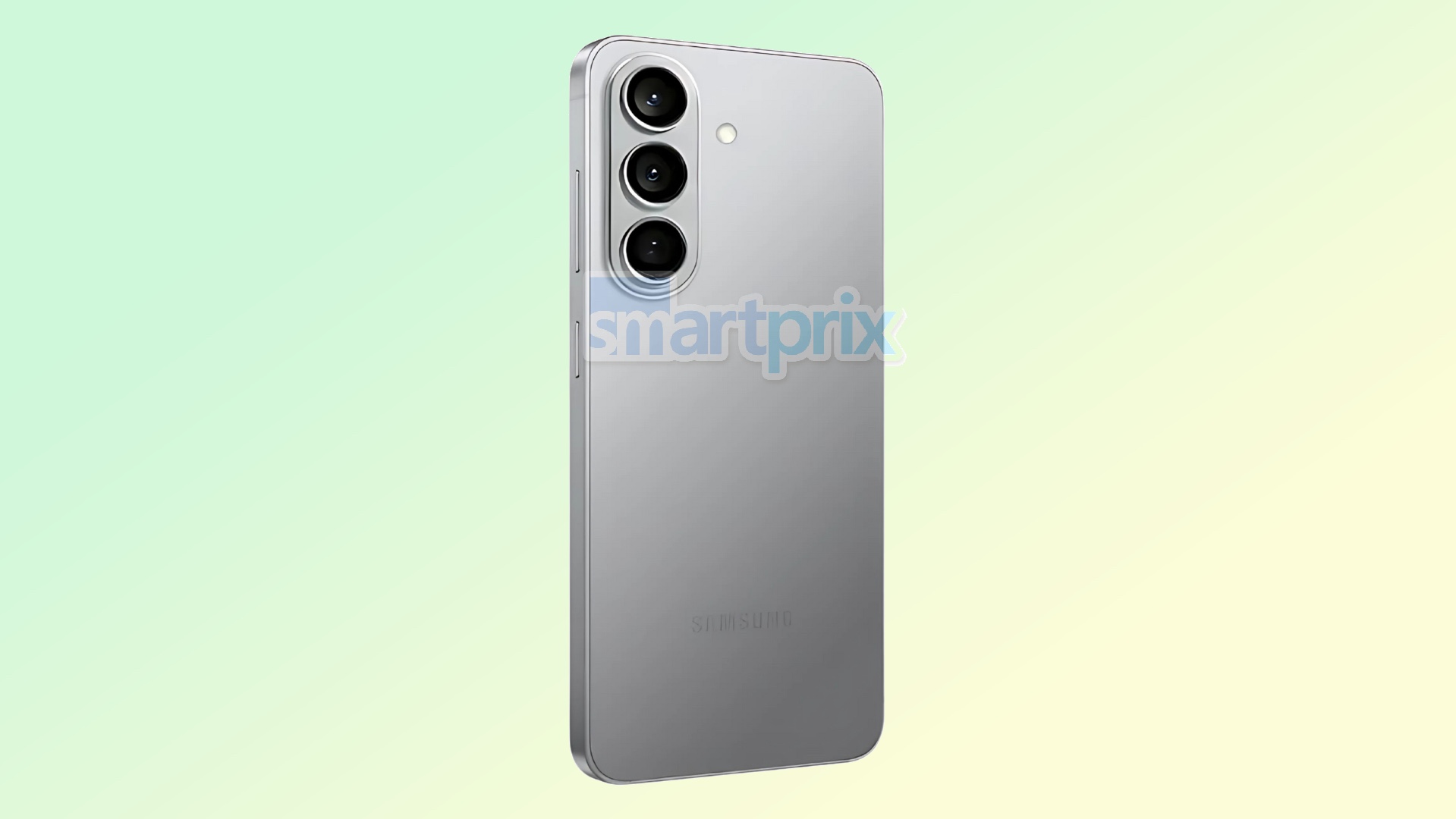
Samsung Unveils Galaxy S26 Series at Unpacked 2026: The Most Intuitive Galaxy AI Phone Yet
Samsung Electronics launched the Galaxy S26 series—including the S26, S26+, and S26 Ultra—on February 25, 2026, at its Galaxy Unpacked event, positioning it as the company's third-generation AI smartphone with unprecedented proactive and adaptive capabilities. Partnering closely with Google, the series integrates the latest Android AI features, including agentic AI from Gemini and Perplexity, upgraded hardware performance, and privacy-focused innovations, all designed to minimize user effort in daily tasks like booking rides, searching images, and managing calls. This rollout builds on Samsung's long-standing dominance in premium Android devices, aiming to redefine intuitive mobile interactions amid intensifying AI competition.
Key AI Upgrades and Hardware Advancements
The Galaxy S26 series emphasizes Galaxy AI that anticipates user needs, automating multi-step processes in the background while keeping users in control. Central to this is an upgraded Bixby, now a fully conversational device agent for seamless device interactions, alongside integrated AI agents like Google's Gemini and Perplexity. Users can trigger tasks with a voice prompt like "Hey Plex" or a single button, enabling actions such as booking a taxi via Gemini—simply ask, review details, and confirm—or handling complex errands across apps without manual switching.
Performance underpins these features: the S26 Ultra boasts a 19% CPU boost, 39% NPU improvement for always-on AI, and 24% GPU uplift, ensuring smooth multitasking, richer visuals, and fluid gameplay even under heavy loads. Thermal management and a customized chipset make it Samsung's slimmest Ultra yet. The display introduces the world's first built-in Privacy Display on a mobile phone, protecting content at the pixel level.
Search and productivity tools shine with enhancements to Circle to Search with Google, now featuring multi-object recognition to analyze multiple image elements simultaneously—identifying outfits from jackets to shoes in one query. Now Brief delivers proactive, personalized reminders for events like reservations or travel, based on context. Selfie cameras leverage a new AI image signal processor for natural skin tones and accurate lighting.
Privacy and security get AI boosts: Call Screening identifies unknown callers and summarizes their intent, while Privacy Alerts use machine learning to flag apps seeking unnecessary access to sensitive data like location or contacts.
Past Performance and Track Record
Samsung's Galaxy AI journey began with the S24 series in 2024 as its first-generation AI phones, introducing features like Live Translate and Generative Edit. The S25 in 2025 refined these with cross-app integrations and expanded language support, achieving strong market reception—Samsung shipped over 30 million S25 units in the first half of 2025, per industry trackers, bolstered by AI-driven sales. The S26 represents the third generation, with a 39% NPU leap over predecessors, directly addressing prior critiques of AI lag in multitasking. This evolution aligns with Samsung's decades of display and processor innovation, maintaining its 20-25% global smartphone market share.
Competitor Comparison
| Feature/Category | Galaxy S26 Series | Google Pixel 10 | Apple iPhone 17 (Rumored) |
|---|---|---|---|
| AI Agents | Bixby, Gemini, Perplexity (multi-step tasks, "Hey Plex") | Gemini beta for agentic tasks | Apple Intelligence (Siri enhancements, no third-party agents confirmed) |
| Performance Gains | 19% CPU, 39% NPU, 24% GPU | Tensor G5 (est. 25% NPU) | A19 Bionic (AI-focused, details pending) |
| Search/UI | Circle to Search multi-object | Similar Google integration | Visual Intelligence (single-object focus) |
| Privacy | Built-in Privacy Display, Alerts | Private Compute Core | App Tracking Transparency |
| Unique Edge | Slimmest Ultra, agent choice | Pure Android speed | Ecosystem lock-in |
The S26 edges competitors with agent choice (Gemini + Perplexity) and hardware privacy, while Pixel 10 shares Gemini beta but lacks Bixby depth. Apple's ecosystem remains closed, potentially limiting flexibility.
Why Now? Strategic Context
This launch coincides with Android 16's screen-automation capabilities, enabling "agentic AI" to eliminate app-switching friction— a direct response to user demands for "intent-first" experiences amid rising AI adoption. Google and Samsung's decade-long partnership accelerates this, countering OpenAI's mobile pushes and Apple's Intelligence delays. Market timing leverages post-holiday refresh cycles and AI hype, with Samsung facing pressure from China's Huawei (HarmonyOS AI) and slowing premium sales. Analysts note "why now" ties to maturing NPUs and beta-tested features like Gemini's "Bonobo" codename, proven in Pixels.
Skeptical Voices and Critiques
While praised for intuition, some experts question real-world reliability of agentic AI, citing beta status and potential privacy risks from background app access. Tom's Guide highlights excitement for task automation but warns of over-reliance, echoing past AI hype cycles where features underdelivered. Engadget notes Bixby's historical conversational gaps, though upgrades address this. No major Tier 1 critiques emerged yet, but beta limitations (e.g., select apps only) temper expectations.
Broader Implications
The Galaxy S26 cements Samsung's AI leadership, potentially boosting 2026 shipments by 10-15% via proactive features that "fade into the background." It signals a shift toward AI agents dominating mobile, challenging silos and fostering natural language control. For consumers, this means fewer steps for real-world tasks, but raises questions on data handling. Availability starts March 2026, priced from $799.


