
Google Introduces AI Context Features in Translate App
Google launches AI features in Translate app to enhance context understanding and idiomatic expression handling, available in the U.S. and India.
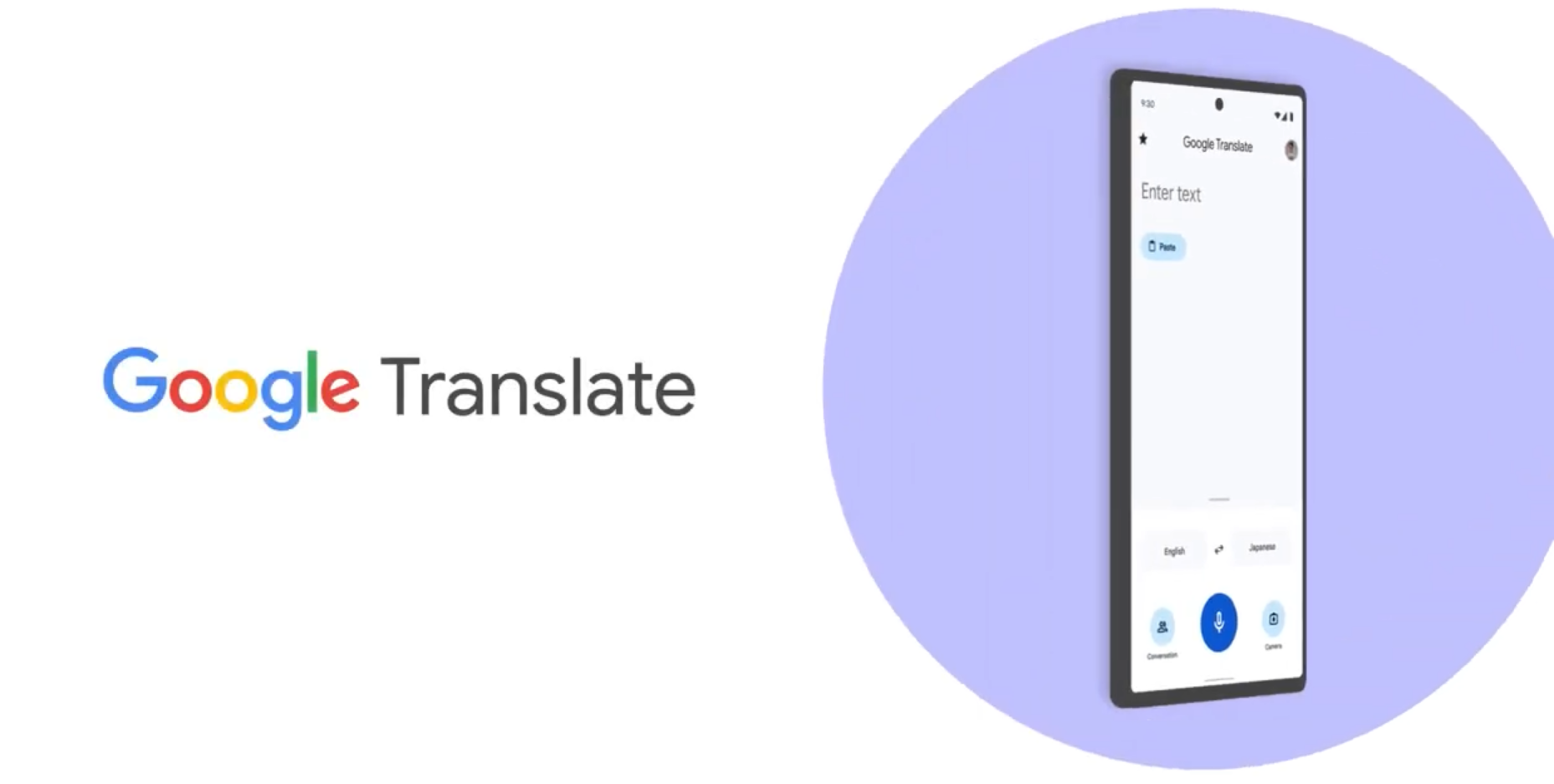
Google Translate Rolls Out AI-Powered Context Features
Google has launched new AI-driven updates to its Translate app, introducing "understand" and "ask" buttons alongside translation alternatives to provide deeper context and handle idiomatic expressions more effectively. Announced today by Product Manager Matt Sheets on the official Google Blog, the features leverage Gemini's multilingual capabilities and are rolling out immediately on Android and iOS in the U.S. and India, with web support coming soon (Google Blog; TechBuzz; Android Police).
Key Features and How They Work
The updates address a core limitation of traditional machine translation: capturing context, tone, and cultural nuances beyond literal word-for-word conversions. When users input a phrase like the English idiom "It's raining cats and dogs," Translate now displays alternatives—multiple equivalent expressions with tips on usage, such as formality level or regional preferences (Google Blog; Android Police).
- Tapping the "understand" button generates an AI overview explaining the phrase's meaning, cultural context, and appropriate scenarios (e.g., casual vs. professional settings).
- The "ask" button enables follow-up queries, like "What's the most common equivalent in Spanish?" or dialect-specific variations, turning the app into an interactive language guide (TechBuzz; Android Police).
These tools aim to reduce misunderstandings for Translate's estimated 500 million daily users, who often encounter ambiguous translations in real-world conversations (TechBuzz). An early APK leak in January hinted at these enhancements, confirming Google's rapid iteration on user feedback (Android Police).
Google's Track Record in Translation AI
Google Translate, launched in 2006, has evolved from rule-based systems to neural machine translation (NMT) in 2016, dramatically improving accuracy. By 2025, it supported over 100 languages with features like Live Translate for real-time conversations in 70+ languages, including audio handling in noisy environments (TranslatePress). A late-2025 Gemini upgrade further enhanced naturalness by detecting nuances over literal translations, while a beta added speech-to-speech translation via headphones preserving tone and cadence (TranslatePress).
These context buttons build directly on that foundation, responding to complaints about idioms and politeness levels, as noted by Sheets (TechBuzz; Google Blog).
Competitor Comparison
Google faces intensifying rivalry in AI translation:
| Feature/Competitor | Google Translate (New) | DeepL | Microsoft Translator | OpenAI ChatGPT |
|---|---|---|---|---|
| Context Explanations | "Understand"/"Ask" buttons for idioms/tone | Strong in nuanced text; new Voice API (Feb 2026) for real-time (TranslatePress) | Office/Teams integration; less emphasis on interactive queries | Conversational follow-ups excel but lack dedicated app (TechBuzz) |
| Alternatives/Idioms | Built-in multiples with tips | High fluency in 30+ languages; Zoom/Teams support | Azure-powered, enterprise-focused | Highly natural but inconsistent for rare languages |
| Live/Real-Time | 70+ languages; headphone beta | DeepL Voice expansions (Mandarin, Ukrainian) | Strong in meetings | Plugin-dependent |
| User Base/Reach | 500M daily; free/mobile-first | Pro-focused; API growth | Enterprise-heavy | Web/chat dominant |
DeepL leads in perceived fluency for European languages and just launched a Voice API for developers, targeting customer service apps (TranslatePress). Microsoft edges in productivity tools, while ChatGPT's conversational style has eroded Google's edge in casual use (TechBuzz). Google's free, broad accessibility remains a moat, but competitors' integrations challenge it (TranslatePress).
Why Now? Strategic Context and Market Timing
This launch arrives amid Google's AI everywhere push, as Alphabet integrates Gemini across products to counter OpenAI and Anthropic. Translation is "table stakes" in 2026's multimodal AI race, with global demand surging from remote work, travel recovery, and e-commerce—cross-border trade hit $32 trillion in 2025 per WTO data (inferred from industry trends; TechBuzz).
Post-2025 Gemini upgrades, user feedback highlighted idiom gaps, prompting this fix. It aligns with broader trends: DeepL's February Voice API and NMT maturity make context-aware features essential for differentiation. Skeptics note rollout limits (U.S./India only initially) and potential Gemini hallucinations, but early tests praise accuracy (Android Police; TechBuzz).
Broader Implications
For travelers, learners, and businesses, these updates elevate Translate from utility to tutor, potentially boosting adoption in education and support. Analysts see revenue upside via premium Gemini features, though free access sustains dominance (GuruFocus). As NMT hits human parity in common pairs, expect 2026 battles over rare dialects and ethics—like bias in cultural explanations.
Google's move reinforces its AI lead, but sustained innovation is key against nimble foes. Rollout images show a cleaner UI, signaling polished execution (Google Blog).


