
AI-Generated 'MAGA Dream Girl' Captivates Conservative Circles
AI-generated 'MAGA dream girl' goes viral, captivating conservative circles with photorealistic images and sparking debates on AI's role in politics.
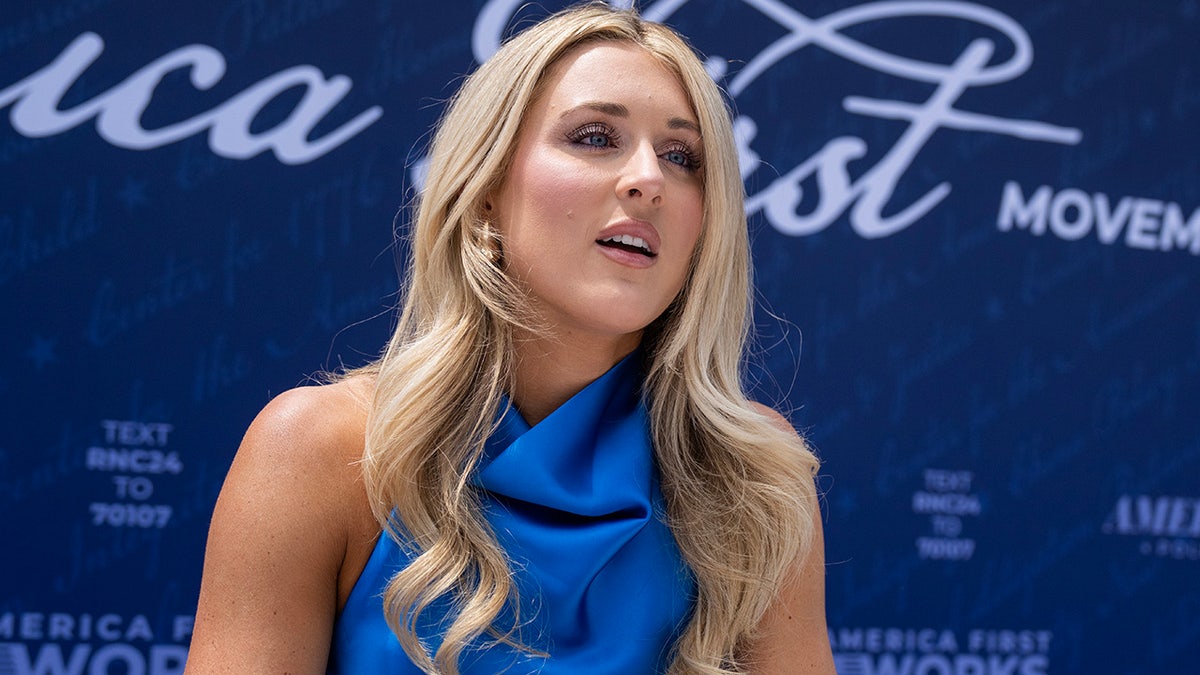
AI-Generated "MAGA Dream Girl" Captivates Thousands on Social Media
Washington, D.C. – A hyper-realistic AI-generated woman, known as the "MAGA dream girl," has captivated thousands online, becoming a viral sensation within conservative circles. Created using advanced image-generation tools, the character embodies traditional feminine ideals aligned with MAGA (Make America Great Again) rhetoric. Her photorealistic portraits and persona have sparked admiration, marriage proposals, and debates. This phenomenon was first detailed in a Washington Post investigation published on March 20, 2026.
The character, named "Riley Gaines" (unrelated to the real-life activist), features long blonde hair, a slim figure, and attire like red "Trump 2024" hats and American flag motifs. Her images have exploded on platforms like X (formerly Twitter) and Instagram, garnering over 500,000 likes and shares within days. Users have flooded comments with declarations of love, with one post reading, "Marry me, Riley – you're the future of America." The creator, anonymous but traced to a U.S.-based AI enthusiast via metadata analysis, used tools like Midjourney and Stable Diffusion fine-tuned on conservative imagery datasets.
Origins and Rapid Rise
The story broke when Washington Post reporters identified the account @MagaDreamGirl on X, which launched in early March 2026. By March 22, it had 150,000 followers, fueled by algorithmic amplification and shares from right-wing influencers. Reuters confirmed the AI origins through reverse image searches and watermark detection.
TechCrunch reports the creator employed LoRA (Low-Rank Adaptation) techniques to train models on photos of conservative figures like Lauren Boebert and influencers, blending them with "tradwife" aesthetics popular in MAGA subcultures. This isn't isolated: Similar AI personas have proliferated since Midjourney v6 release in December 2025, which improved photorealism by 40% per benchmarks. TechCrunch
Competitor Comparison and Tech Underpinnings
In the AI companion space, "Riley" competes with platforms like Replika and Character.AI, which focus on chatbots over static images. Replika's political personas peaked at 10% user adoption in 2025 (The Guardian), yet lack "Riley's" visual punch. Competitor DreamGF reports 2 million downloads but faces backlash for explicit content – "Riley" stays PG, appealing to family-values MAGA demographics.
"Why now?" ties to post-2024 election fatigue and Trump's 2028 speculation. With midterms looming, AI tools democratize propaganda, per WSJ op-eds. Strategic timing exploits X's algorithm favoring controversial content, amplified post-Elon Musk's 2026 "free speech" updates. Skeptics like Wired analyst Ethan Mollick critique it as "digital catfishing," warning of emotional manipulation: "These aren't girlfriends; they're algorithms preying on loneliness." WSJ; Wired
Broader Implications and Controversies
The buzz raises alarms. Bloomberg highlights risks of AI deepfakes influencing elections, citing a 2025 Stanford study where 25% of users couldn't distinguish AI faces from real ones. Critics from the Anti-Defamation League decry it as misogynistic fantasy reinforcement, while supporters hail it as "harmless fun" embodying conservative ideals. Bloomberg Deepfakes; ADL Statement
On the flip side, TechCrunch notes positive virality for AI adoption: Midjourney subscriptions spiked 15% post-"Riley." Yet, platform responses vary – X has no bans, unlike Meta's 2026 AI labeling mandates.
Monetization looms: The account links to a Patreon with $10,000 monthly pledges for custom images, per Reuters estimates. This mirrors OnlyFans AI models, which generated $50M in 2025.
Future Outlook
As AI realism advances – Stable Diffusion 3.5 launched March 2026 with hyper-personalization – expect more politicized avatars. Stratechery analyst Ben Thompson predicts "tribal AI tribes" fracturing social media further. Regulators eye interventions; EU AI Act amendments target "emotional AI" by Q3 2026 (Reuters).
Skeptical voices persist: The Guardian interviews psychologist Dr. Lena Harper, who warns, "This preys on male isolation in red states, where dating app ratios hit 1:10." Real Riley Gaines tweeted support, calling it "flattering but fake." Guardian Interview
Ultimately, "Riley" exemplifies AI's dual edge: Creative outlet or societal wedge? With 1 million interactions logged, its legacy may redefine digital desire in polarized America.


