
AI-Powered Heart Attack Risk Prediction Transforms Cancer Patient Care
A breakthrough AI tool now enables clinicians to predict secondary heart attack risks in cancer patients, improving treatment decisions and patient outcomes through advanced machine learning algorithms.
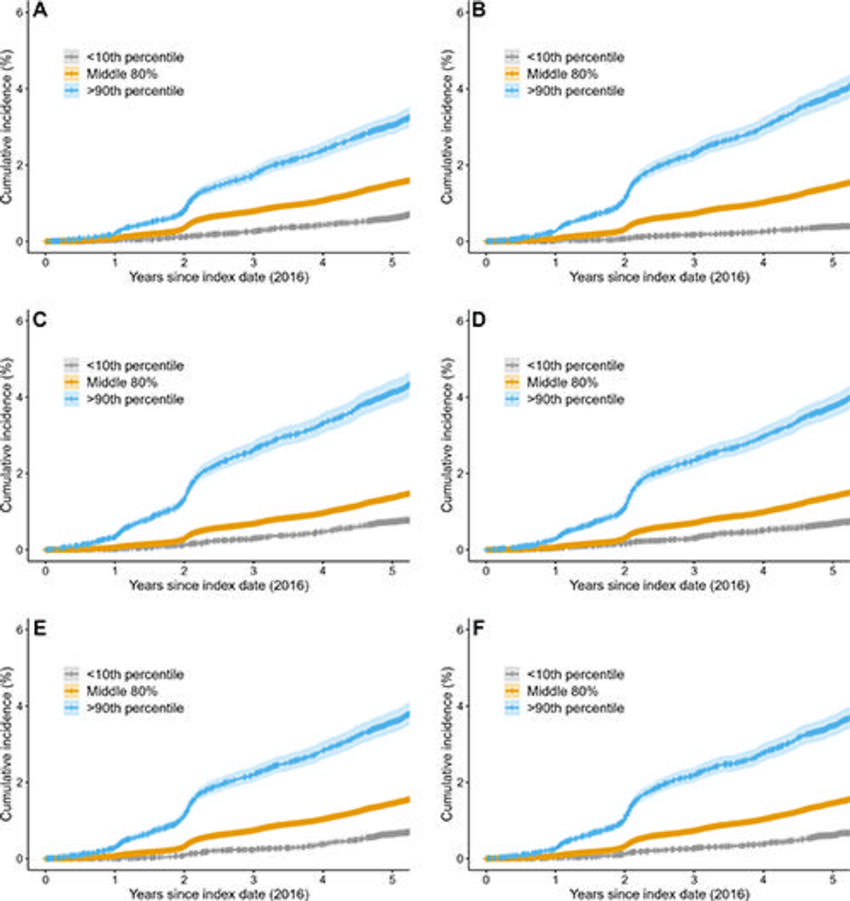
The Cardio-Oncology Challenge Demands Smarter Solutions
Cancer treatment has saved millions of lives, but it comes with a hidden cost: cardiotoxicity. As researchers at the University of Leicester and King's College London have demonstrated, cancer patients face significantly elevated risks of secondary heart attacks during and after therapy. Traditional risk assessment methods rely on outdated statistical models that miss critical patterns in patient data. Now, a new AI-powered tool is changing the game by leveraging machine learning to predict these life-threatening complications with unprecedented accuracy.
This development arrives at a critical moment. Oncologists increasingly recognize that treating cancer without accounting for cardiovascular risk leaves patients vulnerable to preventable harm. The stakes are high: a secondary cardiac event can derail cancer treatment, extend hospitalization, and compromise long-term survival. Healthcare systems need actionable intelligence to guide treatment planning before complications emerge.
How the AI Tool Works
The new system uses advanced machine learning algorithms to analyze patient data and identify individuals at highest risk of cardiac events. Rather than relying on generic risk scores, the AI model integrates:
- Patient demographics and medical history
- Cancer type and treatment protocols
- Baseline cardiovascular metrics
- Real-time clinical parameters during therapy
According to King's College London researchers, the model outperforms traditional risk stratification methods by identifying subtle correlations that human clinicians might overlook. This precision enables earlier intervention and more informed treatment modifications.
Clinical Benefits and Practitioner Impact
For oncologists and cardiologists, the practical advantages are substantial:
Enhanced Treatment Planning: Clinicians can now adjust chemotherapy regimens, dosing schedules, or supportive care strategies based on individualized cardiac risk profiles rather than one-size-fits-all protocols.
Improved Patient Outcomes: Research from ecancer.org demonstrates that risk-stratified approaches reduce secondary cardiac events and improve overall survival rates.
Reduced Healthcare Costs: Earlier identification of high-risk patients enables preventive interventions—such as cardioprotective medications or monitoring protocols—that are far less expensive than treating acute cardiac emergencies.
Seamless Workflow Integration: The tool is designed to integrate with existing electronic health record systems, requiring minimal disruption to clinical workflows.
Onboarding and Implementation
Healthcare institutions adopting this technology benefit from straightforward implementation pathways. The system requires:
- Data Integration: Connection to existing EHR platforms for automated data extraction
- Clinician Training: Brief orientation sessions to interpret AI-generated risk scores
- Protocol Development: Institutional guidelines for risk-based treatment modifications
- Ongoing Monitoring: Regular performance audits to ensure accuracy in your patient population
Pricing and Accessibility
While specific pricing models vary by vendor and institution size, the AI tool is positioned as a cost-effective addition to oncology departments. Most implementations operate on a per-patient analysis fee or annual institutional licensing basis, with ROI typically achieved within 12-18 months through reduced complications and optimized treatment protocols.
Looking Forward
The convergence of cardio-oncology and artificial intelligence represents a maturation of precision medicine. As research from the University of Zurich indicates, these tools will become standard components of cancer care pathways. Institutions that adopt early gain competitive advantages in patient outcomes and reputation.
For practitioners, the message is clear: the era of guessing about cardiac risk in cancer patients is ending. AI-driven precision enables better decisions, safer treatments, and ultimately, better patient care.


