
AI-Powered Threats Reshape Industrial Cybersecurity Defenses
AI is fundamentally transforming both attack vectors and defensive strategies in industrial cybersecurity. Discover how manufacturers are adapting to an evolving threat landscape where machine learning accelerates both threats and solutions.
The AI Arms Race in Industrial Cybersecurity
The industrial cybersecurity landscape is undergoing a fundamental shift. Adversaries are leveraging artificial intelligence to craft more sophisticated attacks against operational technology (OT) systems, while defenders simultaneously deploy AI-driven detection and response mechanisms. This dual transformation is forcing manufacturers and critical infrastructure operators to rethink their security posture entirely.
According to recent analysis, AI is accelerating the evolution of industrial cyber threats, fundamentally transforming the OT attack landscape and challenging traditional defense mechanisms. The stakes are particularly high for manufacturers, where cyber risks are growing as organizations adopt AI and cloud systems.
How AI Amplifies Attack Sophistication
Machine learning algorithms are enabling attackers to operate at scale and speed previously impossible with manual methods. Rather than relying on static exploit patterns, adversaries can now:
- Automate reconnaissance: AI tools scan industrial networks for vulnerabilities faster than human teams can patch them
- Adapt payloads in real-time: Machine learning models adjust attack strategies based on defensive responses
- Identify high-value targets: Algorithms analyze network traffic to pinpoint critical systems and decision-makers
- Bypass traditional signatures: AI-generated malware variants evade rule-based detection systems
The challenge is compounded by the fact that many industrial environments still rely on legacy systems designed before modern cybersecurity threats emerged. Security leaders are now prioritizing AI-enhanced defenses as a critical 2026 focus, recognizing that traditional perimeter-based security is insufficient.
The Defensive Counter: AI-Powered Detection
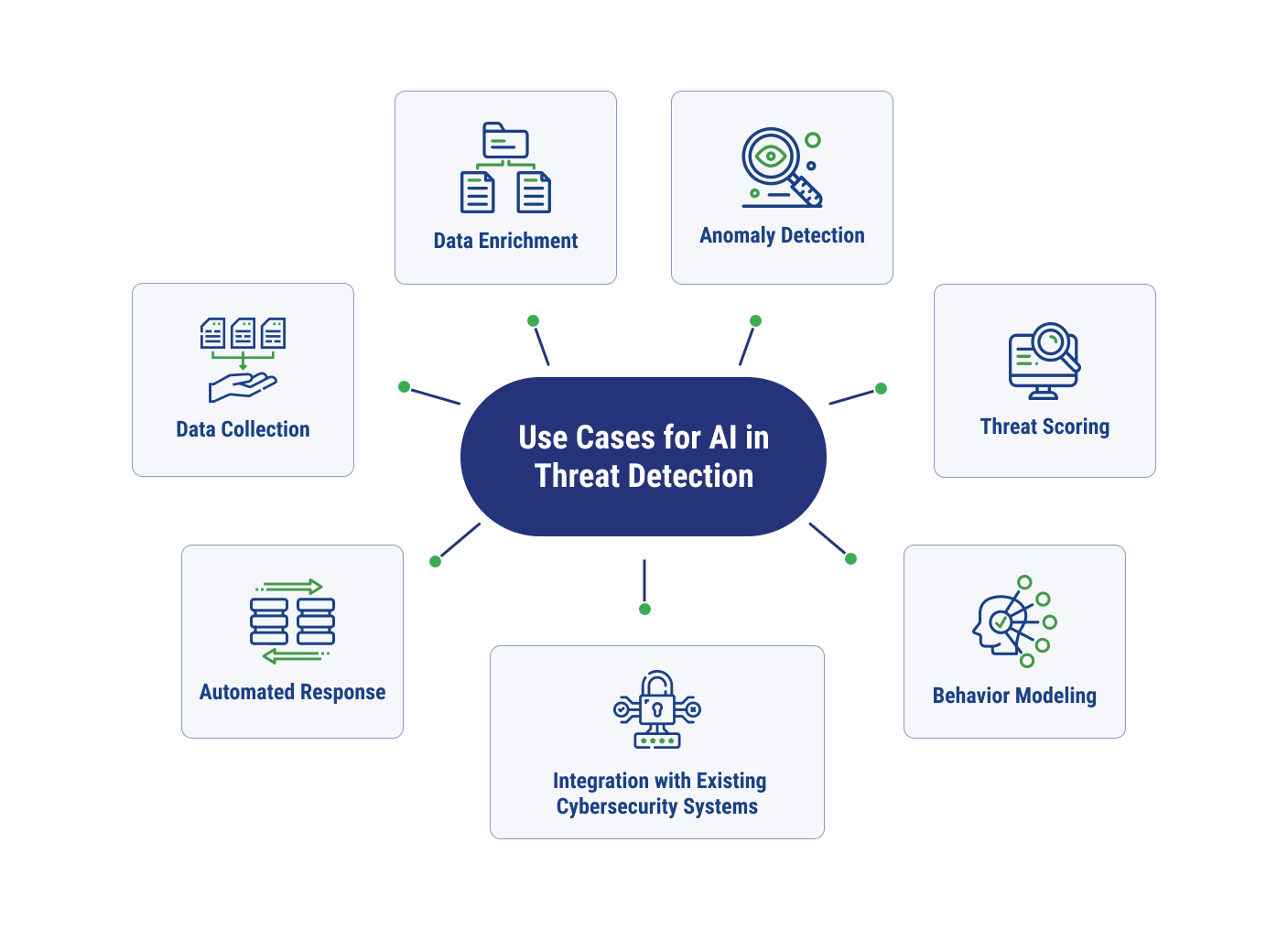
The cybersecurity industry is responding with equally sophisticated AI-driven solutions. Modern threat detection leverages machine learning to identify anomalies and zero-day attacks that signature-based systems would miss. These systems operate continuously, analyzing millions of data points to distinguish legitimate operational behavior from malicious activity.
Key defensive innovations include:
- Behavioral analytics: AI models learn normal network patterns and flag deviations in real-time
- Predictive threat hunting: Machine learning identifies vulnerabilities before attackers exploit them
- Automated response: AI systems can isolate compromised systems and contain threats without human intervention
- Cross-domain correlation: Advanced algorithms connect disparate security signals to reveal coordinated attacks
The Manufacturing Sector Under Pressure
Manufacturers face unique challenges. As organizations increasingly integrate AI and cloud infrastructure into their operations, they expand their attack surface while often lacking the security expertise to defend it. Production downtime from a successful cyberattack can cost millions, making industrial systems attractive targets.
The World Economic Forum's 2026 Cybersecurity Outlook emphasizes that organizations must move beyond reactive incident response toward proactive threat prevention powered by AI analytics.
Looking Ahead: The Convergence Challenge
The cybersecurity landscape is converging around AI as both the primary threat vector and the primary defense mechanism. Emerging cybersecurity startups are developing specialized solutions for AI-driven threat detection, while broader technology trends point toward AI as a foundational capability across all security operations.
Organizations that fail to implement AI-powered security measures risk falling behind the threat curve. The industrial sector, in particular, cannot afford to treat cybersecurity as a compliance checkbox—it must become a core operational capability, powered by the same machine learning technologies that attackers are already deploying.
The question is no longer whether to adopt AI in cybersecurity, but how quickly organizations can implement these defenses before adversaries gain an insurmountable advantage.


