
AI Scans Hubble Archive, Discovers 1,300 Cosmic Anomalies
Machine learning algorithms have identified over 1,300 unusual cosmic phenomena in 35 years of Hubble Space Telescope data, revealing hidden patterns that human astronomers might have missed.
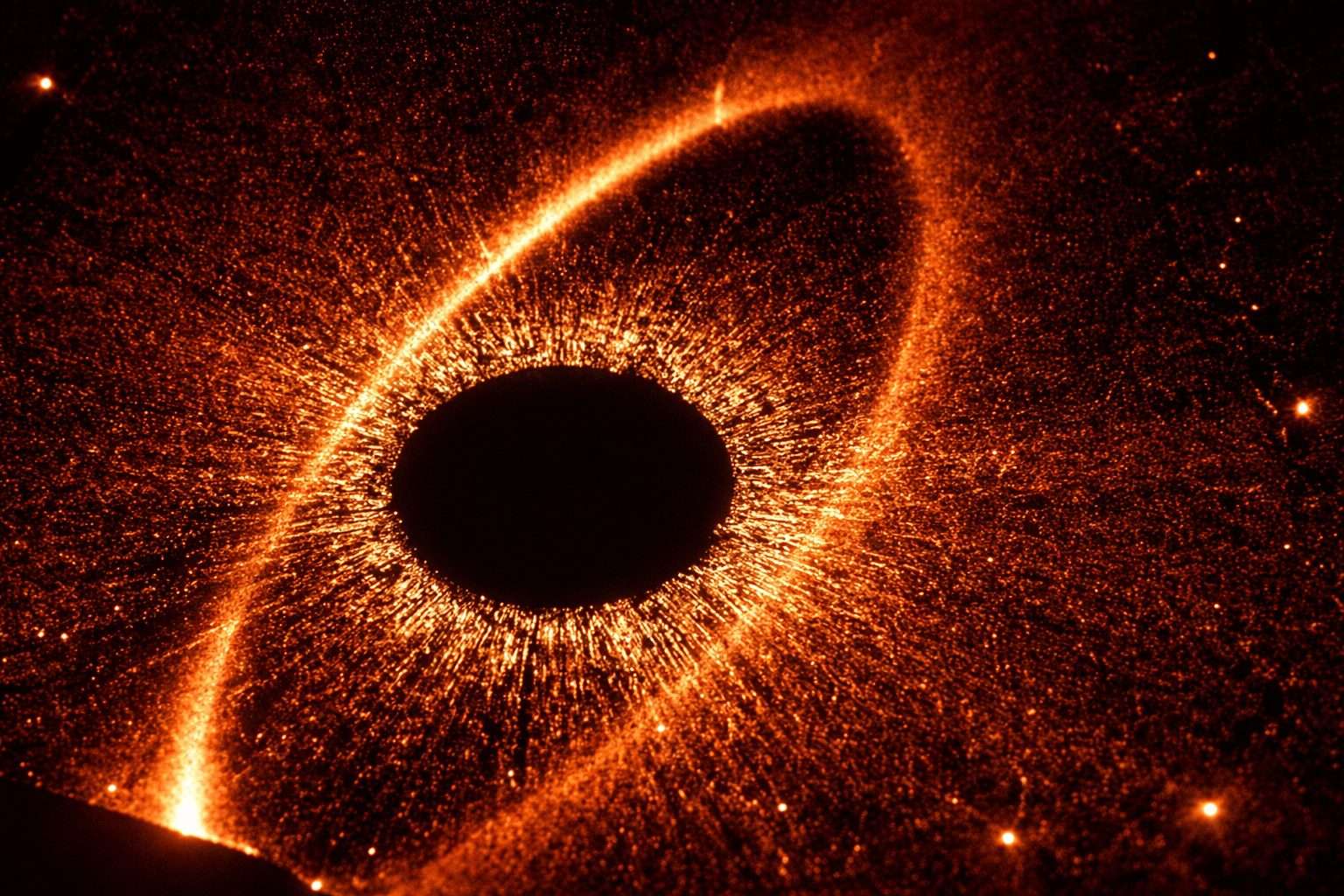
The AI Revolution in Astronomical Discovery
Can artificial intelligence uncover cosmic secrets hidden in plain sight? A groundbreaking analysis of the Hubble Space Telescope archive suggests the answer is a resounding yes. According to recent findings from NASA, machine learning algorithms have combed through 35 years of observational data to identify over 1,300 unusual cosmic phenomena—discoveries that might have eluded traditional human-led analysis.
The implications are profound. As astronomical datasets grow exponentially, the bottleneck increasingly shifts from data collection to data interpretation. This AI-driven approach demonstrates a new paradigm: automated systems working alongside human expertise to unlock insights from archives that have been scrutinized for decades.
How AnomalyMatch Works
The breakthrough relies on a specialized AI tool called AnomalyMatch, which according to Space Telescope Science Institute, systematically flags objects and phenomena that deviate from expected patterns in Hubble imagery.
The methodology involves:
- Pattern Recognition: The algorithm learns what "normal" cosmic objects look like across multiple wavelengths and morphologies
- Anomaly Flagging: It identifies objects that fall outside established parameters—unusual galaxy shapes, unexpected spectral signatures, or rare stellar configurations
- Human Validation: Astronomers then review flagged candidates to confirm genuine discoveries versus false positives
EarthSky's coverage notes that this hybrid approach combines computational speed with scientific judgment, creating a more robust discovery pipeline than either method alone.
What These Anomalies Reveal
The 1,300+ identified phenomena span diverse categories: unusual galaxy morphologies, rare stellar objects, and potentially new classes of cosmic events. Some discoveries may represent previously unknown types of astronomical objects, while others could shed light on extreme physics and the universe's structural evolution.
According to ground.news reporting, the sheer volume of anomalies suggests that traditional visual inspection has inherent limitations—not due to lack of effort, but simply because human attention cannot scale to process millions of images with equal scrutiny.
Broader Implications for Astronomy
This discovery marks a turning point in how observatories leverage their archives. The Hubble Space Telescope has generated one of humanity's most valuable scientific datasets, yet much of it has been analyzed within narrow research contexts. Applying AI retrospectively unlocks new value from existing observations.
The success of AnomalyMatch has implications for future missions. As the James Webb Space Telescope, the Vera Rubin Observatory, and other next-generation facilities accumulate data, similar AI tools could accelerate the pace of discovery. Rather than waiting years for peer-reviewed papers to surface specific findings, automated systems could flag candidates for rapid follow-up observation.
The Human-AI Partnership
Importantly, this development doesn't diminish the role of human astronomers—it amplifies it. According to reporting from entechonline, the real value emerges when computational efficiency meets scientific expertise. Researchers can now focus their analytical efforts on the most promising anomalies rather than conducting exhaustive manual searches.
The 1,300 anomalies represent a starting point. Each flagged object requires follow-up investigation: spectroscopic analysis, multi-wavelength observations, and theoretical modeling. This work will occupy astronomers for years, potentially yielding discoveries that reshape our understanding of galaxy formation, stellar evolution, and the cosmos itself.
As AI tools become more sophisticated, the question shifts from "Can machines find anomalies?" to "What will we discover when we systematically apply these tools to all our astronomical data?"


