AI's Quiet Revolution: How Meta Is Redefining Workforce Productivity
Meta's latest AI tools are enabling individual engineers to accomplish work that previously required entire teams, signaling a fundamental shift in how companies approach staffing and productivity in the age of artificial intelligence.
The Productivity Paradox
The tech industry faces a mounting tension: companies are simultaneously investing billions in AI while grappling with workforce reductions. Meta's latest claims about AI-powered productivity suggest the company believes it has found a resolution—one where individual employees, armed with the right AI tools, can match the output of entire teams.
This isn't merely a marketing talking point. According to Meta, AI tools are now enabling single employees to perform tasks typically handled by multiple team members, fundamentally altering the economics of software development and knowledge work.
What's Actually Happening
The shift centers on AI agents and assistive tools that handle routine, time-consuming tasks. Rather than replacing workers outright, these systems augment individual capabilities:
- Code generation and debugging: AI tools can write, review, and optimize code at scale, reducing the need for multiple engineers
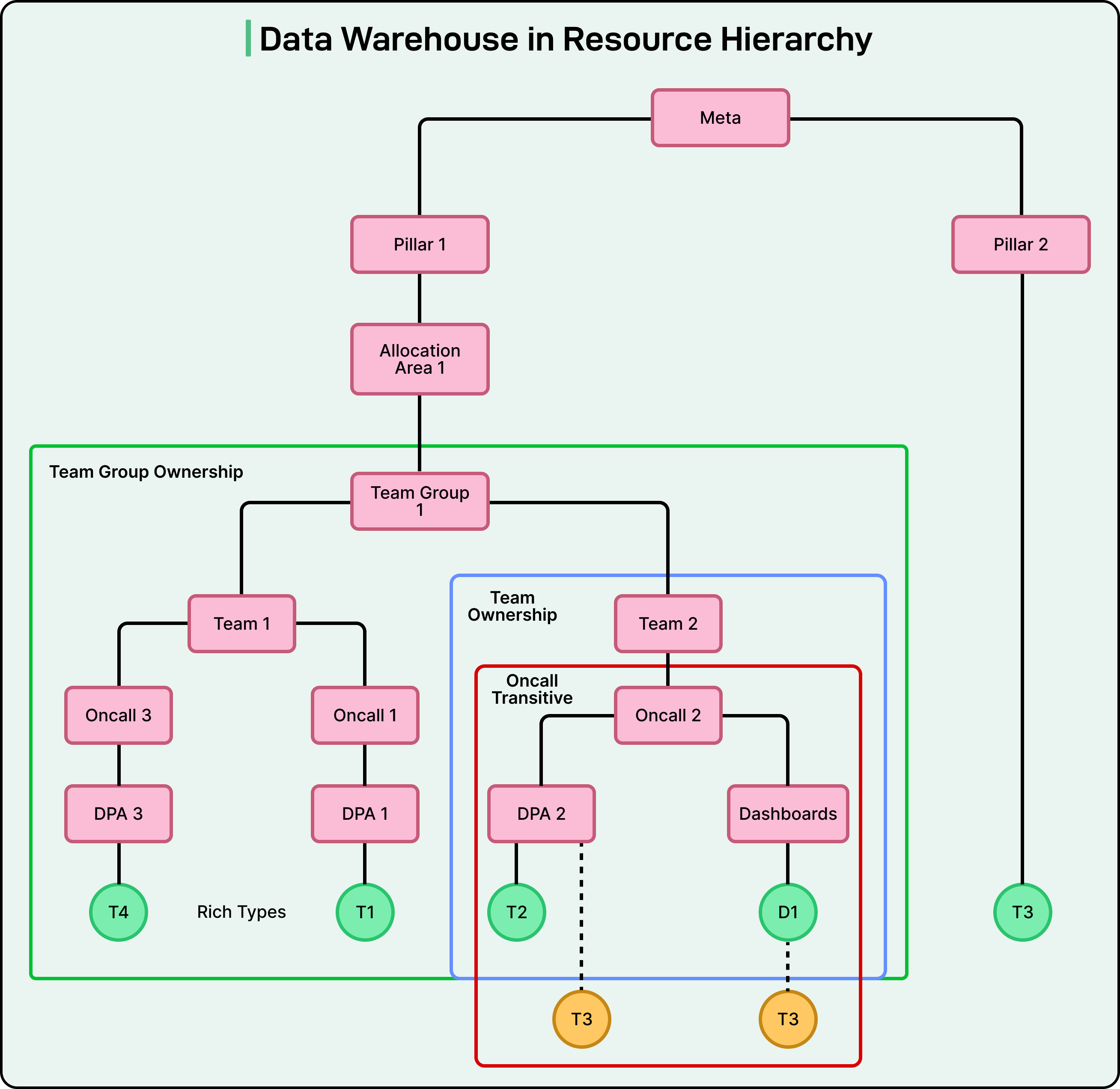
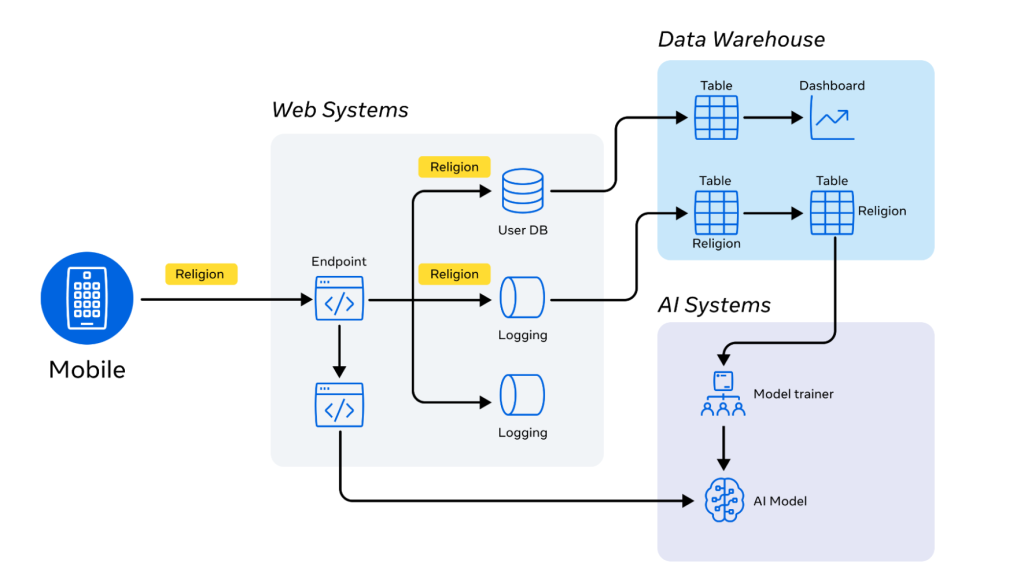
- Data access and analysis: Meta's AI agents are being deployed for data warehouse access and security, allowing single analysts to query and interpret datasets that once required dedicated teams
- Documentation and knowledge management: Automated systems can maintain and update technical documentation, reducing administrative overhead
The practical implication is stark: fewer people can accomplish more work in less time.
The Broader Industry Context
Meta's positioning comes as the entire tech sector wrestles with AI's labor implications. Amazon and other major firms are already experiencing AI-driven workforce reductions, with companies viewing productivity gains as justification for headcount cuts.
This creates a critical distinction: Meta is framing AI as a multiplier for existing talent rather than a replacement mechanism. Yet the outcome—fewer employees doing more work—remains economically identical to traditional layoffs, even if the narrative differs.
Technical Realities vs. Marketing Claims
The technical achievements are genuine. Modern AI systems excel at:
- Pattern recognition across large codebases
- Automating repetitive engineering tasks
- Accelerating decision-making through rapid data synthesis
However, important caveats exist:
- Complexity ceiling: AI tools perform best on well-defined, routine tasks. Novel problems and architectural decisions still require human judgment
- Quality trade-offs: Speed gains sometimes come at the cost of thoroughness or innovation
- Team dynamics: The "one person doing the work of many" framing overlooks collaboration, mentorship, and institutional knowledge transfer that teams provide
What This Means for Workers
The implications extend beyond Meta's walls. If individual productivity truly multiplies through AI augmentation, the competitive pressure on other tech companies intensifies. Organizations that don't adopt similar tools risk falling behind in both speed and cost efficiency.
For workers, the message is mixed: AI tools can enhance career prospects for those who master them, but they also create pressure to do more with less support. The "one engineer, many tasks" model may be exhilarating for some and unsustainable for others.
The Verdict
Meta's claims about AI-enabled productivity are neither revolutionary nor implausible—they're an extension of automation trends that have defined technology for decades. What's noteworthy is the scale and speed at which these capabilities are consolidating around individual workers.
Whether this represents genuine progress or merely a more efficient path to workforce reduction depends largely on how companies choose to deploy these tools and whether they reinvest productivity gains into new capabilities or simply reduce headcount.