
Alibaba Reduces Workforce by 34% in 2025 Amid AI Shift
Alibaba reduces workforce by 34% in 2025, focusing on AI and cloud computing while exiting retail operations.
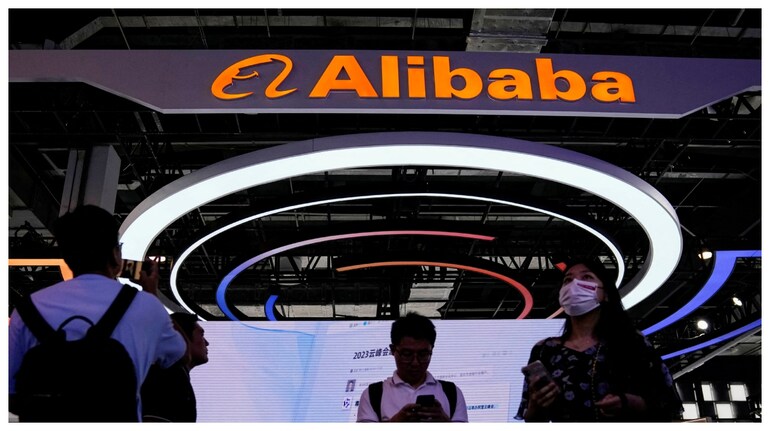
Alibaba Reduces Workforce by 34% in 2025 Amid AI Shift
Alibaba Group Holding Ltd. has announced a significant 34% reduction in its workforce for 2025, decreasing from 194,320 employees at the end of 2024 to 128,197 by year-end. This move is part of the company's strategic pivot towards artificial intelligence (AI) and cloud computing, while divesting from unprofitable retail operations. The announcement was made during the company's fiscal Q4 2025 earnings report on March 19, 2026, which also revealed a 67% profit decline for the quarter ending December 31, 2025, and a revenue shortfall that led to a 6% drop in its Hong Kong-listed shares the following day (Mexc, Intellectia).
The workforce cuts, amounting to over 66,000 jobs, were largely due to Alibaba's sale of its stakes in offline retail chains Sun Art Retail Group and Intime at the end of 2024, which resulted in the elimination of numerous brick-and-mortar positions (Mexc). This reduction follows an earlier 11% year-over-year headcount decrease by December 2024, highlighting a broader restructuring effort under CEO Eddie Wu to streamline operations and focus on high-growth tech sectors.
Financial Fallout and Market Reaction
Alibaba's earnings report depicted a challenging financial landscape, with Q4 adjusted profit plummeting 67%. Despite revenue growth in key areas, consolidated adjusted EBITDA and earnings per American Depositary Share (ADS) fell sharply (Mexc). E-commerce platforms Taobao and Tmall experienced a modest 6% year-over-year growth in Q4, indicating stabilization but ongoing margin pressure due to intense domestic competition.
Investor sentiment was negatively impacted, with Hong Kong shares (9988.HK) declining 6% on March 20, 2026, reflecting concerns over profit margins and the risks associated with Alibaba's transformation (Intellectia).
Strategic Pivot to AI and Cloud
Alibaba's strategic shift aligns with a tech-first transformation, focusing heavily on AI to counter e-commerce slowdowns and geopolitical challenges. CEO Eddie Wu has set ambitious goals to scale cloud and AI revenue beyond $100 billion annually within five years, building a comprehensive ecosystem from semiconductors to AI models (Intellectia). This includes launching the Wukong agentic AI service and increasing cloud prices by up to 34% to enhance margins and fund AI infrastructure.
China's tech sector is facing intensified U.S. export controls on advanced chips, prompting domestic companies like Alibaba to prioritize self-reliant AI capabilities. E-commerce growth has plateaued post-pandemic, with competitors like PDD Holdings (Temu) and JD.com gaining market share through aggressive pricing strategies (IndexBox). Meanwhile, Alibaba Cloud reported a 36% year-over-year revenue increase in Q4 2025, driven by triple-digit AI workload growth for ten consecutive quarters.
Competitor Comparison
| Company | Workforce Change (Recent) | Cloud/AI Growth | Key Challenge |
|---|---|---|---|
| Alibaba | -34% (2025) | Cloud +36% YoY; AI triple-digit workloads | E-commerce margins, U.S. chip curbs |
| Tencent | -10% (2024-2025 est.) | Hunyuan AI model; cloud steady | Gaming regs, AI chip access |
| Baidu | Stable; AI focus | Ernie Bot leading China AI | Search decline |
| AWS | +2% (global) | 17% revenue growth; $100B+ AI capex | Global dominance, but China-limited |
| PDD Holdings | +20% (expansion) | Minimal cloud; quick-commerce focus | Profitability in low-margin Temu |
Implications for Alibaba and Beyond
This overhaul positions Alibaba for an AI-driven future, though execution risks remain in a geopolitically tense environment. Success will depend on the adoption of Wukong and cloud dominance. For workers, it highlights the 2025 tech disruption wave, emphasizing the need for upskilling in AI-related fields. Globally, it underscores China's push for AI sovereignty, potentially reshaping U.S.-China tech rivalry.
(Image search note: No specific illustrations of "Alibaba workforce shrinks 34%" found beyond generic charts in earnings decks; key visuals include Alibaba Cloud product shots from official site and Wukong AI demo screenshots in reports.)


