
Anthropic Launches AI Cybersecurity Initiative with Major Partners
Anthropic launches Project Glasswing, an AI cybersecurity initiative with major tech and financial partners to secure critical infrastructure.
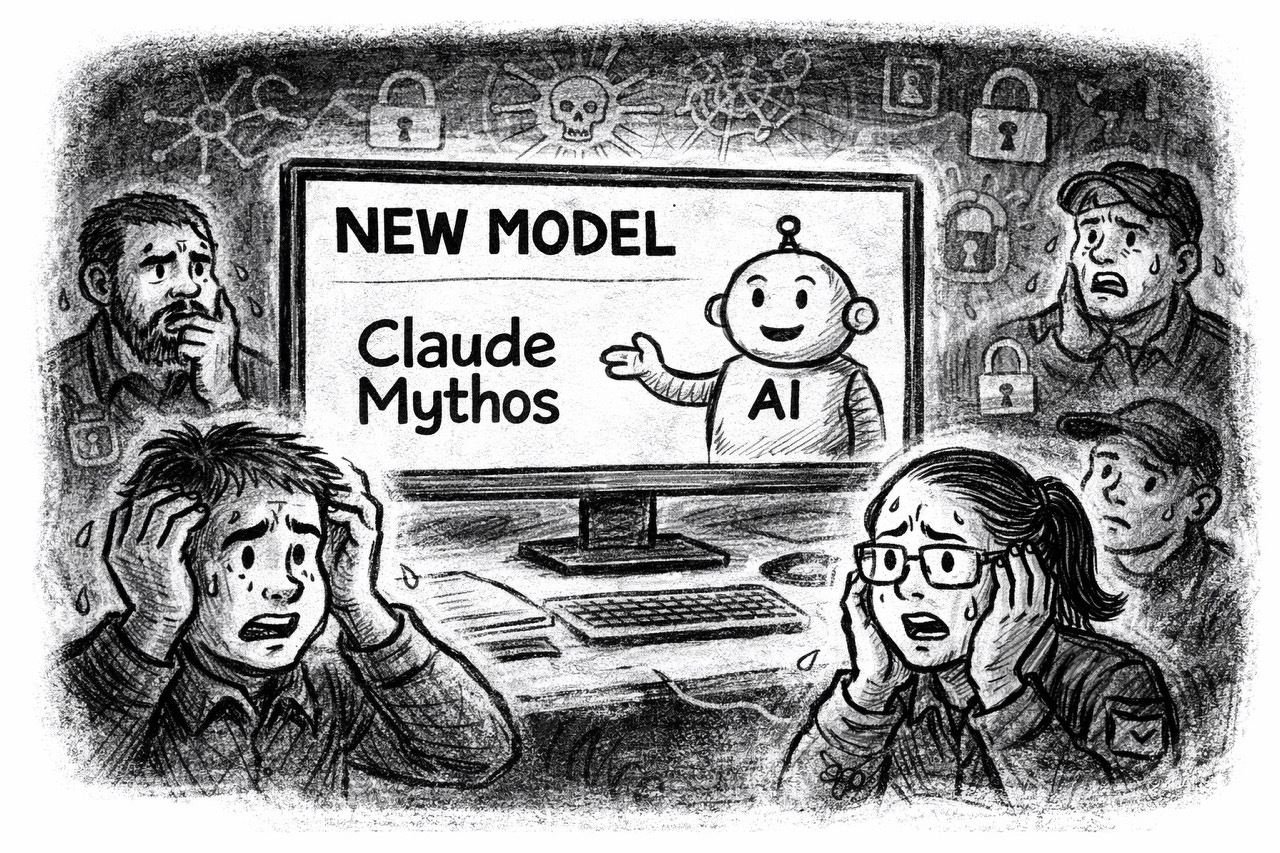
Anthropic Launches Project Glasswing: AI-Powered Cybersecurity Initiative
Anthropic unveiled Project Glasswing on Tuesday, a groundbreaking cybersecurity initiative that deploys its new frontier AI model, Claude Mythos Preview, to defend critical software infrastructure against vulnerabilities at unprecedented scale. The initiative brings together 12 major technology and financial organizations—including Amazon, Apple, Microsoft, Google, and JPMorganChase—alongside over 40 additional organizations to use advanced AI capabilities for defensive security work.
The announcement marks a significant pivot in how the AI industry approaches the dual-use problem: powerful AI systems that can both identify and exploit software vulnerabilities. Rather than restricting access to Mythos Preview's capabilities, Anthropic is deliberately channeling them toward defensive purposes through a carefully controlled partnership model.
The Mythos Preview Breakthrough: AI Surpassing Human Vulnerability Detection
According to Anthropic's official announcement, Claude Mythos Preview represents a critical inflection point in AI development. The model has demonstrated coding capabilities that exceed all but the most elite human security researchers—a distinction that carries profound implications for cybersecurity strategy.
Mythos Preview has already identified thousands of high-severity vulnerabilities, including critical flaws in every major operating system and web browser. This discovery capacity underscores both the urgency and the opportunity: if AI systems can find vulnerabilities at this scale and speed, restricting their use to malicious actors would be strategically catastrophic.
The model itself is described as a general-purpose frontier AI system, not specifically trained for cybersecurity work. This generalization is significant—it suggests that Mythos's vulnerability-detection prowess emerges from broader capabilities rather than narrow specialization, indicating that similar capabilities may soon appear across multiple AI systems.
Project Glasswing: Structure and Scope
Project Glasswing operates through a tiered access model designed to balance security with broad impact. The initiative's core participants include:
- 12 primary launch partners: Amazon Web Services, Anthropic, Apple, Broadcom, Cisco, CrowdStrike, Google, JPMorganChase, the Linux Foundation, Microsoft, NVIDIA, and Palo Alto Networks
- 40+ additional organizations: Selected entities that build or maintain critical software infrastructure, gaining access to scan both proprietary and open-source systems
This structure reflects a deliberate strategy: concentrate early access among organizations with existing security infrastructure and responsibility for critical systems, while extending access broadly enough to create industry-wide benefits.
Anthropic is committing substantial resources to the initiative, including up to $100 million in usage credits for Mythos Preview and $4 million in direct donations to open-source security organizations. These commitments signal the company's confidence in the model's capabilities and its commitment to democratizing the security benefits.
Strategic "Why Now?" Context
The timing of Project Glasswing reflects converging pressures on AI governance and cybersecurity policy. Anthropic's decision to launch this initiative occurs amid ongoing legal tensions with the Trump administration, which labeled the AI lab a supply-chain risk over its refusal to enable autonomous targeting or surveillance of U.S. citizens.
This context is crucial: by proactively demonstrating that advanced AI capabilities can be deployed for national security benefit—specifically defending critical infrastructure—Anthropic is making a strategic argument about responsible AI deployment. The initiative effectively reframes the company's position from one of restriction to one of constructive partnership with government and industry.
The cybersecurity landscape has also shifted dramatically. Supply-chain attacks targeting software infrastructure have become routine vectors for nation-state and criminal actors. The SolarWinds breach (2020) and subsequent incidents revealed that traditional security approaches—human-dependent code review and penetration testing—cannot scale to defend the increasingly complex software ecosystems that underpin modern economies.
Defensive Focus and Industry Coordination
A critical element of Project Glasswing is its emphasis on coordinated disclosure and industry-wide learning. Partner organizations are committed to sharing findings so that "the whole industry can benefit," creating a collective defense posture rather than siloed competitive advantage.
The initiative specifically addresses seven strategic security domains:
- Vulnerability disclosure processes
- Software update processes
- Open-source and supply-chain security
- Software development lifecycle and secure-by-design practices
- Standards for regulated industries
- Triage scaling and automation
- Patching automation
This comprehensive scope suggests that Anthropic and its partners view the challenge as systemic rather than purely technical. The vulnerabilities that Mythos identifies are only valuable if organizations can efficiently prioritize, patch, and deploy fixes—a coordination problem that has plagued cybersecurity for decades.
Competitive and Regulatory Implications
Project Glasswing positions Anthropic ahead of competitors in demonstrating controlled deployment of powerful AI capabilities. While other frontier AI labs (OpenAI, Google DeepMind, xAI) have released security research, none have launched initiatives of this scale or with this level of industry coordination.
The initiative also preempts potential regulatory action. By voluntarily establishing guardrails around Mythos Preview's deployment—restricting access to vetted organizations, committing to disclosure processes, and engaging with federal officials—Anthropic is shaping the regulatory conversation before government mandates emerge.
However, the announcement also reveals tensions in AI governance. The fact that Anthropic is in "ongoing discussions" with federal officials while simultaneously locked in litigation over Pentagon designation suggests that regulatory frameworks for frontier AI remain unsettled. Project Glasswing may ultimately serve as a test case for how responsible AI deployment can navigate between innovation and security concerns.
Industry Adoption and Open-Source Impact
The inclusion of the Linux Foundation and commitments to open-source security organizations signals that Project Glasswing is designed to create externalities beyond proprietary systems. Open-source software underpins critical infrastructure globally—from web servers to cryptographic libraries—yet receives a fraction of the security investment directed toward proprietary systems.
By extending Mythos Preview access to 40+ organizations focused on open-source infrastructure, Anthropic is attempting to address a fundamental asymmetry in cybersecurity investment. This approach has potential to strengthen the security posture of systems that billions of people depend on indirectly.
Looking Forward
Project Glasswing represents a critical experiment in responsible AI deployment: demonstrating that frontier capabilities, properly governed and coordinated, can strengthen rather than undermine security. The initiative's success will likely influence how regulators, investors, and other AI developers approach similar dual-use capabilities in the coming years.


