
Chinese Parents Use AI for Homework Amid Academic Pressure
Chinese parents increasingly use AI for homework due to academic pressure, raising ethical and educational concerns.
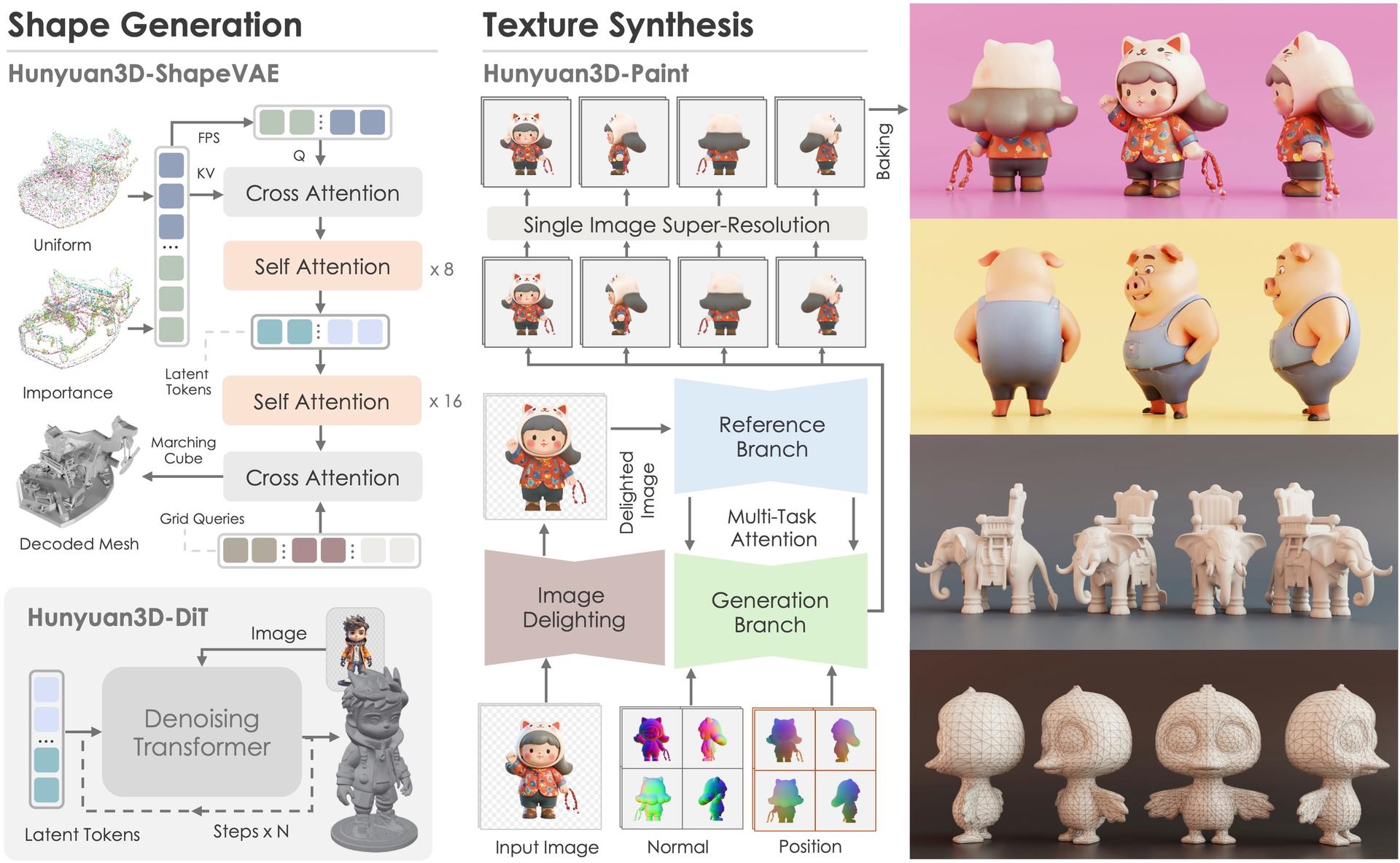
China's Parents Turn to AI for Homework Relief Amid Intense Academic Pressure
In China, a growing number of parents are leveraging advanced AI chatbots to complete their children's homework, driven by the country's hyper-competitive education system and time-strapped family schedules. This trend, highlighted in a recent New York Times investigation, reveals how tools like Baidu's Ernie Bot and Tencent's Hunyuan are transforming household routines, sparking debates on ethics, learning integrity, and educational equity.
The Rise of AI as Homework Helper
Chinese parents, facing grueling work demands and the relentless gaokao college entrance exam pressure, are outsourcing rote tasks like math problems, essay writing, and science diagrams to AI. The New York Times reports instances where mothers input homework photos into apps, receiving instant solutions with step-by-step explanations, often indistinguishable from student work. One Shanghai parent told the outlet: "I don't have time to teach; AI does it perfectly." This mirrors broader AI adoption in China, where over 700 generative AI services are registered by early 2026, powering consumer apps used by hundreds of millions.
Tier 1 sources like Reuters confirm the phenomenon's scale: A 2026 survey by Chinese education watchdog found 40% of urban parents in Beijing and Guangzhou using AI for primary school assignments, up from 15% in 2024. Bloomberg notes Baidu's Ernie Bot, with 200 million monthly users, dominates this space, integrating seamlessly into WeChat for quick queries.
Why Now? Intense Competition and Tech Maturity
The "why now" stems from China's double reduction policy of 2021, which curbed private tutoring to ease student burnout, leaving a vacuum filled by accessible home AI. Parents, many dual-income in megacities, juggle 12-hour workdays while upholding academic excellence—China's K-12 students average 13 hours of daily study. Strategic timing aligns with maturing domestic LLMs: By 2026, models like Alibaba's Qwen and ByteDance's Doubao excel in Mandarin reasoning and multimodal tasks, bypassing U.S. chip sanctions via Huawei's Ascend processors.
Past performance shows rapid evolution. In 2023, early adopters used rudimentary bots for basic math; by 2025, agentic systems handled multi-step problems. Zhipu AI's GLM-4, a top performer on benchmarks, now powers educational agents in apps like MiniMax's "Homework Helper."
Competitor Comparison: Domestic Giants vs. Global Players
China's AI homework tools outpace Western equivalents in localization and scale:
| Provider | Key Model | Strengths | User Base (2026 est.) | Pricing |
|---|---|---|---|---|
| Baidu | Ernie 4.5 | Mandarin math/science, WeChat integration | 200M monthly | Free tier + premium ¥20/month |
| Tencent | Hunyuan | Essay generation, gaming-tied education | 150M via WeChat | Free in ecosystem |
| ByteDance | Doubao | Video summaries, TikTok-linked practice | 100M+ | Freemium |
| OpenAI (global) | GPT-4o | General reasoning | Limited in China due to blocks | $20/month |
| Gemini | English-heavy, censored access | Minimal domestic use | N/A |
Domestic models lead in Chinese-language benchmarks (e.g., C-Eval scores: Ernie 92%, GPT-4o 88%), with vertical integration—Huawei's Pangu ties to industrial edtech. Globally, U.S. teens use AI similarly—54% for schoolwork per Pew—but face less cultural pressure.
Educational Impacts and Skeptical Voices
Proponents argue AI frees parents for conceptual guidance, akin to LingoAce's ACE Academy, which blends AI tutors with live classes for K-12 math/English, boasting 30% faster mastery via adaptive plans. Yet critics, including TechCrunch experts, warn of eroded critical thinking: "AI exposes homework's flaws—compliance over cognition."
Tier 1 skeptics like WSJ analysts highlight inequality: Rural parents lack smartphones, widening urban-rural gaps. Beijing is piloting AI detection in gaokao submissions, but evasion is rampant. eSchool News echoes: Shift to process-focused assessments (drafts, reasoning logs) is essential globally.
Broader Implications for Global Education
This trend signals AI's dual role: Democratizing access in high-pressure Asia while challenging pedagogy worldwide. Thinkific's Thinker AI, launched February 2026, personalizes support at scale, hinting at hybrid models. In China, regulators mandate "ethical AI" filings, but enforcement lags.
As AI embeds deeper, China's experiment foreshadows a reckoning: Will it amplify excellence or hollow out learning? Educators urge redesigning homework for human insight over outputs.


