
CZ Warns China's AI Combat Robots Pose Existential Risk Beyond Nuclear Weapons
Binance CEO CZ raises alarm over China's autonomous military robotics, claiming they represent a greater threat than nuclear weapons. The warning reflects growing tensions over AI weaponization in the U.S.-China tech race.
The AI Arms Race Heats Up
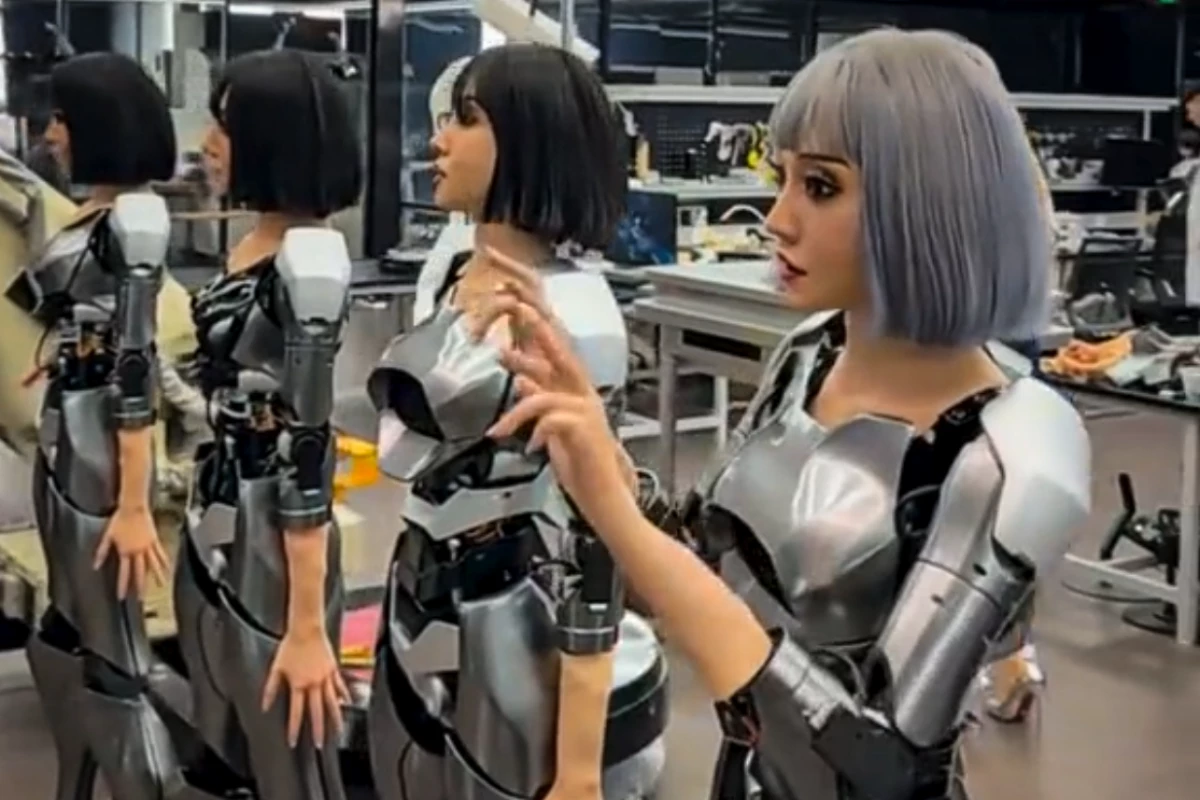
The geopolitical competition for artificial intelligence dominance just entered dangerous new territory. Binance CEO Changpeng Zhao (CZ) has publicly expressed grave concerns about China's development of AI combat robots, arguing they pose a more existential threat than nuclear weapons. This stark warning underscores the escalating stakes in the U.S.-China technological rivalry and raises critical questions about how autonomous military systems could reshape global security.
CZ's comments emerge amid a broader wave of concern about China's rapid advancement in robotics and automation. Recent observations from overseas venture capitalists visiting Shenzhen revealed the scale and sophistication of China's hardware ecosystem, leaving international observers both impressed and alarmed. The country's manufacturing infrastructure has become a testing ground for cutting-edge robotic systems that blur the line between industrial automation and military application.
Why Combat Robots Frighten More Than Nuclear Weapons
CZ's comparison to nuclear weapons is deliberately provocative—and worth examining. Traditional nuclear deterrence relies on mutually assured destruction and strategic stability. Combat robots, by contrast, introduce several destabilizing factors:
- Autonomous decision-making: Unlike nuclear weapons, which require human authorization, AI combat systems could theoretically operate independently, reducing human control over escalation
- Proliferation risk: Robot technology is harder to contain than nuclear materials; once developed, it spreads rapidly across supply chains
- Unpredictability: AI systems can behave in ways their creators didn't anticipate, especially in novel combat scenarios
- Lower threshold for use: Deploying robots feels less consequential than deploying nuclear weapons, potentially lowering the barrier to conflict
The concern isn't merely theoretical. China has been aggressively investing in humanoid robotics and autonomous systems, viewing them as critical to future military and industrial dominance. The broader AI-crypto convergence is also accelerating innovation cycles, making it harder for regulators to keep pace with technological development.
The Regulatory Vacuum
What makes CZ's warning particularly significant is the absence of meaningful international frameworks governing autonomous weapons. Unlike nuclear proliferation, which has decades of treaty infrastructure, AI combat systems operate in a regulatory gray zone. The U.S. and its allies have called for restrictions, but enforcement mechanisms remain weak.
CZ's position as a major crypto industry figure adds weight to his commentary. While cryptocurrency regulation remains contentious, the broader tech ecosystem—including blockchain and AI—increasingly intersects with national security concerns. The crypto industry's decentralized ethos contrasts sharply with the centralized control required for responsible AI governance.
The Broader Context
CZ's alarm reflects a wider anxiety within the tech community about China's technological trajectory. Recent scrutiny of Binance's own treasury management suggests that even industry leaders face questions about governance and control—themes that resonate with concerns about autonomous weapons systems.
The warning also signals that high-profile figures in crypto and tech are beginning to engage more seriously with geopolitical risk. This represents a shift from the industry's historical focus on financial innovation toward broader questions of global stability.
What Comes Next
The real question isn't whether China will develop advanced combat robots—it almost certainly will. The question is whether the international community can establish meaningful guardrails before deployment becomes inevitable. CZ's public concern may help catalyze that conversation, even if his crypto industry background makes some policymakers hesitant to take him seriously.
For now, his warning stands as a stark reminder that the next great power competition won't be fought with nuclear weapons. It will be fought with machines that think.


