
Google AI Overviews Faces 10% Error Rate Scrutiny
Google's AI Overviews feature faces scrutiny with a 10% error rate, raising questions about the reliability of AI-generated search summaries.
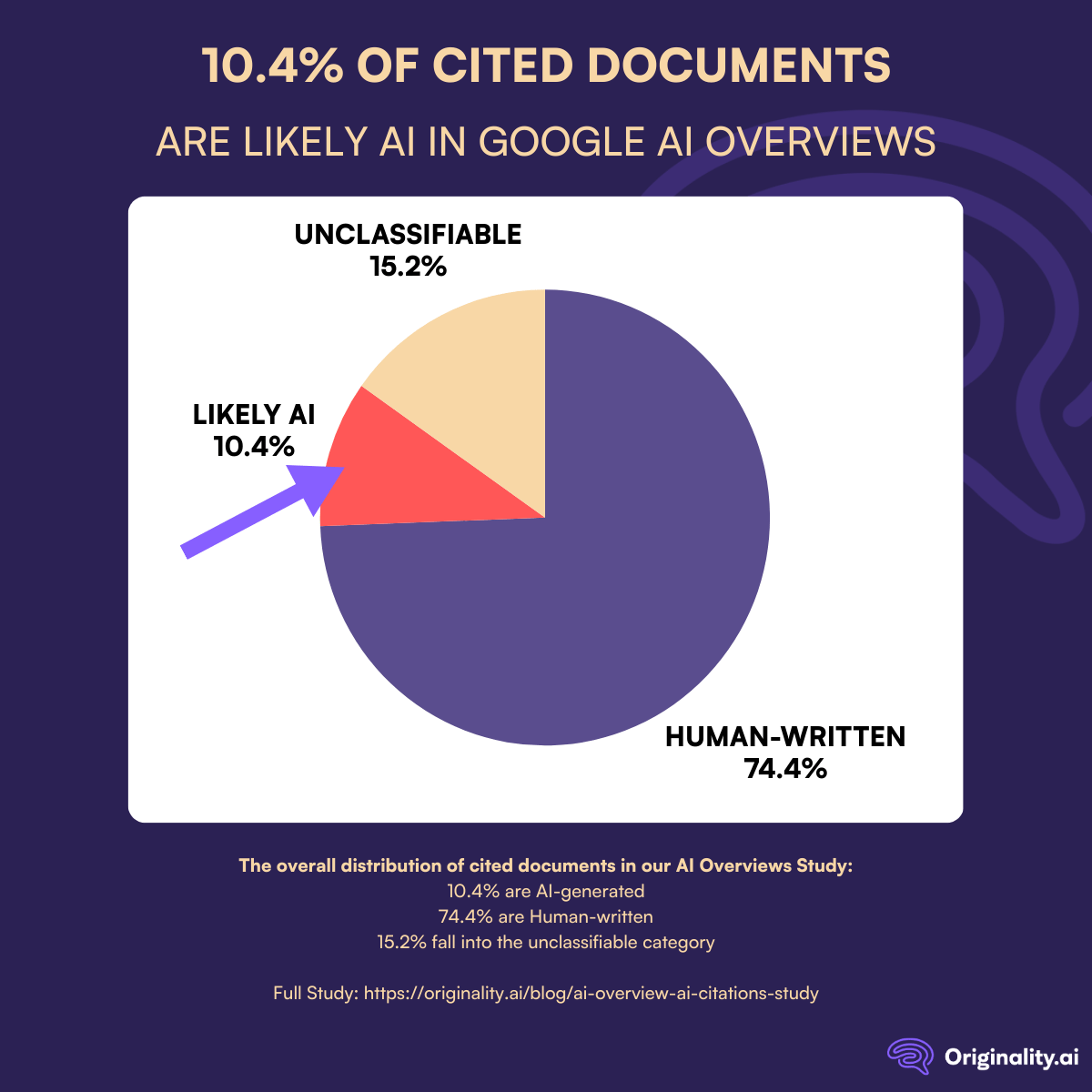
The Finding
A comprehensive analysis has identified that Google's AI Overviews feature produces inaccurate or misleading information approximately 10 percent of the time, according to reporting from Ars Technica. This discovery raises significant questions about the reliability of AI-generated search summaries that millions of users encounter daily.
The analysis represents one of the first systematic evaluations of AI Overviews' accuracy since Google began rolling out the feature more broadly in 2024. The 10 percent error rate translates to roughly one in ten search queries returning problematic information.
Context: Google's AI Overviews Strategy
Google introduced AI Overviews as part of its broader effort to integrate generative AI capabilities into its core search product. The feature uses large language models to synthesize information from multiple web sources and present a concise summary at the top of search results.
Initially limited to a subset of users in the United States, AI Overviews expanded significantly through 2024 and 2025, becoming available to hundreds of millions globally. However, the expansion has coincided with mounting criticism regarding accuracy and reliability.
Why This Matters: The Accuracy Problem
The significance of a 10 percent error rate cannot be understated when considering the scale of Google's search operations. Google processes over 8.5 billion searches daily. A 10 percent error rate means approximately 850 million searches daily could return inaccurate AI Overviews.
The types of errors documented vary in severity, from factual inaccuracies to "hallucinations," where the AI generates plausible-sounding but entirely fabricated information.
Competitive Landscape
The accuracy findings place Google in a precarious competitive position. Microsoft's Copilot for Search, powered by OpenAI's GPT-4, emphasizes accuracy and source attribution. Similarly, OpenAI's ChatGPT has introduced features to address accuracy concerns.
Specialized search engines like Perplexity AI provide AI-generated answers with transparent source attribution, representing an implicit critique of Google's approach.
The "Why Now?" Question
Several factors explain why this accuracy analysis has emerged now:
- Regulatory Pressure: Regulators globally have scrutinized AI systems for accuracy and reliability.
- User Complaints: Users and content creators have documented instances of inaccuracies.
- Market Maturation: Stakeholders demand the same accuracy standards applied to traditional search results.
- Competitive Differentiation: Competitors highlight Google's accuracy challenges.
Technical Challenges Behind the Errors
The 10 percent error rate likely stems from several technical challenges:
- Information Synthesis: Reconciling contradictory information from multiple sources.
- Temporal Sensitivity: Providing outdated information due to knowledge cutoffs.
- Source Reliability Assessment: Weighting unreliable sources equally with authoritative ones.
- Hallucination: Generating information with no basis in the training data.
Google's Response and Mitigation Efforts
Google has acknowledged accuracy challenges and implemented several safeguards:
- Source Attribution: AI Overviews now include citations linking back to source material.
- Disclaimer Messaging: Indicating that AI Overviews may contain errors.
- Topic Restrictions: Disabling AI Overviews for high-risk categories.
- Ongoing Refinement: Committing to accuracy improvements.
Implications for Users and Publishers
The accuracy findings have ripple effects across Google's ecosystem:
- For Users: AI Overviews should not be treated as authoritative sources.
- For Publishers: Potentially reducing traffic to original sources while risking misrepresentation.
- For Google: Threatening to erode user trust in search.
Looking Forward
The 10 percent error rate is likely to intensify scrutiny of AI search features. For Google, improving AI Overviews accuracy will be critical to maintaining user trust and fending off competitive threats.
The error rate reflects broader challenges the AI industry faces as it moves from experimental deployments to mission-critical applications.
[[Internal Link: ChatGPT]]


