
Google's Auto Browse AI Stumbles in Early Tests—Performance Issues Emerge
Early testing of Google's Auto Browse feature reveals significant performance challenges as the search giant attempts to compete in the agentic AI space. The feature struggles with task completion and reliability.
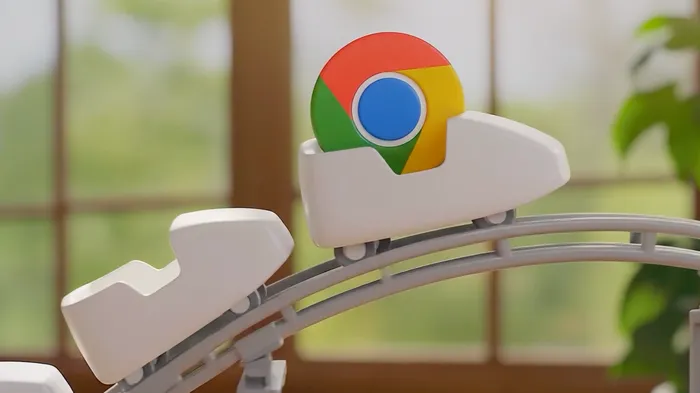
The AI Browser Wars Heat Up—But Google's Entry Falters
Google's push to transform Chrome into an AI-first browser is hitting unexpected turbulence. While competitors like OpenAI and Claude have already deployed autonomous browsing agents, Google's newly integrated Auto Browse feature is encountering significant performance obstacles in early testing, according to technical reviews from 9to5Google and broader coverage from TechCrunch. The feature, which allows Gemini 3 to autonomously navigate websites and complete tasks, represents Google's ambitious attempt to embed agentic capabilities directly into its browser—but the execution appears premature.
What Auto Browse Promises vs. What It Delivers
Google's vision is compelling: users could delegate complex web tasks to an AI agent that autonomously browses, clicks, and extracts information without manual intervention. According to Google's official announcement, the feature integrates tightly with Chrome and Gemini 3, positioning it as a productivity tool for power users and enterprise customers.
However, early testing reveals a gap between promise and performance:
- Task Completion Failures: The agent frequently fails to complete multi-step workflows, abandoning tasks midway or misinterpreting user instructions
- Navigation Errors: Auto Browse struggles with dynamic websites, JavaScript-heavy pages, and non-standard layouts
- Reliability Issues: Inconsistent performance across different website types suggests the model lacks robust generalization
- Latency Problems: Response times are sluggish, undermining the productivity gains the feature is meant to deliver
Video demonstrations from independent testers show the agent getting confused by simple form-filling tasks and failing to locate clickable elements that humans would identify instantly.
The Competitive Pressure
Google's stumble comes at a critical moment. The autonomous browser agent space is rapidly consolidating, with OpenAI's ChatGPT and Anthropic's Claude already offering functional alternatives. These competitors have spent more time refining their agentic capabilities, and their implementations appear more robust in early comparisons.
The timing is particularly awkward because Google is positioning Auto Browse as a premium feature within its Gemini ecosystem, with enterprise pricing expected to reflect its advanced capabilities. Early performance issues could damage adoption rates and credibility before the feature reaches mainstream users.
What's Going Wrong
Technical analysis suggests several root causes:
Model Limitations: Gemini 3's visual understanding of web interfaces may be insufficient for reliable autonomous navigation. The model appears to struggle with:
- Identifying interactive elements in cluttered layouts
- Understanding context across multiple page loads
- Handling unexpected UI variations
Integration Challenges: Embedding agentic behavior into a browser introduces complexity around security, permissions, and state management that Google may have underestimated.
Training Data Gaps: The model likely wasn't trained extensively on the full diversity of modern web interfaces, leaving it vulnerable to edge cases.
The Path Forward
Google has options to salvage Auto Browse. The company could:
- Delay broader rollout to focus on core reliability improvements
- Implement human-in-the-loop verification for critical tasks
- Expand training data to cover more website patterns
- Provide clearer guardrails and task specifications to users
The fundamental question is whether Google can iterate quickly enough to catch up with competitors who already have functional products in the market. Early stumbles in AI features are recoverable—but only if addressed before user expectations harden around competing solutions.
For now, Auto Browse remains a cautionary tale: even with Google's resources and AI expertise, moving fast in agentic AI requires more than tight integration and ambitious roadmaps. It requires reliable execution.


