
Hachette Cancels Novel Over AI Concerns, Industry Reacts
Hachette cancels 'Shy Girl' over AI concerns, highlighting vulnerabilities in publishing workflows and sparking industry-wide authenticity crisis.
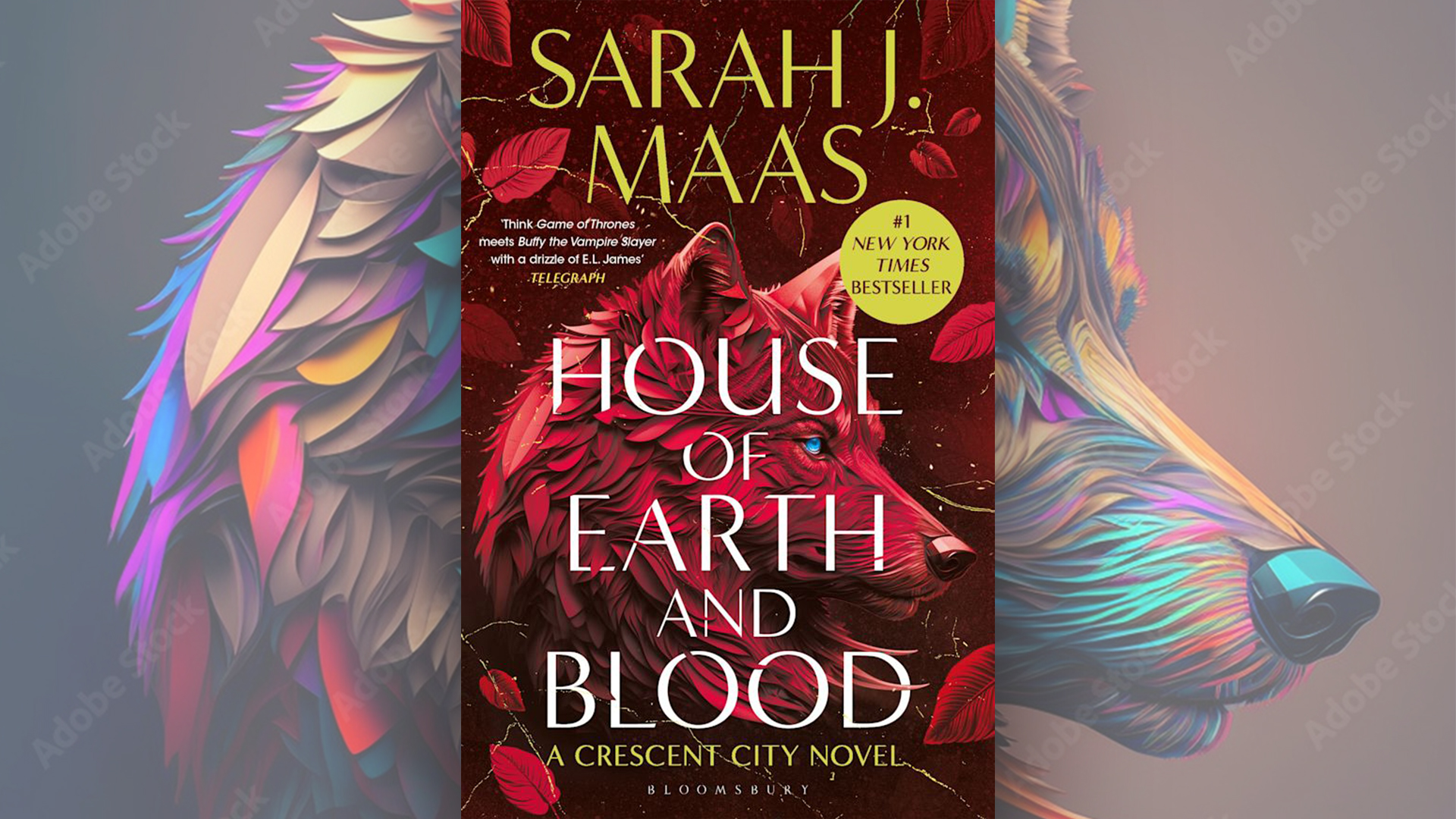
AI-Generated Fiction Infiltrates Publishing
Hachette Book Group has withdrawn the novel 'Shy Girl' by Mia Ballard from its publishing schedule following accusations that the book was AI-generated. This event has exposed vulnerabilities in traditional publishing workflows and sparked a crisis of authenticity across the industry (Source).
This marks the first instance where a major U.S. publisher has canceled a novel explicitly over AI concerns, highlighting publishers' lack of preparedness for detecting synthetic content in manuscripts.
The 'Shy Girl' Controversy: A Timeline
- Self-Publication Success: Ballard’s novel gained traction independently, prompting Hachette's quick acquisition—a rarity in the industry for its speed and lack of extensive prior editing.
- AI Accusations Escalate: Online communities flagged stylistic inconsistencies suggestive of AI tools like those from OpenAI.
- Publisher Pulls Back: Hachette halted distribution without a clear statement on AI verification, leaving Ballard to defend her work amid speculation.
Industry observer Lincoln Michel noted that U.S. publishers often apply minimal editing to acquired works, creating blind spots for AI infiltration (Source).
Broader Industry Shockwaves
The U.S. publishing sector, generating $30 billion annually, faces existential disruption from AI. Research shows AI fine-tuned on copyrighted books produces text readers prefer over human originals, at a fraction of the cost (Source).
| Stakeholder | Immediate Impact | Long-Term Concern |
|---|---|---|
| Publishers | Scrutiny costs and returns | Reader trust erosion |
| Authors | Suspicion and proof burdens | Authenticity verification mandates |
| Readers | Doubts on book origins | Devalued literature |
| Retailers | Refunds and inventory issues | Verification tech needs |
Publisher Responses
Major players are reacting unevenly:
- Penguin Random House declared AI as an "assistant" only.
- Pan Macmillan commits to "human stories by human writers."
- Springer Nature plans a 25% AI expansion in editorial workflows (Source).
The Authors Guild launched a Human Authored certification, allowing minimal AI for grammar but barring generative text (Source).
Why Now?
AI fiction's rise stems from matured models post-2023, trained on vast copyrighted corpora. Competitors like Amazon's KDP enable AI floods, undercutting Big Five via volume. Publishers chase these hits for quick profits, but lack detectors exposes them (Source).
Hachette's pull sets a precedent, shifting culture to paranoia: Every book now suspect. Without standards, the industry risks a trust collapse, but proactive tools could preserve human primacy.


