
Hollywood Launches Anti-AI Campaign with Celebrity Support
Hollywood launches "Stealing Isn't Innovation" campaign with 700 celebrity backers to challenge AI's use of copyrighted work.
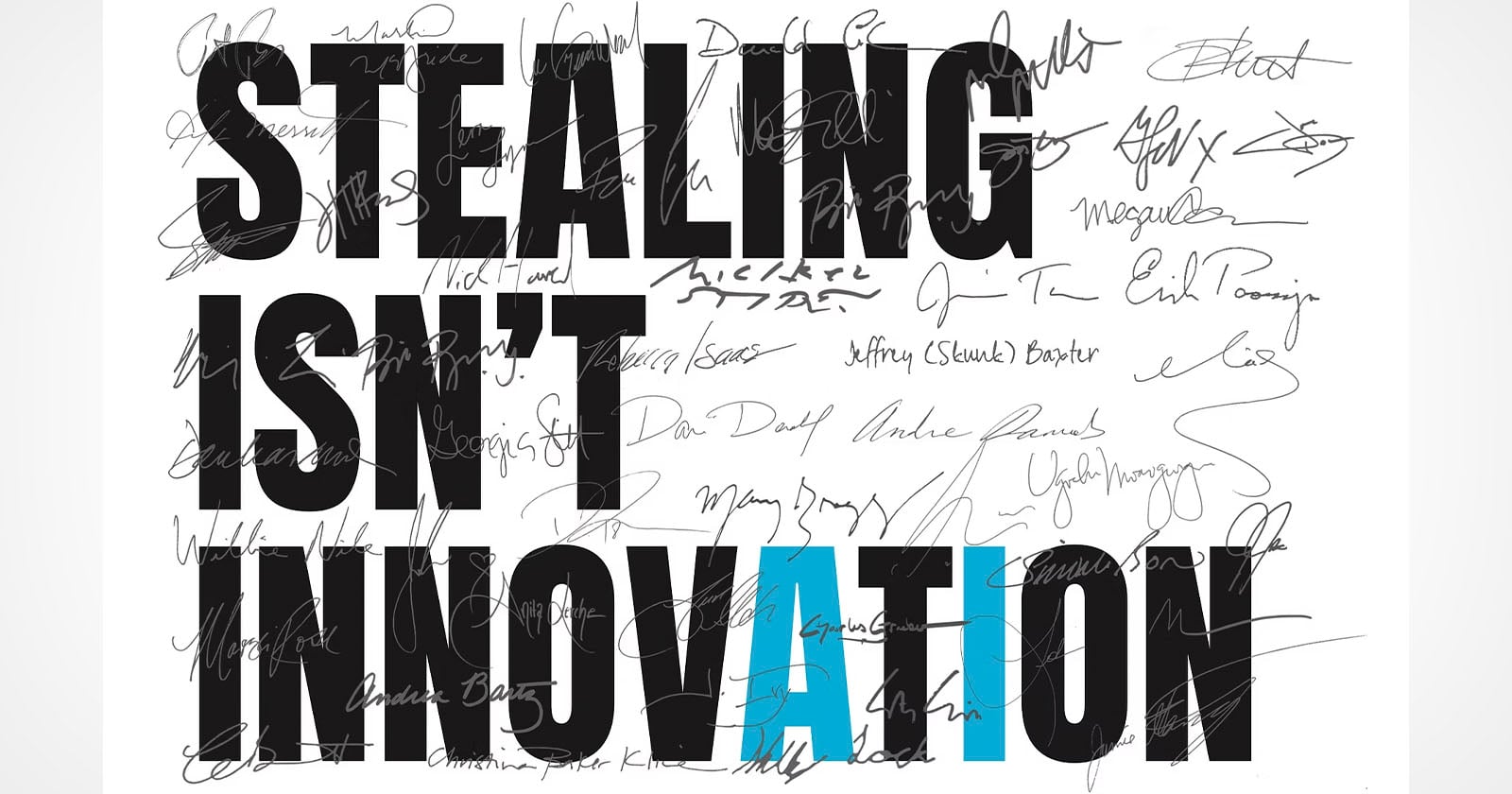
Hollywood's "Stealing Isn't Innovation" Campaign Launches
Over 700 actors, writers, musicians, and visual artists have united behind a sweeping new anti-AI campaign called "Stealing Isn't Innovation," organized by the Human Artistry Campaign. Announced this week with advertisements in major publications including The New York Times, the coalition features A-list names like Scarlett Johansson, Cate Blanchett, Joseph Gordon-Levitt, and Breaking Bad creator Vince Gilligan. This represents one of the entertainment industry's most coordinated efforts to challenge how technology companies train generative AI systems on copyrighted creative work without authorization or compensation.
The campaign frames the core dispute with stark clarity: technology companies have systematically copied creative content at scale to power AI platforms like ChatGPT and Sora, bypassing copyright protections and denying creators payment for their work. "Big Tech is trying to change the law so they can keep stealing American artistry to build their AI businesses — without authorization and without paying the people who did the work," the campaign states. The movement characterizes this practice as "theft on a grand scale" and argues it threatens both individual creators and America's broader competitive standing in AI development.
The Campaign's Core Arguments and Strategic Framing
The Human Artistry Campaign articulates multiple interconnected concerns about generative AI's reliance on unlicensed creative content. Beyond the immediate copyright violation argument, organizers warn that AI companies' practices foster an information ecosystem plagued by misinformation, deepfakes, and what critics call "AI slop"—low-quality, mass-produced synthetic content that degrades overall content quality. The coalition further contends that this approach risks "AI model collapse" and directly threatens "America's AI superiority and international competitiveness" by undermining the legitimate creative industries that have historically driven American cultural and technological innovation.
The campaign proposes practical policy solutions centered on licensing mechanisms and opt-out frameworks that would allow creators to control whether their work trains AI systems and receive compensation if it does. These proposals occupy middle ground between total prohibition of AI training on copyrighted material and the current largely unregulated status quo, positioning the campaign as pragmatic rather than purely obstructionist.
High-Profile Backers and Their Track Records
Scarlett Johansson brings particular credibility to the campaign given her sustained public advocacy against AI misuse. The actor has spent years resisting unauthorized use of her image, filing lawsuits against AI applications that used her name and likeness in digital advertising without consent. Most notably, in May 2024, Johansson publicly criticized OpenAI for allegedly basing the "Sky" voice in GPT-4o on her performance in Spike Jonze's 2013 film Her—a complaint that gained international attention and raised questions about AI companies' obligations to performers whose work influences AI outputs.
Cate Blanchett and Joseph Gordon-Levitt joined a broader coalition of 400 industry leaders in 2025 who signed an open letter to the White House's Office of Science and Technology Policy urging the Trump administration to uphold existing copyright laws and resist pressure from AI firms seeking to weaken protections. This positioning suggests the campaign benefits from creators already embedded in Washington policy discussions.
The Paradox of Hollywood's AI Stance
The campaign's launch reveals deep contradictions within the entertainment industry's relationship to AI technology. While hundreds of creators publicly oppose AI training practices, major studios have simultaneously signed lucrative deals with AI companies. Most notably, Disney filed a lawsuit against AI firm Midjourney in June 2025, calling it a "bottomless pit of plagiarism," yet months later the company signed a $1 billion deal with OpenAI that will integrate Disney-owned characters into Sora's video generation capabilities. This contradiction underscores how even vocal AI critics balance public positioning against commercial opportunities.
Regulatory and Legal Context
The campaign launches amid unsettled legal and regulatory terrain. Federal officials and technology industry allies continue pushing to influence how states regulate AI, while creators and rights holders press for clearer copyright protections. Several high-profile lawsuits remain pending, including cases brought by major publishers and visual artists against AI companies over training data sourcing. The outcome of these cases will significantly shape whether licensing and opt-out mechanisms become industry standard or whether more restrictive legal frameworks emerge.
The "Stealing Isn't Innovation" campaign represents a critical moment in Hollywood's reckoning with generative AI—one where creators are attempting to shift the narrative from technological inevitability to legal and ethical accountability, backed by both star power and policy expertise.


