
Huang's Taiwan Push: Nvidia CEO Demands Suppliers Ramp Up Production Amid AI Chip Boom
Nvidia CEO Jensen Huang pressed Taiwan's semiconductor suppliers to boost production during a major dinner event, highlighting supply chain pressures in the AI chip race and Taiwan's critical role in global tech infrastructure.
The Supply Chain Pressure Mounts
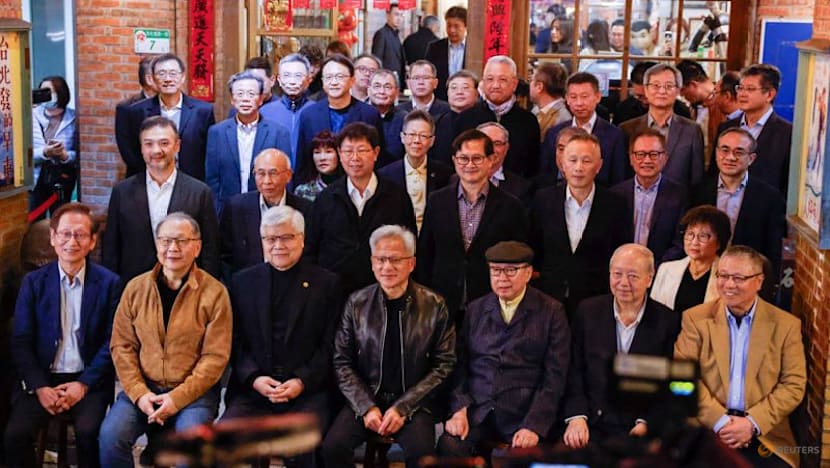
The global AI chip race is tightening, and Nvidia's leadership isn't waiting passively for capacity to materialize. During a high-profile dinner event in Taiwan, CEO Jensen Huang delivered a direct message to the island's semiconductor suppliers: accelerate production or risk losing ground to competitors. This isn't merely a request—it reflects the intense pressure within the world's most critical tech supply chain as demand for AI processors continues to outpace available capacity.
Taiwan remains the linchpin of global chip manufacturing, home to TSMC and a vast ecosystem of component suppliers. According to reports from the dinner event, Huang emphasized the strategic importance of ramping up output to meet surging demand for AI infrastructure. The message underscores a fundamental challenge facing the industry: even as foundries expand capacity, the bottleneck has shifted to upstream suppliers and specialized components.
Why This Matters Now
The timing is critical. Taiwan News reported that Huang's appeal came amid discussions about Taiwan's role in maintaining Nvidia's supply chain dominance. With competitors like AMD and Intel investing heavily in alternative sourcing strategies, Nvidia cannot afford supply constraints to slow its momentum in the data center and AI accelerator markets.
Several factors make this push urgent:
- Demand Explosion: AI model training and inference require unprecedented volumes of high-bandwidth memory, power delivery components, and specialized substrates
- Geopolitical Risk: U.S.-China tensions create urgency around securing Taiwan-based supply chains before potential disruptions
- Competitive Pressure: Other chipmakers are aggressively courting the same suppliers, creating a bidding war for capacity
- Margin Protection: Delays in component availability can cascade through Nvidia's manufacturing timeline, impacting quarterly guidance
Inside the Trillion-Dollar Dinner
The event itself was notable for its scale and attendees. Huang's direct engagement with Taiwan's supplier ecosystem signals that Nvidia views supply chain resilience as a core competitive advantage, not merely a logistics problem. By publicly emphasizing production increases, Huang is simultaneously:
- Signaling to investors that Nvidia is actively managing supply risks
- Pressuring suppliers to prioritize Nvidia orders over competitors
- Demonstrating Taiwan's continued centrality to Nvidia's business model
The Broader Context
This moment reflects a structural shift in semiconductor economics. For decades, the industry operated on a "build it and they will come" model. Today, demand for AI chips has inverted that dynamic—suppliers cannot manufacture fast enough. Huang's Taiwan visit acknowledges this reality while attempting to bend the supply curve in Nvidia's favor.
The pressure on suppliers is real but not unlimited. Taiwan's manufacturing ecosystem operates near capacity across multiple segments. Expanding output requires capital investment, skilled labor recruitment, and energy infrastructure upgrades—all of which take time. Huang's appeal may accelerate some projects, but it cannot eliminate the fundamental constraints of physics and manufacturing timelines.
What's Next
The success of Huang's push will become visible in quarterly earnings reports and supply chain commentary over the next 2-3 quarters. If Taiwan-based suppliers meaningfully increase output, Nvidia gains a structural advantage. If capacity remains constrained, the company may face margin pressure or delayed product launches.
For Taiwan, Huang's visit reinforces the island's geopolitical and economic importance. As long as Nvidia—and the broader AI industry—depends on Taiwan's manufacturing prowess, the island's strategic value remains unmatched. The question is whether that advantage can be sustained against rising competition and geopolitical uncertainty.


