
Intel Shares Drop 17% Amid AI Supply Challenges
Intel's stock drops 17% due to AI supply issues, raising investor concerns about its turnaround strategy.
Intel Shares Drop 17% Amid AI Supply Challenges
Intel Corporation's stock fell 17% on Friday, erasing recent gains as the chipmaker revealed production bottlenecks and a soft outlook despite high demand for its AI processors. This has intensified investor skepticism about its turnaround under new CEO Lip-Bu Tan (Business Insider, Axios). The earnings report, released late Thursday, showed the company slightly beating adjusted earnings per share and revenue estimates but forecasting current-quarter sales of $11.7 billion to $12.7 billion—below the $12.51 billion consensus—due to manufacturing issues preventing it from meeting surging AI data center demand.
Earnings Fallout and Executive Commentary
Intel's CFO David Zinsner attributed the weak outlook to supply constraints, stating the company struggled to ramp production amid exploding demand for AI chips. He anticipated improvements in coming quarters (Business Insider). CEO Lip-Bu Tan, appointed in March 2026, described the recovery as a "multiyear journey" demanding "time and resolve" to restore Intel as a revitalized American tech leader (Axios).
Zinsner highlighted inventory mismanagement, admitting Intel "was not effectively managing supply in anticipation of a significant increase in units," a misstep tied to its owned foundries that has left AI data center customers underserved (Axios). This comes as Intel invests billions into fabs to chase AI opportunities, with shares sliding on fears of prolonged execution risks.
Past Performance: A Rocky Track Record
Intel's challenges build on years of setbacks. Historically dominant in PC chips, the company lost ground in the 2010s to TSMC's superior process nodes (Axios). By 2023-2025, Intel's foundry ambitions faltered with delays in its 18A process and Intel 4 nodes, contributing to market share erosion from 80% in CPUs to under 60% amid AMD's rise (Business Insider).
Competitor Comparison: Lagging in the AI Race
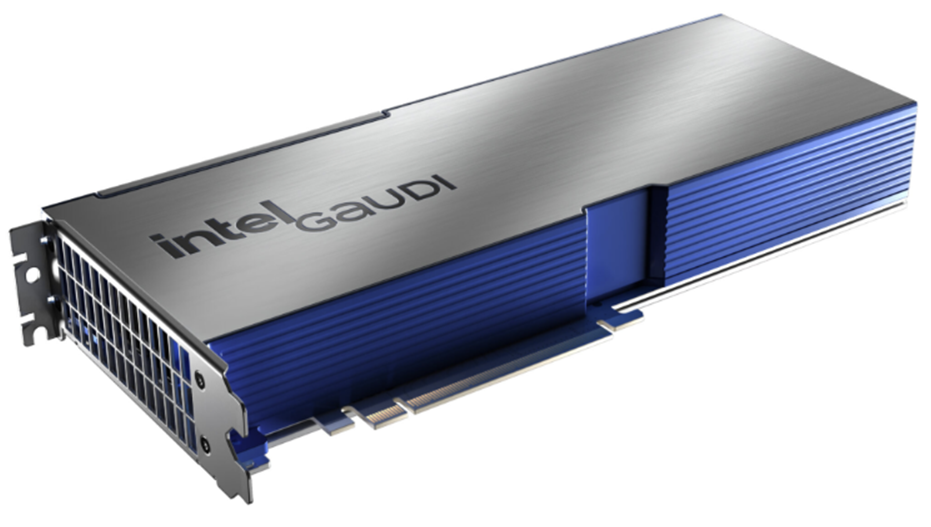
Intel trails AI chip leaders. Nvidia dominates with 80-90% market share in AI GPUs, while Intel's Gaudi 3 AI accelerators struggle for traction despite competitive specs (Axios). AMD has surged with MI300X chips powering 20% of AI workloads, boasting better yields than Intel's owned fabs.
| Company | AI Revenue Q4 2026 (Est.) | Stock YTD Performance | Key Strength | Key Weakness |
|---|---|---|---|---|
| Intel | ~$3B (data center) | +23% (pre-drop) | Owned U.S. fabs | Supply bottlenecks |
| Nvidia | $30B+ | +150% | GPU dominance, yields | High valuations |
| AMD | $5B+ | +80% | MI300X traction | Less AI ecosystem |
Strategic Context and Market Timing
The timing underscores broader AI hype risks. AI infrastructure spend hit $200B in 2025, but hyperscalers like Microsoft and Google demand flawless volume—exposing Intel's pivot from PCs to AI servers (Business Insider). Tan's appointment followed 2025 layoffs and CHIPS Act funding, yet investors remain focused on execution delays.
Implications for Investors and the Chip Sector
Friday's plunge highlights AI stocks' vulnerability to misses, even amid tailwinds like government stakes (Business Insider). Long-term success hinges on foundry wins; failures could pressure U.S. chip independence. Investors eye Q1 updates for supply fixes, but Tan's "multiyear" framing tempers near-term optimism (Axios).
This episode tests Intel's resolve in a $1T AI chip market, where demand surges but execution reigns supreme.


