
Kaiser Permanente Strike Over AI Mental Health Screening
Kaiser Permanente faces a strike over AI mental health screening, raising concerns about patient safety and clinical assessment.
Kaiser Permanente Strike Over AI Mental Health Screening
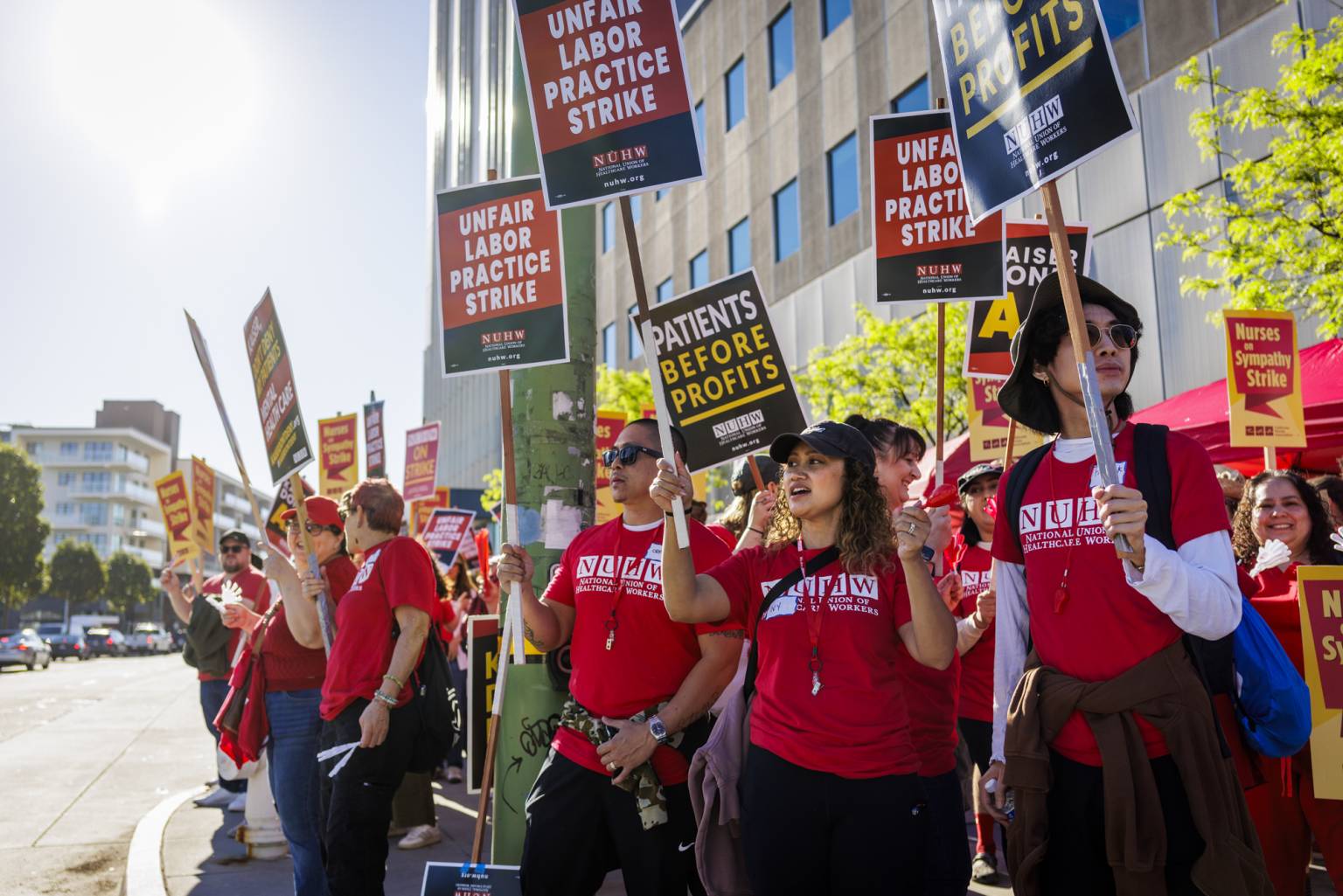
More than 2,000 mental health workers at Kaiser Permanente in Northern California participated in a one-day strike on March 18, 2026. The protest centered on the health system's adoption of artificial intelligence-powered patient screening, which unions argue compromises clinical assessment and delays critical care (The Guardian). The strike was led by the National Union of Health Care Workers (NUHW) and supported by over 23,000 nurses from the California Nurses Association.
The Core Dispute: Human Expertise vs. Algorithmic Screening
The conflict arises from a disagreement on how patients should be triaged for mental health or substance abuse treatment. Traditionally, licensed clinical social workers and therapists conducted phone screenings, asking nuanced questions to assess patient needs. This has been largely replaced by telephone operators with scripted questions and an online AI questionnaire (The Guardian).
Kaiser therapist Jess Metzinger highlighted the new app during the strike, which asks only four yes-or-no questions about anxiety and depression symptoms. "This would be a 15-minute call with a licensed therapist that they've replaced with some yes or no questions," Metzinger said.
Research indicates that AI systems may underestimate the severity of medical emergencies. Since implementing the new system, therapists have reported patients being misassigned, suggesting the algorithm misses critical indicators (The Guardian).
Kaiser's Rebuttal and the Flexibility Question
Kaiser Permanente denies that AI replaces human clinical judgment. The company states: "AI does not replace human assessment, and it does not make care decisions," aiming to enhance clinician efficiency (The Guardian).
The union demands contractual language protection, similar to what Southern California Kaiser therapists have secured, which prohibits AI from replacing clinicians. Kaiser has resisted, citing the need for "flexibility."
Historical Context: A Pattern of Mental Health Failures
Kaiser's move towards AI-driven screening occurs amidst documented failures in mental health care delivery. Despite having $67 billion in reserves, Kaiser has faced regulatory actions for violating mental health parity laws (The Guardian).
In 2023, Kaiser settled with California's Department of Managed Health Care for $200 million and agreed to a $31 million settlement with the U.S. Department of Labor over mental health parity violations.
The Broader Stakes: AI in Healthcare Labor
The strike exemplifies a broader tension in healthcare regarding AI's role in clinical decision-making and labor rights. While Kaiser frames AI as a productivity tool, the union views it as a mechanism for deskilling the workforce (The Guardian).
Kaiser's investment in AI infrastructure, including systems that record therapy sessions, suggests a strategy extending beyond administrative support.
Strike Solidarity and Regulatory Implications
The California Nurses Association's support underscores the broader implications of algorithmic triage. The timing of the strike, with Kaiser under state and federal monitoring, could trigger additional regulatory intervention if AI systems contribute to delayed care.
The March 18 strike did not resolve the dispute, leaving open questions about whether Kaiser will accept contractual AI limitations or if further labor action may follow.


