
Memory Chip Shortage Crisis: Tech Giants Warn of Years-Long Supply Crunch
Tech industry leaders are sounding the alarm on a critical shortage of AI-driven memory chips that could persist for several years, threatening growth and profitability across the sector.
The AI Memory Crisis Deepens
The technology industry faces a mounting crisis that could reshape competitive dynamics for years to come. According to recent analysis, the shortage of AI-driven memory chips threatens to constrain tech profits and growth, with major industry players warning that relief is nowhere in sight. This isn't a temporary supply chain hiccup—it's a structural challenge that will force difficult choices about resource allocation and strategic priorities.
The shortage stems from a fundamental mismatch: explosive demand for AI infrastructure has outpaced the manufacturing capacity of memory chip producers. Data centers racing to deploy large language models and other AI workloads require unprecedented volumes of high-bandwidth memory (HBM) and DRAM. Yet the fabs capable of producing these chips operate at maximum capacity, with expansion timelines measured in years rather than quarters.
Why This Matters Now
The implications ripple across the entire technology ecosystem:
- Cloud providers face constraints on AI service expansion, potentially slowing revenue growth in their fastest-growing segments
- AI chip designers like NVIDIA depend on memory availability to deliver complete solutions
- Enterprise customers struggle to secure the infrastructure needed for AI deployments
- Emerging competitors find it even harder to break into the market without guaranteed memory supply
Industry observers note that the tech sector is plunging into a memory crisis that will force difficult trade-offs between different applications and customer segments. The shortage creates a de facto rationing system where established players with long-term contracts gain advantage over newcomers.
The Supply-Side Reality
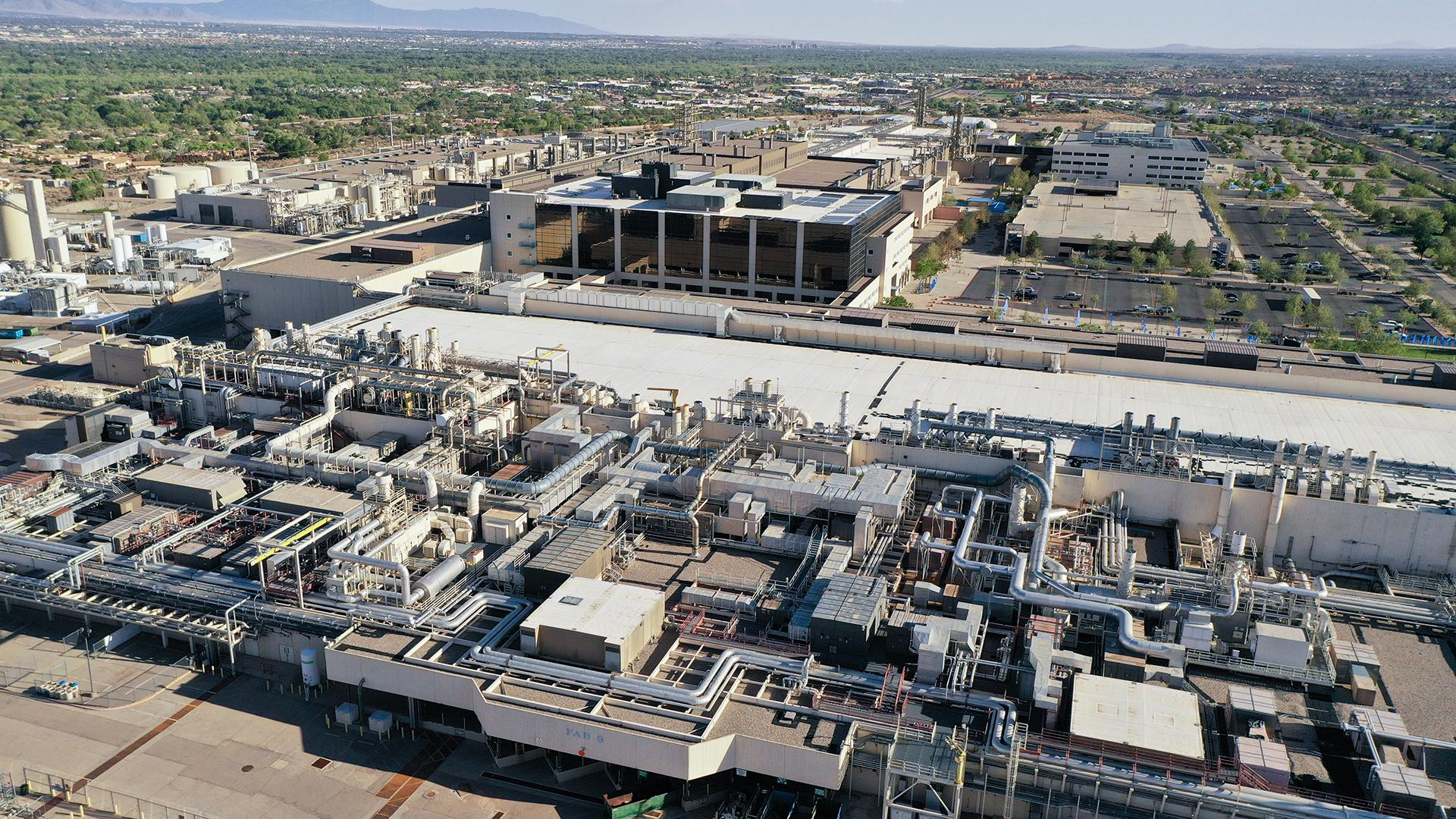
Manufacturing memory chips at scale is extraordinarily capital-intensive and time-consuming. Building a new fab requires $15-20 billion in investment and 3-5 years of construction before production begins. Recent analysis of semiconductor manufacturing capacity reveals that even with aggressive expansion plans, producers cannot keep pace with demand growth.
The U.S. government has invested in domestic production through initiatives like the CHIPS Act, but these efforts face their own timeline constraints. New fabs under construction in the United States won't reach meaningful production volumes until the mid-to-late 2020s—well after the acute shortage period.
Strategic Implications
Companies are adapting their strategies in real-time:
- Vertical integration: Major tech firms are exploring partnerships or acquisitions to secure memory supply
- Design optimization: Engineers are working to reduce memory requirements per AI model
- Geographic diversification: Firms are building relationships with producers across multiple countries to reduce single-source risk
- Inventory building: Those with capital are stockpiling memory chips, further tightening supply for others
Technical deep-dives into the challenge reveal that the problem extends beyond simple capacity constraints. The specific types of memory required for AI workloads—particularly high-bandwidth memory—face even tighter bottlenecks than commodity DRAM.
The Competitive Reshuffling
This shortage will likely accelerate consolidation and shift competitive advantage toward companies with:
- Strong balance sheets to secure long-term supply contracts
- Existing relationships with memory manufacturers
- Ability to optimize software for lower memory consumption
- Geographic presence in regions with manufacturing capacity
The companies that navigate this crisis most effectively will emerge stronger, while those caught without adequate supply face real constraints on growth and market share.
Looking Ahead
Relief appears unlikely before 2027-2028, when new manufacturing capacity comes online. Until then, the memory chip shortage will remain a defining constraint on AI infrastructure expansion and a key variable in competitive strategy across the technology industry.


