
Memory Crisis Looms as AI Chip Demand Reshapes the Semiconductor Market
The explosive growth in AI infrastructure is creating a memory shortage that threatens consumer electronics. Data centers are consuming 70% of memory chip production, leaving consumers facing higher prices and potential supply gaps.
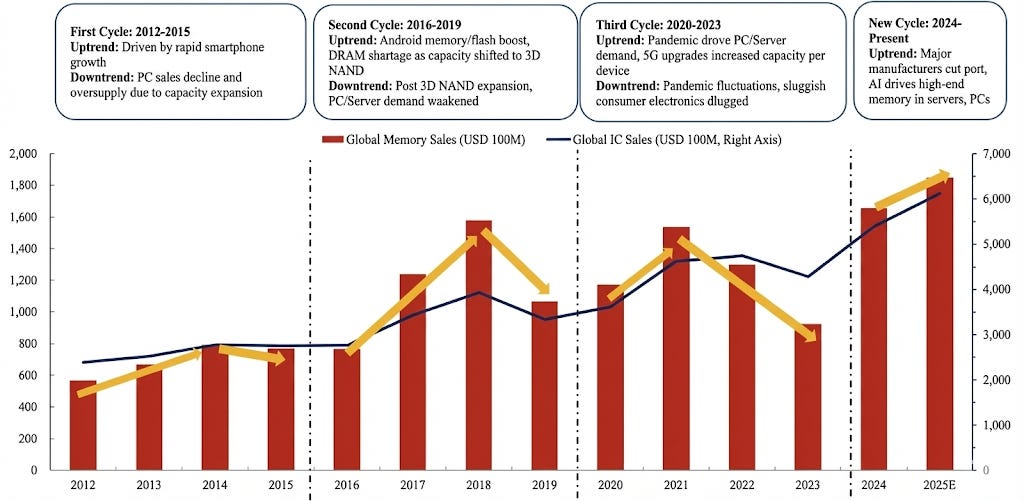
The Memory Crunch Nobody Saw Coming
The semiconductor industry is facing an unprecedented crisis—not from a lack of innovation, but from a fundamental supply-demand imbalance. As artificial intelligence workloads explode across data centers globally, memory chip manufacturers are struggling to keep pace. The result is a cascading effect that threatens to reshape the entire consumer electronics landscape.
According to recent analysis, data centers will consume 70 percent of memory chips made in 2026, leaving traditional consumer segments—PCs, smartphones, and gaming devices—competing for scraps. This allocation shift represents a fundamental restructuring of the memory market, one that hasn't been seen since the last major chip shortage.
The AI-Driven Memory Supercycle
The surge in AI chip demand has triggered what industry observers are calling a "memory supercycle." Both DRAM and NAND flash memory prices have skyrocketed, with memory prices experiencing significant increases driven by the AI infrastructure buildout. This isn't a temporary blip—it's a structural shift in how semiconductor capacity is allocated.
Why This Matters
The implications extend far beyond data center operators:
- Consumer Electronics Pricing: Higher memory costs directly translate to more expensive laptops, smartphones, and gaming consoles
- Supply Chain Pressure: Manufacturers face difficult choices between maintaining margins or absorbing costs
- Market Segmentation: Premium devices will have access to memory; budget segments will face severe constraints
- Innovation Delays: Product launches may be postponed as companies wait for more favorable pricing
The Data Center Dominance Problem
The concentration of memory production toward AI infrastructure creates a structural vulnerability. When 70% of output flows to a single market segment, other industries become dependent on secondary supply chains and inventory management. This creates a two-tier market: well-funded tech giants securing long-term contracts, while smaller manufacturers and consumer brands scramble for allocation.
The memory wall represents a critical constraint in the AI infrastructure race, where companies like NVIDIA, AMD, and cloud providers are locked in an arms race to secure memory capacity. This competition has fundamentally altered pricing dynamics, pushing memory costs to levels not seen in years.
What's Next?
The semiconductor industry faces a critical juncture. Manufacturing capacity expansions take years to complete, meaning relief won't arrive quickly. In the near term, expect:
- Continued price increases through 2026
- Potential shortages in consumer-grade memory products
- Consolidation among smaller PC and smartphone manufacturers
- Increased focus on memory efficiency in chip design
The AI boom has created winners and losers in the semiconductor ecosystem. Data center operators and cloud providers are winning the memory allocation battle, while consumer electronics manufacturers are facing margin compression and supply uncertainty. Until manufacturing capacity catches up with AI-driven demand, the memory crisis will remain a defining challenge for the broader tech industry.
This isn't just about higher prices—it's about the fundamental reallocation of a critical resource in the digital economy.


