
Microsoft Builds AI Frontier Models In-House as Suleyman Charts Automation Timeline
Microsoft's AI chief Mustafa Suleyman reveals the company's strategy to develop advanced frontier models internally, while predicting widespread white-collar automation within 18 months.
The Race for AI Dominance Intensifies
The competitive landscape for artificial intelligence leadership is shifting. While rivals invest heavily in partnerships and external model development, Microsoft is charting a different course by building advanced frontier models internally. This strategic pivot signals a fundamental commitment to controlling the full AI stack—from infrastructure to inference—as the technology race accelerates.
Microsoft's AI Chief Mustafa Suleyman has become increasingly vocal about the company's vision, not just for model development but for the broader implications of AI deployment in enterprise environments.
In-House Model Development: Strategic Necessity
Microsoft's decision to develop frontier models internally reflects a broader industry trend toward vertical integration. Rather than relying solely on partnerships or licensing arrangements, the company is investing in the research, compute infrastructure, and talent required to build cutting-edge AI systems from scratch.
This approach offers several advantages:
- Control over architecture and optimization for Microsoft's specific cloud infrastructure and customer needs
- Reduced dependency on external model providers and licensing agreements
- Faster iteration cycles for integrating AI capabilities into Microsoft products
- Proprietary advantages in model training and fine-tuning techniques
The company has outlined how this strategy supports its broader "frontier transformation" initiative, positioning AI not as a standalone technology but as a fundamental business enabler.
The Automation Timeline: 18 Months to Disruption
Perhaps more provocative than the technical strategy is Suleyman's timeline for workplace disruption. According to recent statements, the Microsoft AI chief predicts widespread white-collar job automation within 18 months. This forecast carries significant weight given Microsoft's position as a major enterprise software provider with visibility into customer operations.
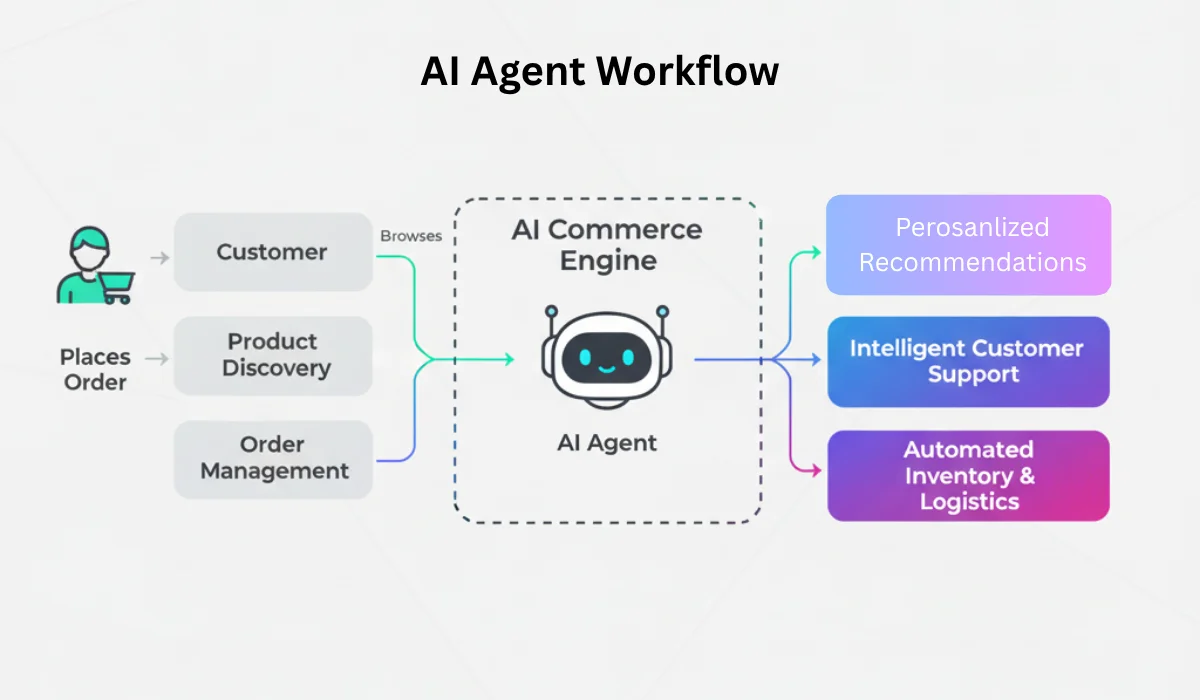
The prediction centers on AI agents—autonomous systems capable of executing complex tasks with minimal human intervention. Microsoft has already begun positioning its organization around this shift, with resources dedicated to helping companies prepare for agentic AI deployment.
What This Means for Enterprise AI Strategy
The convergence of in-house model development and aggressive automation timelines suggests Microsoft is preparing to move fast in the enterprise AI market. Companies relying on Microsoft's cloud infrastructure and AI services will likely face pressure to adopt these new capabilities quickly—both to maintain competitive advantage and to justify their AI investments.
However, the 18-month timeline for widespread white-collar automation remains contentious among AI researchers and economists. While certain routine tasks may indeed be automated rapidly, the claim of "widespread" automation across knowledge work remains speculative and depends heavily on factors beyond pure technical capability—including regulatory frameworks, organizational readiness, and economic incentives.
The broader context involves Microsoft's commitment to responsible AI deployment and workforce transition strategies, though the tension between aggressive automation timelines and workforce protection remains unresolved.
The Competitive Implications
Microsoft's dual strategy—building frontier models internally while promoting rapid AI adoption—positions the company as both an AI infrastructure provider and a thought leader shaping enterprise expectations. Whether this approach succeeds depends on the quality of internally developed models, the pace of actual enterprise adoption, and the company's ability to navigate the complex regulatory and social landscape surrounding workplace automation.


