
Moonshot AI Launches Kimi Claw: A New Contender in Browser-Based AI Agents
Moonshot AI's Kimi Claw platform brings OpenClaw-based AI agents to the browser with 5,000 community skills and cloud-native integration, challenging the growing market for autonomous AI tools.
The AI Agent Arms Race Heats Up
The competition for browser-based AI agent dominance just intensified. Moonshot AI has launched Kimi Claw, a new platform built on the OpenClaw framework, positioning itself as a cloud-native alternative to existing agent ecosystems. The move signals a strategic pivot toward democratizing AI automation for everyday users while competing against established players in the autonomous agent space.
What Is Kimi Claw?
Kimi Claw is a beta platform that enables users to build, deploy, and manage AI agents directly within a web browser. Built on the OpenClaw architecture, the platform emphasizes accessibility and extensibility through a modular design approach.
Key Features
- 5,000+ Community Skills: Pre-built integrations and capabilities that users can leverage without custom development
- 40GB Cloud Storage: Dedicated storage allocation for agent data, models, and operational artifacts
- Cloud-Native Architecture: Designed for scalability and seamless integration with existing cloud infrastructure
- OpenClaw Foundation: Leverages an open framework that prioritizes reliability and transparency in agent behavior
Technical Architecture and Design Philosophy
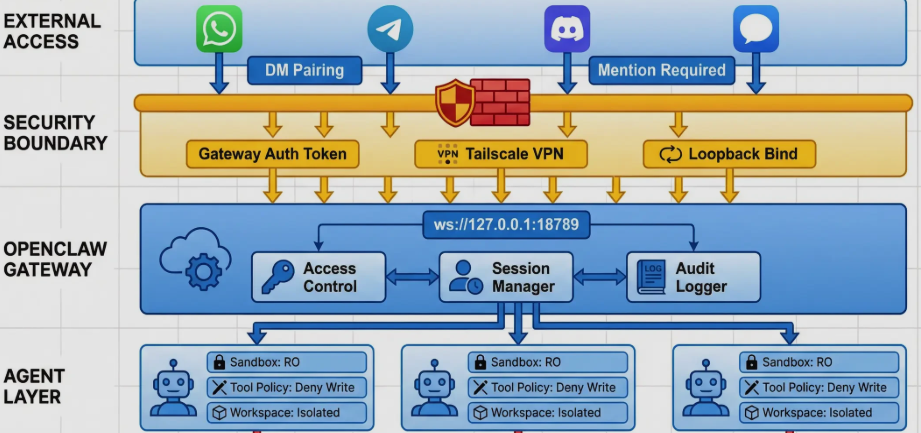
The OpenClaw framework underpinning Kimi Claw represents a departure from proprietary, black-box agent systems. According to technical analyses, the architecture emphasizes modularity, allowing developers to inspect, modify, and extend agent behavior at multiple layers.
This design choice addresses a critical pain point in the current AI agent market: transparency. As autonomous agents become more capable, understanding their decision-making processes becomes essential for enterprise adoption and regulatory compliance.
Market Positioning and Competitive Context
The launch arrives amid a broader surge in AI agent platforms. Moonshot AI's entry into the browser-based agent space reflects growing demand for tools that combine ease-of-use with enterprise-grade capabilities.
Unlike traditional API-first agent platforms, Kimi Claw prioritizes browser accessibility, lowering the barrier to entry for non-technical users while maintaining depth for developers. The 5,000-skill ecosystem suggests a community-driven approach to capability expansion, similar to successful plugin marketplaces.
What This Means for the Industry
The proliferation of browser-based AI agents signals a maturation phase in the market. Rather than competing solely on model capability, platforms are differentiating through:
- Ease of deployment — Browser-native reduces infrastructure friction
- Ecosystem richness — Community skills and integrations create network effects
- Transparency — Open frameworks build trust with enterprise customers
- Cost efficiency — Cloud-native design optimizes resource utilization
Kimi Claw's beta launch positions Moonshot AI as a serious contender in a market increasingly crowded with agent platforms. The company's emphasis on OpenClaw's open architecture may appeal to organizations wary of vendor lock-in, a legitimate concern as AI agents become mission-critical infrastructure.
Looking Ahead
The success of Kimi Claw will likely hinge on community adoption and the quality of available skills. Early indicators suggest strong interest, with the platform already attracting developer attention. As the AI agent market matures, platforms that balance accessibility with technical depth will gain significant competitive advantage.
The browser-based AI agent category is no longer experimental—it's becoming essential infrastructure for organizations seeking to automate complex workflows at scale.


