
Musk and Altman's AI Safety Rift: The Lawsuit That Exposed OpenAI's Fractured Vision
Elon Musk and Sam Altman's clash over AI safety intensifies as a lawsuit reveals deep disagreements on responsible development. What does this mean for the future of artificial intelligence?
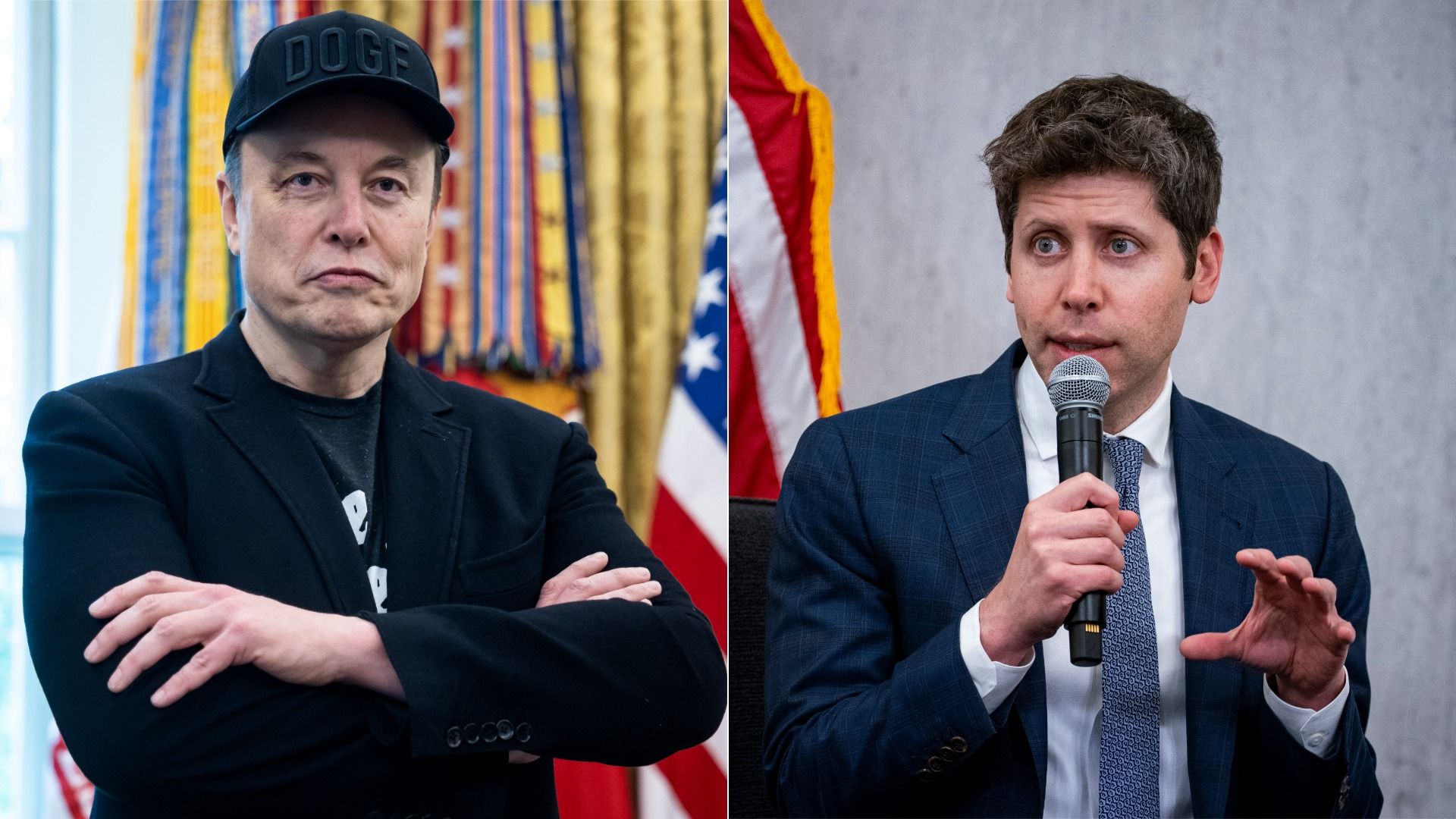
The Rivalry That Threatens AI's Future
The battle for control over artificial intelligence's moral compass has erupted into open warfare. Elon Musk and Sam Altman, once aligned in their vision for OpenAI, now stand on opposite sides of a lawsuit that cuts to the heart of AI safety. What began as a disagreement over corporate structure and safety protocols has devolved into a high-stakes legal confrontation with implications far beyond their personal feud—it's a proxy war over how the world's most powerful AI systems should be governed.
The Catalyst: Safety Concerns and Structural Tensions
The conflict centers on fundamental questions about responsible AI development. According to Musk's legal filings, OpenAI has abandoned its original nonprofit mission and safety-first mandate, transforming into a profit-driven entity under Altman's leadership. Musk contends that this shift has compromised the company's commitment to AI safety—a principle he views as non-negotiable.
Musk has sent explicit warnings to Altman, signaling that he "can't wait" for the legal proceedings to unfold, suggesting this is far more than a corporate dispute. The rhetoric has escalated beyond boardroom disagreements into public accusations and counter-claims.
The Deeper Divide: Philosophy vs. Pragmatism
At its core, this clash reflects two competing philosophies on AI governance:
- Musk's Position: AI safety must be the primary constraint, even if it slows commercial deployment. Profit should never compromise safety protocols.
- Altman's Approach: Rapid scaling and market dominance are necessary to ensure OpenAI remains the leader in beneficial AI development. Safety can be managed within a commercial framework.
The lawsuit has exposed 20 explosive allegations and detailed the company's defense mechanisms, revealing internal tensions that have festered for years. These aren't minor disagreements—they represent fundamentally different visions for how advanced AI should be developed and deployed.
The Microsoft Factor and Industry Implications
The conflict gains additional weight when considering OpenAI's partnership with Microsoft. Internal documents reveal the complex realities of this alliance, showing how corporate interests have increasingly influenced OpenAI's strategic decisions. This partnership has been a flashpoint in Musk's criticism, as he views it as evidence that safety has been subordinated to commercial expansion.
What's at Stake
This lawsuit extends beyond two billionaires' egos. The outcome could influence how AI companies worldwide approach safety governance, corporate structure, and accountability. If Musk prevails, it could establish a legal precedent that prioritizes safety mandates over shareholder returns. If Altman's vision holds, it signals that rapid AI commercialization can coexist with adequate safety measures.
The tech industry is watching closely. Other AI companies are monitoring how courts interpret the balance between innovation velocity and safety responsibility—a question that will define the next decade of artificial intelligence development.
The Unresolved Question
Neither party has backed down, and the litigation shows no signs of quick resolution. What remains unclear is whether the AI safety concerns Musk raises are genuine critiques of OpenAI's practices, or whether this is primarily a power struggle dressed in safety language. What is certain: the public airing of these disputes has forced the industry to confront uncomfortable questions about how AI's most powerful systems are governed and who gets to decide their future.


