
Nvidia CEO Defends Developer Support Amid DeepSeek Allegations
Nvidia's leadership pushes back against claims the company aided DeepSeek's AI training, reaffirming commitment to supporting all developers while navigating geopolitical tensions over chip exports.
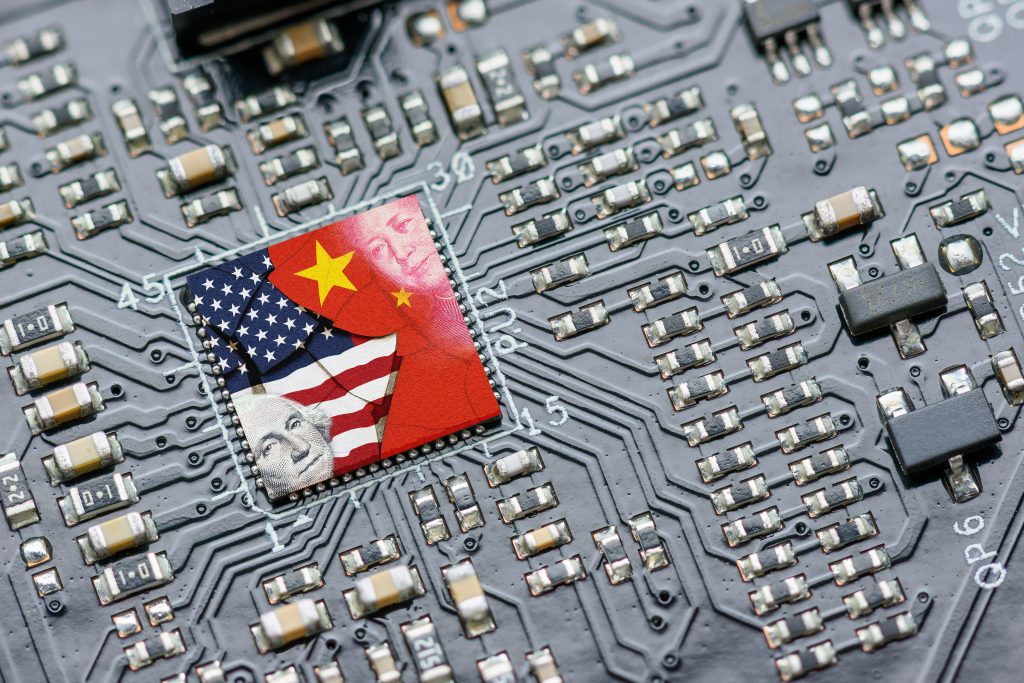
The Geopolitical Pressure Mounts on Nvidia
The competitive landscape for AI dominance has become a minefield of geopolitical accusations. According to reports from Tom's Hardware, Nvidia's leadership has firmly rejected allegations that the company assisted Chinese AI startup DeepSeek with training its models. The company's response underscores a critical tension: how to maintain open developer support while operating under increasingly stringent U.S. export controls.
Nvidia's Position on Developer Access
Nvidia executives have emphasized their commitment to supporting developers globally—a stance that directly contradicts accusations of selective assistance. The company argues that restricting access to its technology would be counterproductive and would inadvertently benefit foreign competitors by fragmenting the global AI ecosystem.
Key points from Nvidia's defense:
- Universal developer support: The company maintains it serves developers across all regions within legal compliance frameworks
- Export control compliance: Nvidia operates strictly within U.S. government restrictions on advanced chip sales to China
- Competitive logic: Limiting access would weaken the broader AI development community
The DeepSeek Question
Recent reporting indicates that DeepSeek has reportedly received conditional approval from the Chinese government to purchase Nvidia's AI GPUs, adding another layer to the controversy. This approval suggests that some Nvidia hardware flows to Chinese entities through official channels—a reality that complicates narratives of blanket restrictions.
The core allegation centers on whether Nvidia provided technical assistance beyond hardware sales, such as optimization guidance or training methodologies. Nvidia's rebuttal essentially argues that such claims misunderstand how the company operates: it sells hardware and software tools to customers who then use them independently.
The Broader Context
This dispute reflects deeper anxieties about AI supply chain security and technological sovereignty. The U.S. government has grown increasingly concerned about advanced AI chips reaching Chinese military or state-sponsored research institutions. However, distinguishing between legitimate commercial transactions and illicit technology transfer remains a persistent challenge.
Nvidia's position—that supporting all developers strengthens the ecosystem—carries both merit and risk:
- Merit: Open platforms accelerate innovation across regions and reduce fragmentation
- Risk: The company could face regulatory scrutiny if it appears to facilitate capabilities that benefit strategic competitors
What's at Stake
The company's defense reflects a broader industry challenge: balancing commercial interests with national security concerns. Nvidia generates substantial revenue from international markets, including China, and abruptly restricting access would damage its business model and competitive position against rivals like AMD.
Yet the geopolitical environment is shifting. U.S. lawmakers and agencies are increasingly skeptical of claims that American tech companies can maintain neutrality in a strategic competition with China. The accusations against Nvidia—whether substantiated or not—signal that this skepticism will intensify.
The Road Ahead
Nvidia's commitment to supporting all developers will likely face continued scrutiny. The company must navigate a narrowing corridor: maintaining enough international business to justify its valuation while demonstrating sufficient compliance with export controls to avoid regulatory backlash.
The DeepSeek allegations are ultimately a proxy for a larger question: Can American technology companies remain globally open while serving national security interests? Nvidia's answer—that universal developer support and strict legal compliance are compatible—will be tested repeatedly in the months ahead.


