
Nvidia Restarts H200 Production for China Amid Geopolitical Tensions
Nvidia has resumed manufacturing its H200 chip for Chinese customers after a weeks-long suspension, signaling a strategic recalibration in the high-stakes battle for AI chip dominance in the world's second-largest economy.
The Chip War Heats Up Again
The semiconductor battlefield just shifted. According to Axios, Nvidia has restarted production of its H200 accelerator chip for the Chinese market after suspending operations for several weeks. This move represents a critical juncture in the ongoing geopolitical struggle over AI infrastructure, where supply chain control has become as important as technological superiority.
The H200, Nvidia's flagship data center GPU, represents the cutting edge of AI training and inference capabilities. Its return to Chinese production lines signals that despite mounting U.S. export restrictions and regulatory pressure, Nvidia is doubling down on its presence in one of the world's most lucrative AI markets.
Why the Suspension Mattered
The temporary halt wasn't accidental. Nvidia faced mounting pressure from U.S. policymakers concerned about advanced chip exports to China, particularly as Beijing accelerates its own AI infrastructure buildout. The suspension lasted several weeks—long enough to send shockwaves through Chinese data centers and cloud providers dependent on Nvidia's technology.
According to Tom's Hardware, Nvidia has already received purchase orders from Chinese customers, indicating pent-up demand waiting to be fulfilled. This backlog likely influenced the decision to restart production, as leaving money on the table contradicts shareholder expectations.
The Strategic Calculation
Nvidia's restart reveals a delicate balancing act:
- Regulatory compliance: The H200 likely falls within export allowances, or Nvidia has secured necessary licenses
- Market preservation: Ceding the Chinese market entirely would hand competitors like Huawei an opening
- Supply chain resilience: Maintaining production relationships ensures Nvidia isn't completely shut out if regulations tighten further
The Register reports that the resumption reflects broader industry dynamics where U.S. companies are navigating a complex regulatory environment while trying to maintain global competitiveness.
What This Means for the AI Landscape
The H200's return to Chinese customers has ripple effects across the industry:
For Chinese AI companies: Access to Nvidia's latest hardware remains critical for training large language models and competing globally. The restart ensures they won't fall further behind in the AI race.
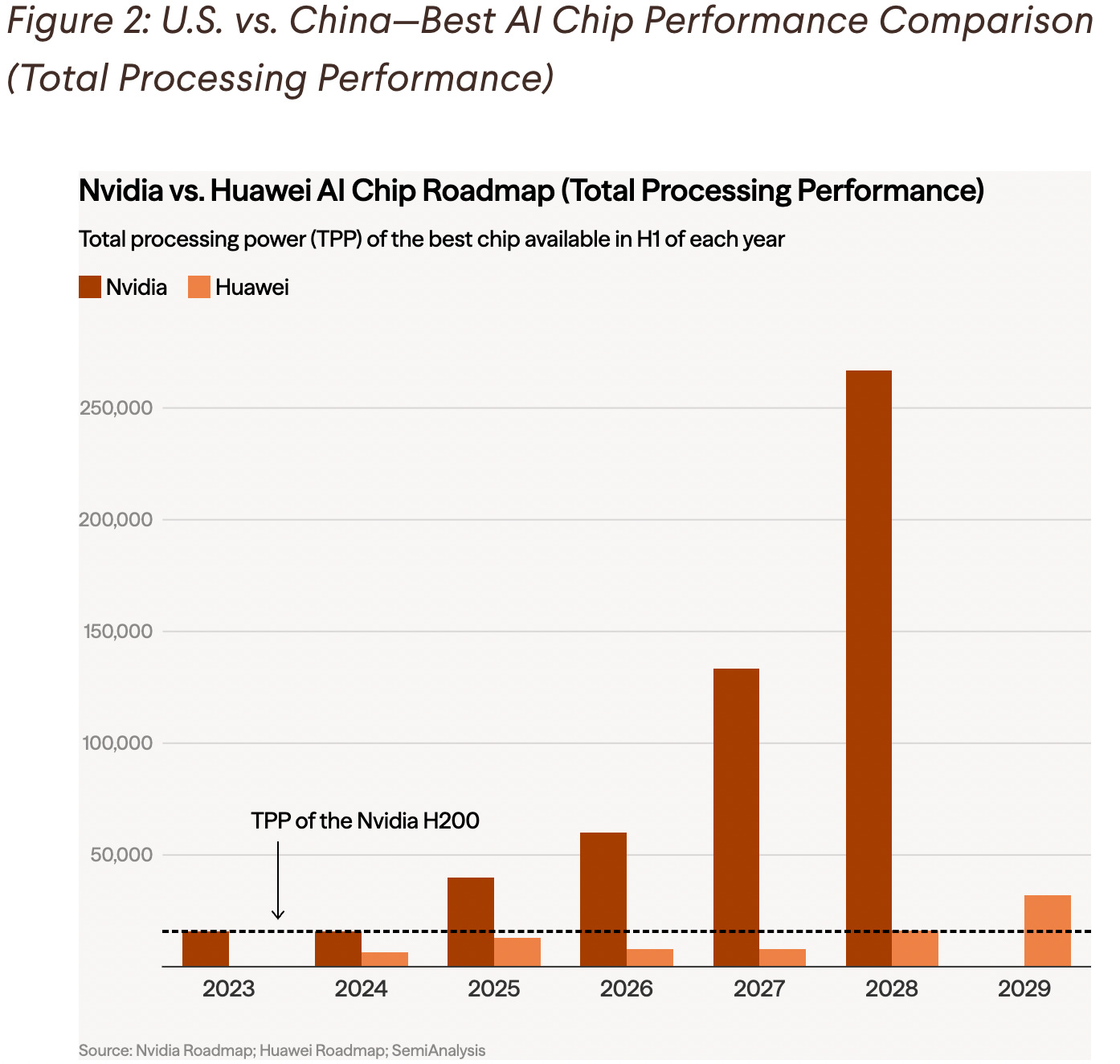
For Nvidia's competitors: Huawei and other Chinese chipmakers face renewed pressure to accelerate their own GPU development. Every month Nvidia supplies H200s is another month competitors have to catch up.
For U.S. policy: The restart tests the boundaries of current export restrictions. If regulators allow it to continue, it suggests the current framework permits strategic sales to China. If they clamp down, expect another suspension.
The Bigger Picture
This isn't simply about one chip or one company. The H200 restart exemplifies the fundamental tension in modern technology: globalized supply chains colliding with nationalist security concerns. China needs advanced chips to build its AI infrastructure. Nvidia needs Chinese revenue to fund R&D. The U.S. wants to maintain technological advantage without completely alienating a key market.
The weeks-long suspension was a warning shot. The restart is a calculated response. What happens next will depend on whether regulators view this as acceptable or a violation of the spirit—if not the letter—of export controls.
For now, Chinese data centers can breathe easier. Nvidia's H200s are flowing again. But in the chip war, temporary victories rarely stay temporary.


