
Nvidia's Open-Source Earth-2 Platform Reshapes AI Weather Forecasting
Nvidia launches Earth-2, an open-source AI platform for weather forecasting that combines advanced neural networks with physics-based modeling to deliver faster, more accurate predictions than traditional methods.
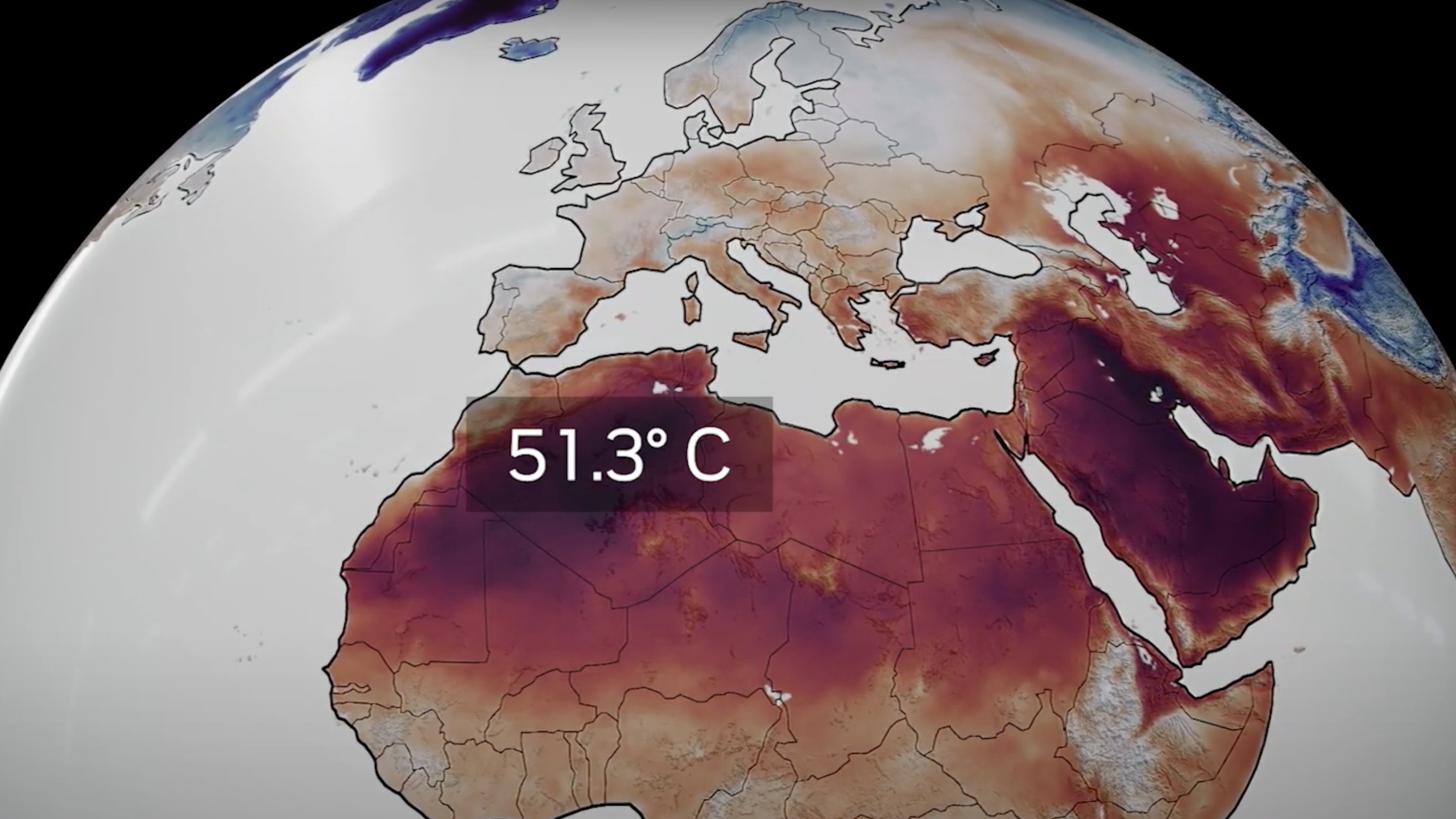
The Race for AI Weather Dominance Intensifies
The battle for computational supremacy in weather forecasting just shifted decisively. Nvidia has unveiled Earth-2, an open-source platform that fundamentally reimagines how AI can predict atmospheric conditions, moving beyond traditional meteorological models to harness the power of deep learning and physics-informed neural networks. This move signals a critical inflection point: weather forecasting is no longer the exclusive domain of government agencies and specialized meteorological institutions.
What Earth-2 Brings to the Table
According to Nvidia's technical documentation, Earth-2 represents a departure from conventional numerical weather prediction (NWP) systems. The platform integrates:
- FourCastNet3: A neural network architecture designed to generate weather forecasts at unprecedented speed
- Physics-informed constraints: Models that respect fundamental atmospheric laws while leveraging machine learning
- Multi-scale prediction capabilities: From local weather patterns to global climate dynamics
- Open-source accessibility: Enabling researchers and organizations worldwide to build custom forecasting applications
The platform's architecture allows it to process complex meteorological data and generate forecasts significantly faster than traditional supercomputer-based methods, while maintaining competitive accuracy levels.
Performance and Real-World Applications
The technical advantages are substantial. Nvidia's Earth-2 models demonstrate the capability to identify severe weather patterns weeks in advance, a significant leap over traditional forecasting windows. This extended predictive horizon has immediate implications for:
- Disaster preparedness: Earlier warnings for hurricanes, tornadoes, and extreme weather events
- Agricultural planning: More accurate seasonal forecasts for crop management
- Energy sector optimization: Better demand forecasting for renewable energy grids
- Climate research: Accelerated modeling of long-term atmospheric trends
The Open-Source Strategy
By releasing Earth-2 as open-source, Nvidia is democratizing access to advanced weather modeling capabilities, a departure from proprietary approaches that have historically concentrated this technology among well-funded institutions. This strategy serves multiple purposes: it accelerates innovation across the meteorological community, builds developer ecosystems around Nvidia's GPU infrastructure, and positions the company as a critical enabler of climate-tech solutions.
The open-source model also invites scrutiny and validation from the broader scientific community, which can only strengthen the platform's credibility and identify edge cases or limitations that proprietary systems might overlook.
Competitive Implications
This announcement arrives amid growing investment in AI-driven weather prediction. Other players—including Google DeepMind and various academic institutions—have pursued similar directions, but Nvidia's combination of computational infrastructure, software frameworks, and now open-source models creates a formidable competitive advantage. Organizations adopting Earth-2 gain not just forecasting tools but also deeper integration with Nvidia's GPU ecosystem, creating potential lock-in effects.
Looking Forward
The release of Earth-2 underscores a broader trend: traditional scientific computing domains are being transformed by AI and machine learning. Weather forecasting, long dominated by physics-based simulations, is now a proving ground for hybrid approaches that blend neural networks with domain expertise.
For meteorologists, climate scientists, and enterprises dependent on weather data, Earth-2 represents both opportunity and disruption. The platform's maturation could reshape how forecasting is conducted globally, shifting computational bottlenecks and enabling new applications previously constrained by processing power and model complexity.


