
Nvidia's Surgical Robotics AI Tools Transform Operating Room Precision at GTC 2026
Nvidia unveils advanced AI models for surgical robotics at GTC 2026, enabling surgeons to leverage physical AI for enhanced precision, faster training, and seamless clinical integration.
The Race for Surgical AI Supremacy Just Accelerated
The operating room is becoming an AI battleground. While competitors scramble to integrate machine learning into surgical workflows, Nvidia has released open physical AI models specifically designed for healthcare robotics, fundamentally reshaping how surgeons train and perform complex procedures. This isn't incremental progress—it's a paradigm shift that puts real-world surgical precision within reach for institutions of all sizes.
What Nvidia Actually Delivered
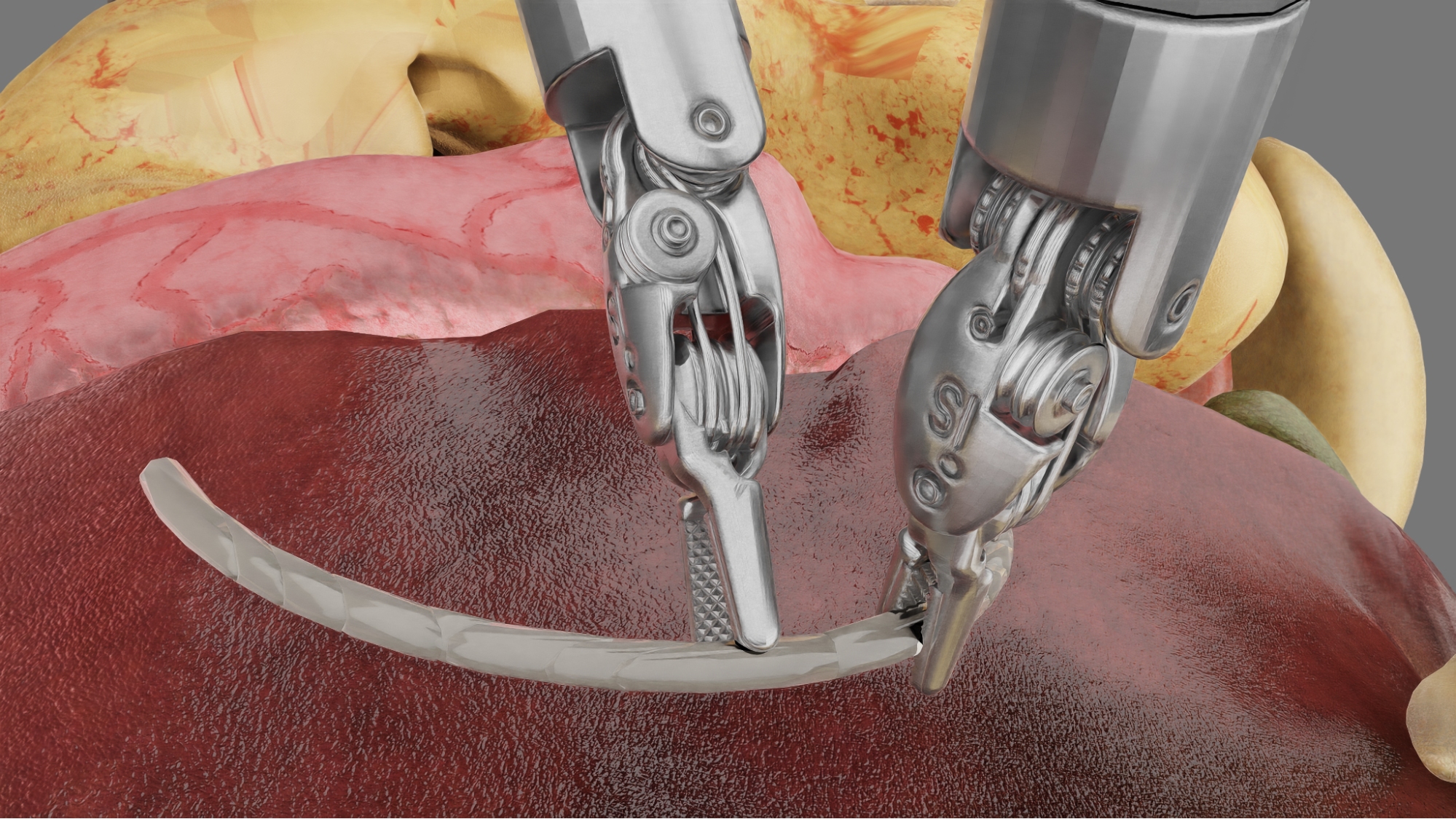
At GTC 2026, Nvidia and global robotics leaders brought physical AI to the real world, introducing a suite of tools that bridge the gap between simulation and surgical reality. The platform focuses on three core capabilities:
- AI-Driven Simulation: Advanced tissue retraction and surgical task modeling enable surgeons to practice complex procedures in digital environments before operating on patients
- Physical AI Models: Open-source frameworks that allow robotics manufacturers to build proprietary surgical systems without reinventing foundational AI architecture
- Real-World Validation: Integration pathways that move trained models directly into clinical settings with minimal friction
Practitioner Benefits: Why Surgeons Should Care
For surgical teams, the practical advantages are substantial:
Accelerated Training Pipelines: CMR Surgical has already advanced physical AI capabilities with Nvidia's technology, reducing the time required to train surgeons on new robotic platforms from months to weeks. This means faster adoption and reduced learning curves for operating room staff.
Precision at Scale: Next-generation training frameworks from CMR Surgical and Nvidia enable surgeons to achieve consistent, reproducible results across different anatomical scenarios and patient presentations—critical for complex procedures like minimally invasive cardiac surgery.
Cost-Effective Implementation: Rather than building custom AI models from scratch, hospitals can leverage Nvidia's open models, reducing development costs and time-to-deployment.
Integration and Onboarding: Getting Started
The onboarding process is designed for clinical realism:
- Simulation Environment Setup: Institutions integrate Nvidia's physical AI models into existing surgical simulation platforms
- Surgeon Certification: Teams use AI-enhanced training modules to validate competency before clinical deployment
- Robotic System Integration: Surgical robotics manufacturers embed Nvidia's models into their hardware, enabling autonomous assistance during live procedures
- Continuous Learning: The platform captures real surgical data to refine AI models over time, creating a feedback loop that improves outcomes
Nvidia's broader announcement at GTC 2026 highlighted partnerships across the healthcare robotics ecosystem, signaling that these tools are designed for interoperability, not vendor lock-in.
Pricing and Accessibility
While specific pricing tiers weren't disclosed in the initial announcements, Nvidia's open-source approach suggests a freemium model: basic physical AI models available to developers at no cost, with premium support, enterprise integrations, and specialized surgical modules available through commercial licensing. This democratizes access—smaller surgical centers can experiment with the technology before committing to enterprise deployments.
The Competitive Landscape
This move positions Nvidia as the infrastructure layer for surgical AI, similar to its dominance in data center computing. By providing foundational models rather than end-to-end surgical systems, Nvidia enables robotics manufacturers like CMR Surgical to compete on innovation rather than AI capability. It's a smart play that expands the total addressable market while cementing Nvidia's role as the essential technology partner.
What's Next
The real test comes in 2026-2027 as these tools move from conference demos to operating rooms. Surgeons and hospital administrators should watch for clinical validation studies, regulatory clearances, and real-world outcome data. The promise of AI-enhanced surgical precision is compelling—but execution in the high-stakes environment of patient care will determine whether this technology lives up to the hype.


