
OpenAI Secures Pentagon Deal with Ethical AI Safeguards
OpenAI announces a landmark deal with the Pentagon to deploy AI models with strict safety guardrails, banning surveillance and autonomous weapons.
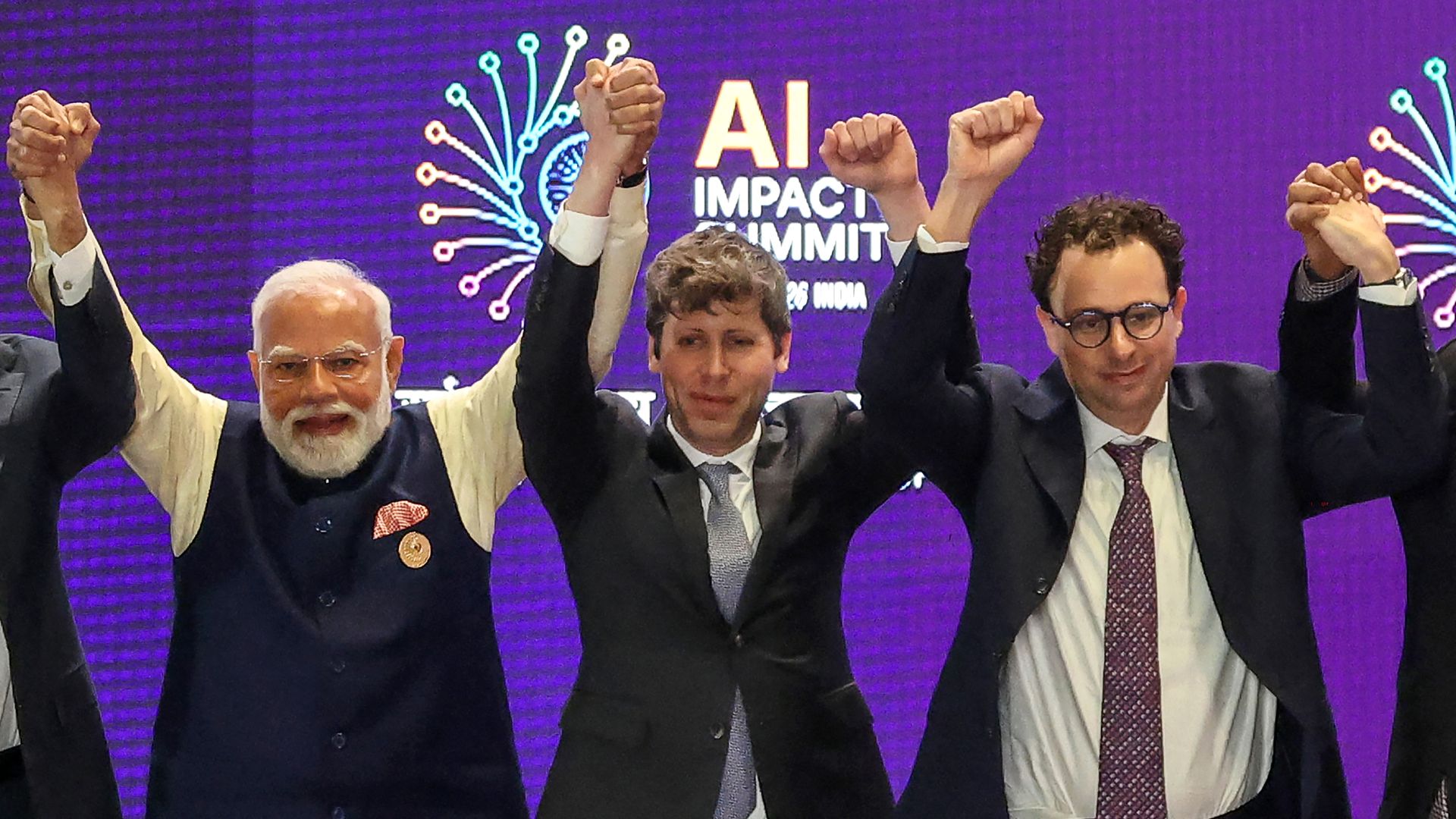
OpenAI Secures Pentagon Deal with Ethical AI Safeguards
OpenAI announced a significant agreement with the U.S. Department of War (DoW) on February 28, 2026, to deploy its advanced AI models in classified environments. This deal includes strict safety guardrails prohibiting mass domestic surveillance and autonomous weapons. CEO Sam Altman described the agreement as a model for responsible AI use in national security, following the collapse of Anthropic's contract negotiations, which led to a federal blacklist (Politico).
Key Features of the Agreement
- Cloud API Deployment: OpenAI's models will operate via cloud API in secure DoW networks, ensuring human oversight and preventing direct integration into weapons or sensors.
- Safety Guardrails: The agreement bans uses like mass domestic surveillance and fully autonomous weapons, with OpenAI retaining control over its "safety stack," including technical, policy, and personnel layers (TechCrunch).
- Human Oversight: Cleared OpenAI engineers and safety researchers will remain "in the loop," with the company holding termination rights for violations.
Background: Anthropic Fallout
The deal emerged after a breakdown in DoW-Anthropic talks. President Trump ordered a six-month phase-out of Anthropic's Claude models across federal agencies, labeling the firm a supply-chain risk after CEO Dario Amodei reportedly offended DoW leaders (Fortune). OpenAI executives highlighted that Anthropic's refusal stemmed from terms lacking robust enforcement.
OpenAI's National Security Track Record
OpenAI's entry into military contracts marks a cautious evolution. Initially avoiding such deals, the company pivoted by mid-2025, securing non-classified DoD deals for administrative AI and cybersecurity, achieving 30-40% efficiency gains in simulations (Politico).
Competitive Landscape
| Company | Key Strengths | Government Status | Safety Stance |
|---|---|---|---|
| OpenAI | Top benchmarks; cloud scalability | New classified deal with guardrails | Multi-layer enforcement |
| Anthropic | Claude's safety focus; enterprise trust | Blacklisted; 6-month phase-out | Refused terms lacking enforcement |
| xAI (Musk) | Real-time data integration; DoD ties | Active non-classified contracts | Minimal public guardrails |
| Google DeepMind | Multimodal AI for reconnaissance | Limited pilots; ethical reviews ongoing | Usage policies only |
Geopolitical Context
The timing of this agreement aligns with escalating AI arms race pressures. China and Russia's integration of AI into drones and cyber operations has prompted U.S. urgency for a domestic edge (OpenAI).
Broader Implications
This deal tests public-private AI boundaries, blending commercial innovation with defense needs. Success could standardize safeguards, boosting U.S. capabilities in threat detection without ethical lapses. Failure risks eroding trust, fueling calls for regulation.
OpenAI urges universal terms, but Anthropic's silence and xAI's ascent suggest fragmentation. As adversaries advance, the pact underscores AI's dual-use inevitability—guardrails or not.


