OpenAI's Codex App Surges to 1 Million Downloads in Record Time
OpenAI's Codex application has reached 1 million downloads in its first week, signaling explosive demand for AI-powered coding tools and intensifying competition in the developer productivity space.
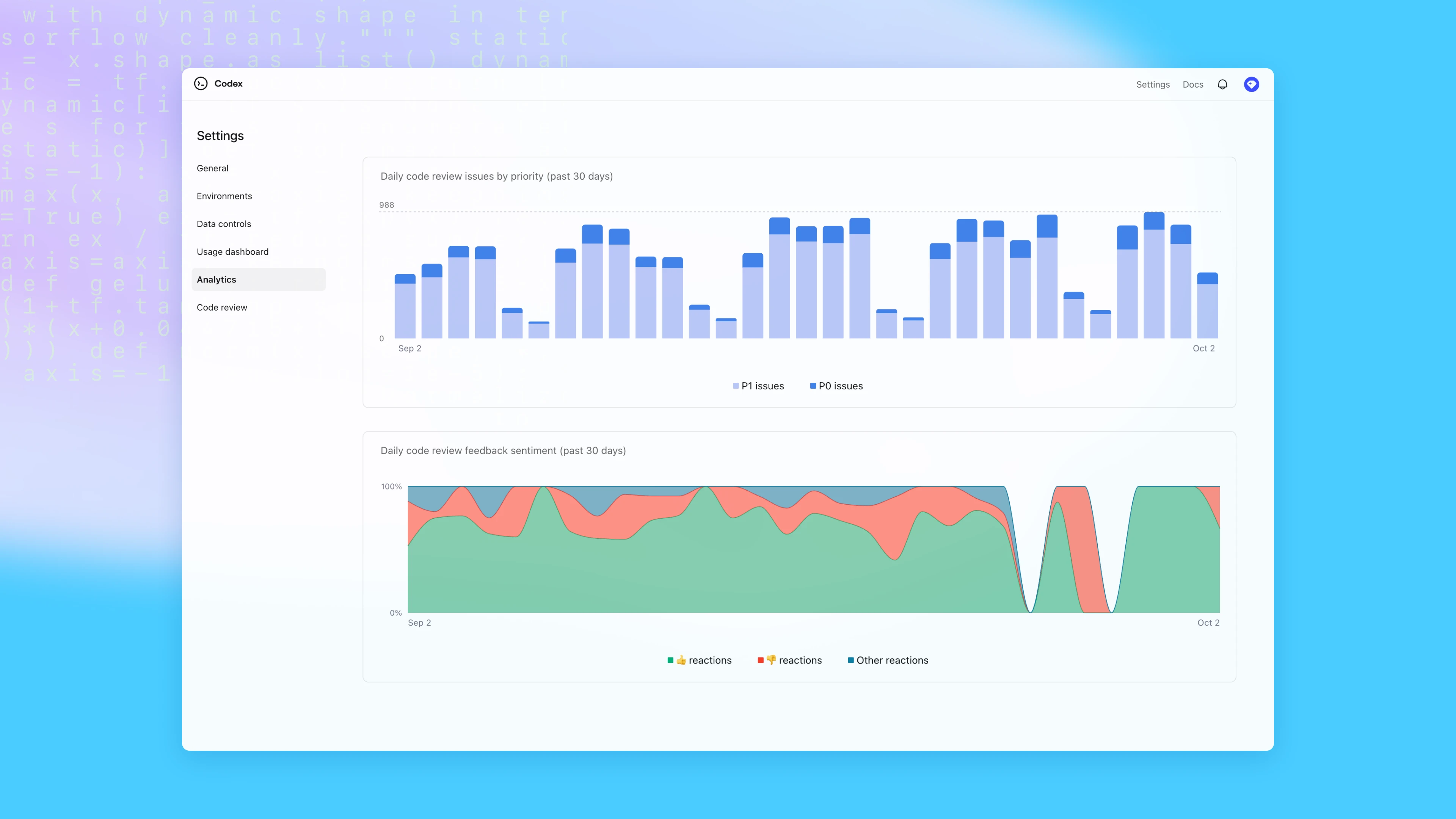
The No-Code Revolution Accelerates
The race for AI-powered developer tools just entered a new phase. OpenAI's Codex app has exploded to 1 million downloads in its first week of availability, marking one of the fastest adoption curves for a developer-focused AI application. This milestone underscores a fundamental shift in how engineers approach coding—and raises critical questions about the future of traditional development workflows.
The velocity of adoption isn't accidental. According to OpenAI leadership, the strong demand reflects genuine market hunger for coding models that can translate natural language into functional code. Developers are no longer experimenting with AI assistance—they're actively integrating it into their daily workflows at scale.
What's Driving the Surge?
Several factors converge to explain this explosive growth:
- Accessibility: The standalone Codex app removes friction from adoption, offering a dedicated interface rather than requiring integration into existing IDEs
- Proven Track Record: Codex has demonstrated real-world utility since its initial release, building credibility within developer communities
- Market Timing: As enterprises accelerate AI adoption, developer tools represent a high-ROI investment category
- Competitive Pressure: The broader AI coding landscape—including Claude and other models—has validated demand, lowering skepticism
The no-code revolution narrative is gaining momentum across tech media, with Codex positioned as a flagship application in this shift. However, the framing deserves scrutiny: this isn't truly "no-code"—it's code generation at scale, which carries different implications for code quality, security, and maintainability.
Market Context and Competitive Dynamics
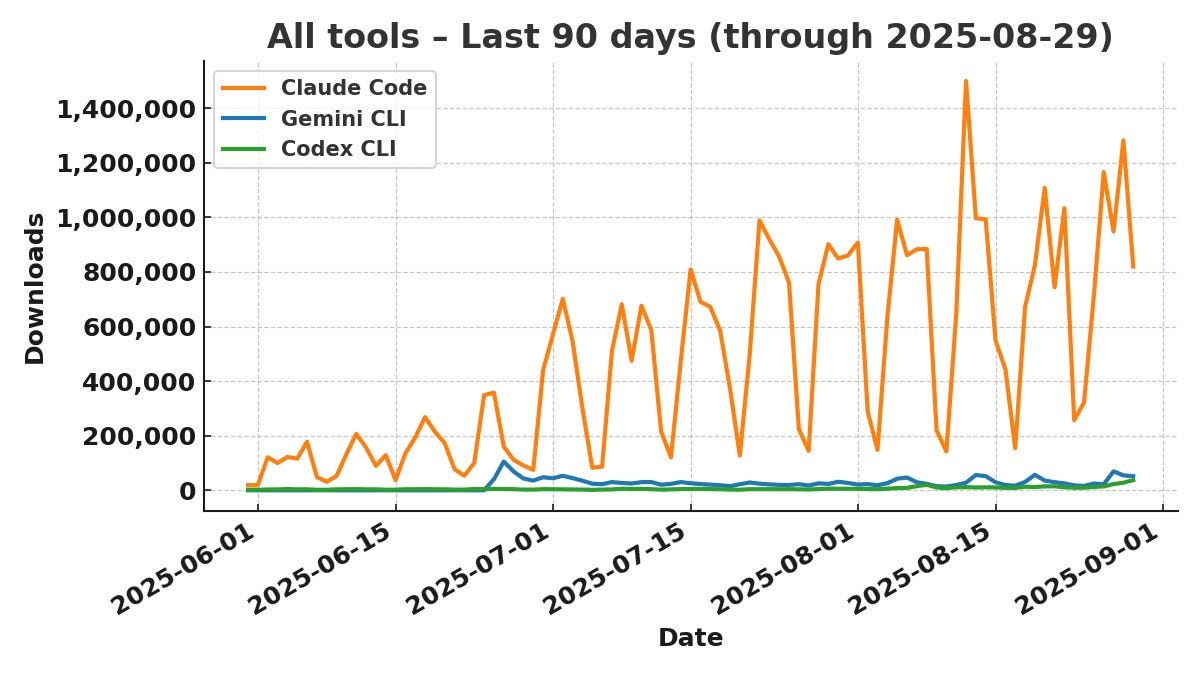
The 1 million download milestone arrives amid intensifying competition in AI-assisted development. Industry observers note that npm install trends show significant adoption momentum for AI agent CLIs, with multiple players vying for developer mindshare. Codex's rapid adoption suggests OpenAI's brand strength and API maturity provide meaningful advantages.
However, raw download numbers don't tell the complete story. Retention rates, actual usage frequency, and integration depth remain critical unknowns. A million downloads could represent genuine daily usage or a wave of curious developers who tried the tool once.
Technical and Strategic Implications
The Codex surge has broader implications for the developer ecosystem:
For enterprises: AI-powered coding tools are transitioning from experimental to production-ready, requiring security and governance frameworks.
For individual developers: The productivity gains are real, but dependency on closed-source models introduces vendor lock-in risks.
For code quality: Automated code generation at scale raises questions about testing, documentation, and long-term maintainability that the industry is still grappling with.
Coverage across tech publications reflects growing mainstream recognition of Codex's significance, though skepticism about sustainability and real-world impact persists in technical communities.
What's Next?
The 1 million download milestone is a data point, not an endpoint. The real test lies ahead: can Codex convert casual users into committed practitioners? Will enterprises adopt it at scale, or will concerns about code quality and security limit penetration?
OpenAI has demonstrated the ability to build products that capture developer attention. Whether Codex becomes infrastructure or remains a productivity novelty depends on execution, pricing, and the company's ability to address legitimate concerns about AI-generated code in production environments.
The no-code revolution narrative may be overstated, but the shift toward AI-assisted development is undeniable. Codex's rapid adoption is a signal—not a conclusion.