
OpenAI's Education for Countries Initiative Expands AI Access Across Eight Nations
OpenAI launches Education for Countries initiative to integrate AI tools into national education systems across eight nations, aiming to close the global AI capability gap while raising questions about data governance and market expansion.
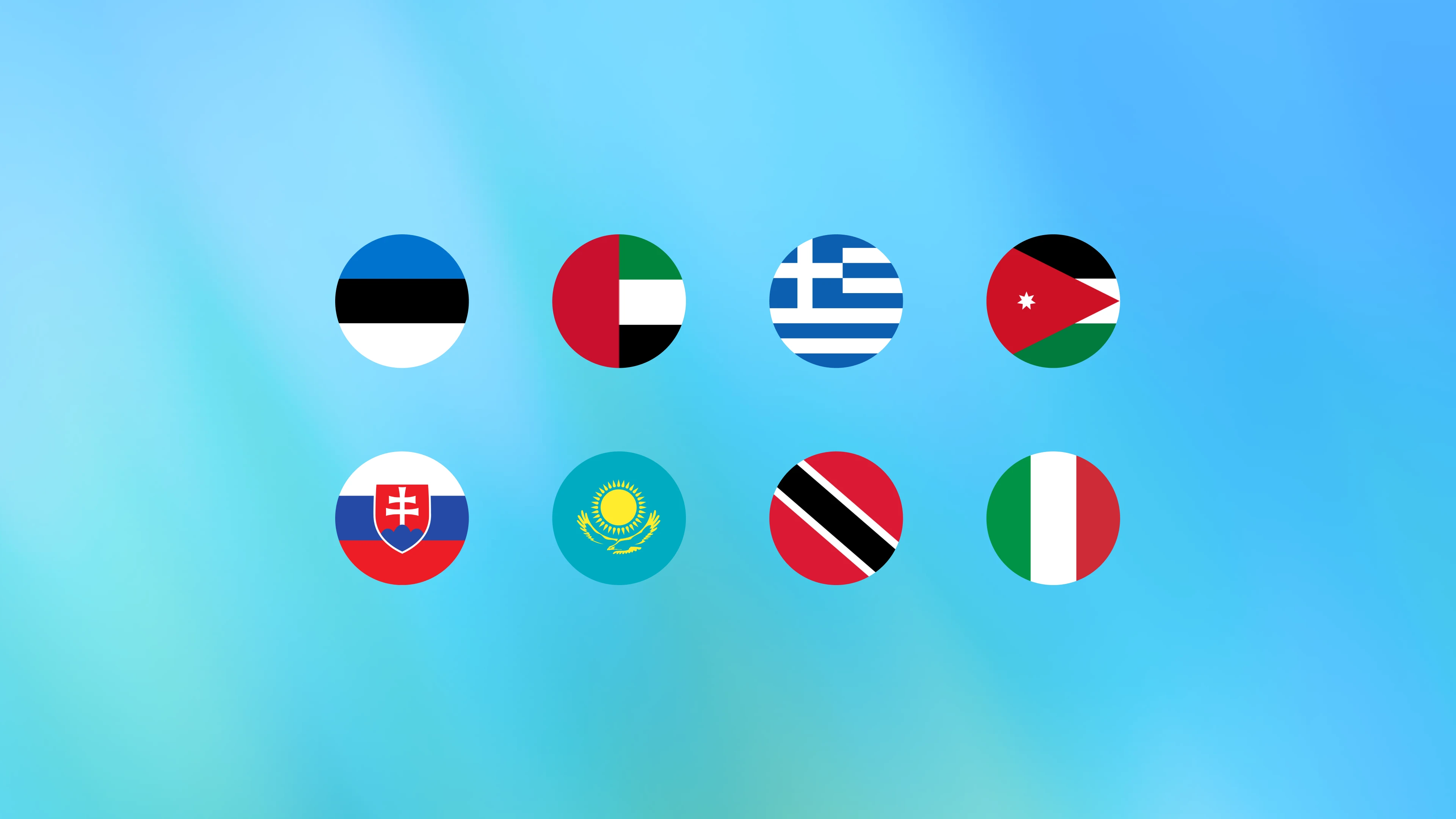
The Global AI Divide Narrows—But Questions Remain
The race to democratize artificial intelligence just shifted into a new gear. OpenAI has launched "Education for Countries," a structured initiative designed to integrate AI tools directly into national education systems across eight countries. The move signals a strategic pivot: rather than waiting for individual institutions to adopt AI, OpenAI is now working with governments to embed these tools at scale—a departure from the company's traditional market-driven approach.
This initiative arrives at a critical moment. While wealthy nations and elite institutions race ahead in AI adoption, developing economies risk falling further behind in the global capability gap. According to OpenAI's own analysis, this "capability overhang" represents a genuine threat to economic competitiveness and educational equity. The Education for Countries program attempts to address this head-on.
How the Program Works
The initiative operates on a partnership model between OpenAI and participating governments. The program was announced at Davos, positioning it as a centerpiece of global AI governance discussions.
Key components include:
- Curriculum Integration: AI tools are embedded into existing educational frameworks rather than bolted on as supplements
- Teacher Training: Professional development programs help educators leverage AI effectively in classrooms
- Local Customization: Each country adapts the program to its specific educational priorities and cultural context
- Infrastructure Support: OpenAI provides technical guidance to ensure systems can handle deployment at national scale
The participating countries represent diverse regions and development levels, suggesting OpenAI is pursuing a genuinely global strategy rather than focusing solely on wealthy markets.
Strategic Implications for OpenAI
This move carries significant business logic beneath the educational mission. By embedding AI tools into national curricula, OpenAI creates long-term user habits and dependency relationships. Students trained on ChatGPT and related tools become future professionals and consumers locked into the OpenAI ecosystem.
However, the company also faces skepticism. According to reports, the initiative requires substantial commitments from participating nations—not just in adoption but in data governance and privacy frameworks. Questions linger about data handling, algorithmic bias in educational contexts, and whether AI tools genuinely improve learning outcomes or simply automate existing pedagogical approaches.
The Broader Context
The Education for Countries program doesn't exist in isolation. It reflects a broader trend of AI companies seeking to shape institutional infrastructure before regulation solidifies. OpenAI's framing emphasizes capability building and economic development, but the underlying strategy is unmistakably about market expansion and ecosystem lock-in.
Notably, the initiative includes partnerships with organizations like the Gates Foundation, lending credibility but also raising questions about whose vision of "effective education" is being implemented globally.
What's Next
The real test will be implementation. Educational systems move slowly, and integrating AI tools at scale requires more than technology—it demands teacher buy-in, curriculum redesign, and measurable outcomes. Early documentation suggests OpenAI is committed to transparent evaluation, though independent assessment will be crucial to verify whether the program delivers on its equity promises or simply extends OpenAI's market dominance into new territories.
The eight-country rollout represents a significant bet on AI's educational value. Whether it becomes a model for responsible AI deployment or a cautionary tale about corporate influence in public systems remains to be seen.


