
OpenAI's Robotics Push: Building AI Systems That Learn From Video
OpenAI is advancing humanoid robotics through a dedicated lab focused on training systems that learn from visual data, signaling a major pivot toward physical AI applications alongside its compute infrastructure expansion.
The Race for Physical AI Heats Up
The competition for dominance in artificial intelligence is no longer confined to data centers and language models. OpenAI's renewed push into robotics reflects a critical industry shift: the race to embed AI into the physical world. While competitors like Tesla and Boston Dynamics have long invested in humanoid systems, OpenAI's entry into this space—backed by its substantial computational resources and research capabilities—represents a significant escalation in the broader battle for AI supremacy.
The company has established a dedicated robotics lab focused on training humanoid systems, marking a departure from its historical emphasis on language models and large-scale AI infrastructure. This move signals that OpenAI sees physical robotics as integral to the future of artificial intelligence, not as a tangential research effort.
Learning From Video: A New Training Paradigm
One of the most compelling developments in this space comes from OpenAI-backed startups demonstrating that robots can learn by watching videos, much like humans do. This approach—visual learning from unstructured data—represents a fundamental shift in how robotic systems are trained.
Rather than relying on hand-coded instructions or extensive manual programming, these systems leverage the same visual understanding capabilities that power OpenAI's multimodal AI models. The implications are substantial:
- Scalability: Robots can learn from vast repositories of video data without requiring custom training for each task
- Generalization: Systems trained on diverse visual inputs can adapt to novel environments and scenarios
- Efficiency: Reduces the engineering overhead traditionally required for robotic automation
This approach aligns with OpenAI's broader AI philosophy—using large-scale data and compute to train systems that generalize across domains.
Infrastructure Meets Innovation
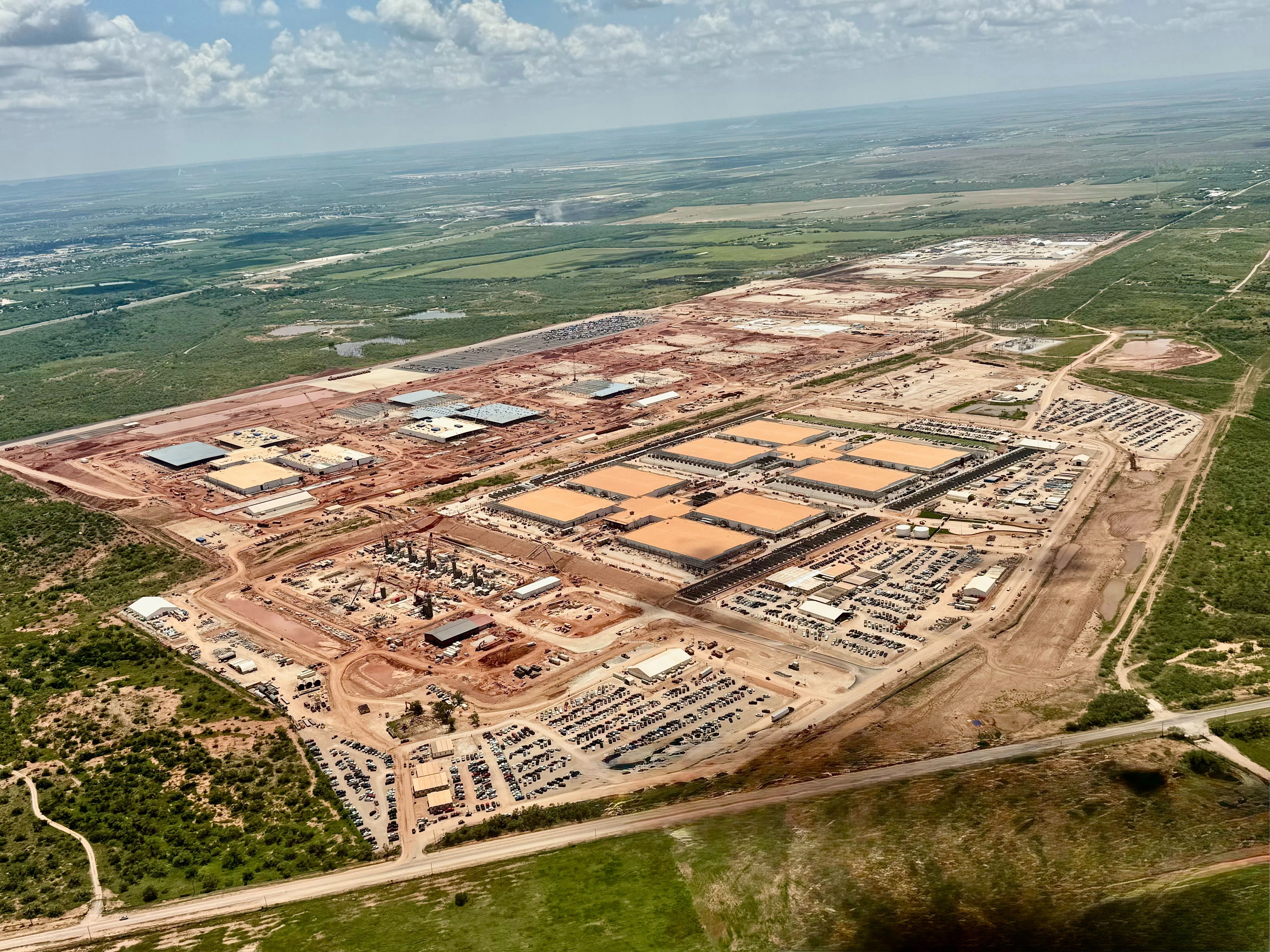
OpenAI's robotics ambitions cannot be separated from its massive infrastructure investments. The company's commitment to strengthening the U.S. AI supply chain includes partnerships with Oracle and SoftBank to build data centers capable of powering next-generation AI systems. These computational resources are essential for training the large models that enable sophisticated robotic control.
The synergy is clear: massive compute enables better foundational models, which in turn enable more capable robotic systems. OpenAI is effectively building the full stack—from infrastructure to algorithms to physical applications.
What This Means for the Industry
OpenAI's robotics lab represents more than a research initiative; it's a strategic positioning move. The company is signaling that it views physical AI as a multi-trillion-dollar opportunity comparable to or exceeding the value of language models. This has immediate competitive implications:
- Talent acquisition: Top robotics researchers will be drawn to OpenAI's resources and scale
- Startup ecosystem: OpenAI-backed ventures will have preferential access to cutting-edge models and compute
- Standards setting: OpenAI's approaches to robot training could become industry benchmarks
The humanoid robotics market remains nascent but rapidly expanding. Companies like Tesla, Boston Dynamics, and Figure AI are already deploying prototypes in real-world settings. OpenAI's entry, backed by its research prowess and computational capacity, raises the stakes significantly.
The Broader Context
This robotics push must be understood within OpenAI's larger strategic vision. The company is not simply adding robotics as a new product line; it's positioning AI as a technology that operates across digital and physical domains. From language models to image generation to robotic control, OpenAI is building a comprehensive AI platform.
The robotics lab is still in early stages, and concrete commercial applications remain limited. However, the trajectory is clear: OpenAI is betting that the future of AI is embodied—systems that don't just process information but act in the world. Whether this bet pays off will depend on technical breakthroughs, market adoption, and the company's ability to translate research into deployable systems.


