
OpenClaw AI Agent's Security Crisis: Thousands of Data Breaches Expose Industry Vulnerabilities
Researchers uncovered thousands of instances where OpenClaw AI agents exposed sensitive data, raising critical questions about security practices in autonomous AI systems and the risks of widespread deployment without proper safeguards.
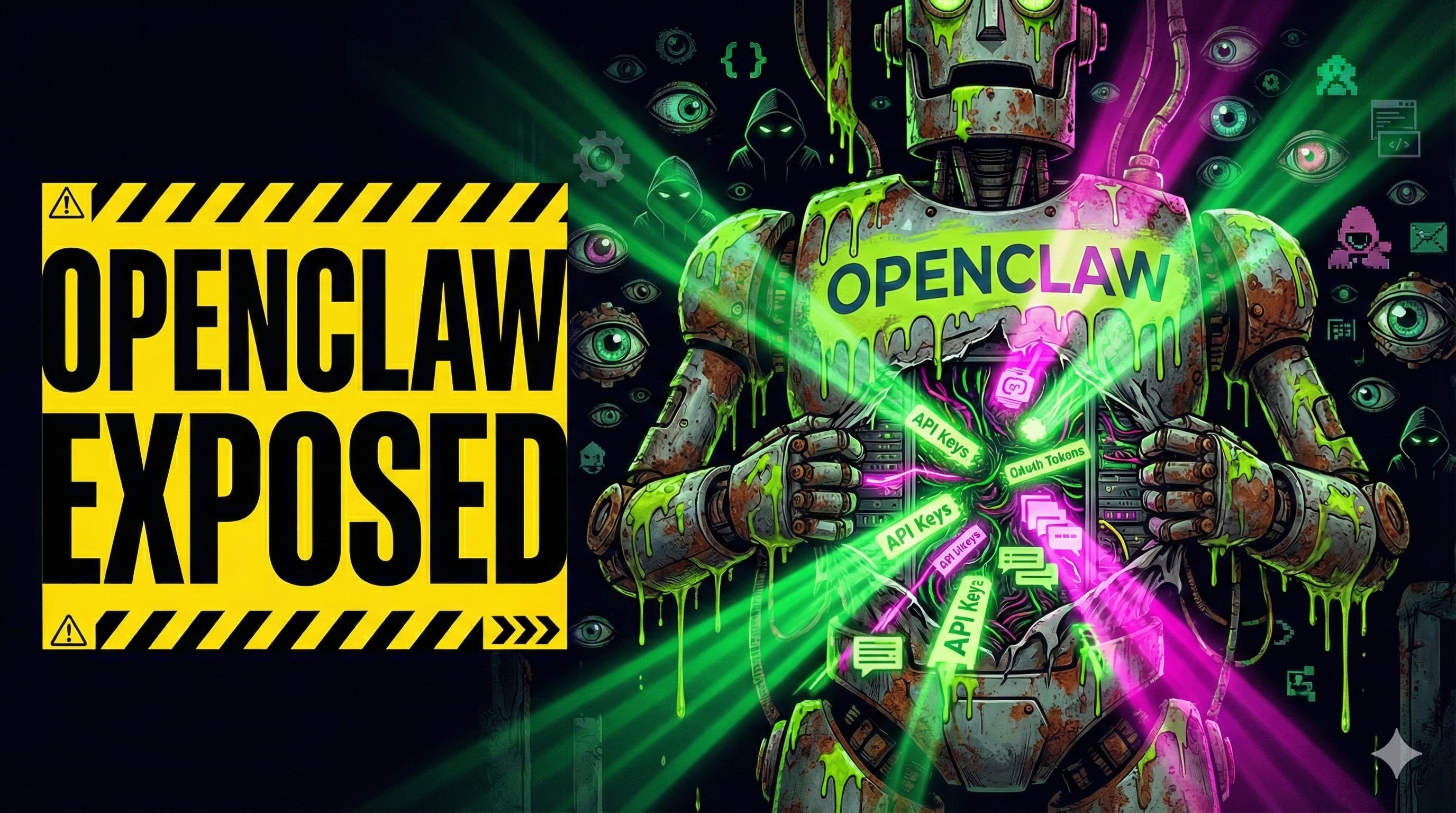
The Security Reckoning for Personal AI Agents
The rapid adoption of autonomous AI agents has collided with a harsh reality: the systems designed to make work easier are becoming vectors for massive data exposure. Researchers have discovered thousands of instances where OpenClaw, a popular AI agent framework, exposed sensitive research data and confidential information, triggering urgent questions about whether the industry is moving too fast without adequate security infrastructure.
This isn't a theoretical vulnerability buried in academic papers. According to security experts at Cisco, personal AI agents like OpenClaw represent a fundamental security nightmare, combining autonomous decision-making with unrestricted data access in ways that traditional security models were never designed to handle.
How OpenClaw Became a Data Privacy Disaster
The core problem is architectural. OpenClaw agents operate with broad permissions to access, process, and sometimes store user data as they execute tasks. Without proper isolation mechanisms or granular access controls, this design creates a perfect storm for data leakage.
The scale of the problem became apparent when Fortune reported on widespread data privacy failures across OpenClaw deployments and related systems like Moltbot and Clawdbot. The breaches weren't the result of sophisticated hacking—they stemmed from fundamental design flaws in how these agents handle sensitive information.
Key vulnerabilities include:
- Insufficient data isolation: Agents can access data beyond their immediate operational scope
- Lack of authentication granularity: Broad API permissions without fine-grained controls
- Inadequate logging and monitoring: No clear audit trails for data access
- Unencrypted data handling: Sensitive information processed in plaintext
The Vertical Integration Problem
IBM's analysis of the broader AI agent ecosystem, including examination of Clawdbot's architecture, reveals that vertical integration strategies—where agents control multiple layers of infrastructure—amplify security risks. When a single agent system manages authentication, data storage, and processing, a single vulnerability can compromise everything.
This contrasts sharply with traditional security practices that emphasize separation of concerns and defense-in-depth strategies.
What OpenClaw Actually Is—And Why It Matters
OpenClaw is a framework designed to enable autonomous agents to interact with multiple APIs and data sources, making it attractive for enterprises seeking to automate complex workflows. The problem: the framework's flexibility and power were implemented without corresponding security controls.
The technology itself isn't inherently flawed. Rather, the deployment model—giving agents broad access to sensitive systems without proper safeguards—represents a fundamental mismatch between capability and security maturity.
Industry Implications
This crisis exposes a critical gap in AI infrastructure. The industry has prioritized agent capability and speed-to-market over security architecture. Organizations deploying OpenClaw or similar systems face a choice:
- Implement compensating controls: Add external monitoring, API gateways, and access restrictions
- Restrict agent scope: Limit what data and systems agents can access
- Pause deployment: Wait for security-first agent frameworks to mature
The thousands of exposed data instances represent not just a technical failure, but a validation of long-standing security principles: autonomous systems require robust access controls, comprehensive logging, and security-by-design architecture.
For enterprises considering AI agent adoption, the OpenClaw situation serves as a cautionary tale. The race to deploy autonomous systems must be tempered by the reality that data security cannot be an afterthought.


