
Pony.ai and Toyota Roll Out Mass-Produced Robotaxis in China
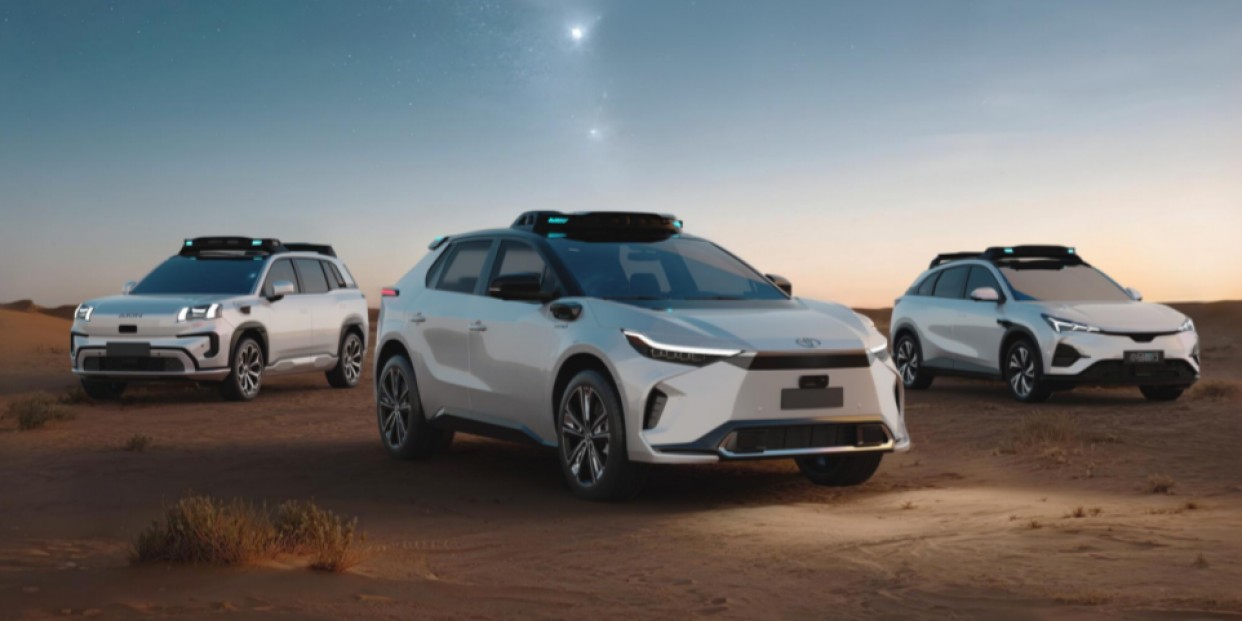
Pony.ai and Toyota have begun mass production of autonomous robotaxis in China, using the BZ4X platform to compete in the rapidly expanding autonomous vehicle market.
The Race for Autonomous Dominance Intensifies
The autonomous vehicle market just got more crowded—and more serious. Pony.ai and Toyota have officially launched mass production of robotaxis in China, marking a critical inflection point in the global competition for self-driving supremacy. This isn't a prototype showcase or a limited pilot program. This is full-scale manufacturing of autonomous vehicles hitting the road, and it signals that the robotaxi era is no longer theoretical—it's commercial.
The partnership represents a calculated move by both companies to capture market share in China, where regulatory frameworks for autonomous vehicles are advancing faster than in most Western markets. According to the companies' announcement, the mass-produced robotaxis are based on Toyota's BZ4X electric vehicle platform, combining the Japanese automaker's manufacturing expertise with Pony.ai's autonomous driving technology.
Technical Architecture and Platform
The BZ4X robotaxi represents a pragmatic engineering approach. Rather than developing custom hardware from scratch, the partnership leverages an existing EV platform—a strategy that accelerates time-to-market and reduces capital expenditure. The vehicles incorporate Pony.ai's autonomous driving stack, which has been refined through years of testing and real-world deployment across Chinese cities.
Key technical specifications include:
- Platform: Toyota BZ4X electric vehicle base
- Autonomous Technology: Pony.ai's proprietary self-driving software and sensor suite
- Production Scale: Mass manufacturing capability, not limited batch production
- Target Market: China's rapidly expanding autonomous mobility services sector
Market Context and Competitive Pressure
This move arrives amid intensifying competition in the autonomous vehicle space. Pony.ai and Toyota are advancing robotaxi commercialization at a moment when other players—including Tesla, Waymo, and Chinese competitors like Baidu and Didi—are also scaling their autonomous operations. The stakes are enormous: whoever establishes dominant market share in China's autonomous mobility sector could shape the global industry for decades.
The first mass-produced BZ4X robotaxis have already rolled off the production line, signaling that the companies have moved beyond development and into operational deployment. This is significant because manufacturing scale is where many autonomous vehicle companies have stumbled—proving you can drive autonomously is one challenge; building thousands of vehicles reliably is another.
Implications for the Industry
The partnership demonstrates several strategic realities:
-
Manufacturing matters: Pony.ai needed Toyota's production infrastructure to scale; Toyota needed Pony.ai's autonomous technology to compete in the self-driving market.
-
China is the proving ground: The decision to launch mass production in China first reflects both regulatory opportunity and market demand.
-
Platform consolidation: Using existing EV platforms rather than custom designs suggests the industry is moving toward pragmatism over moonshot engineering.
The launch of these mass-produced robotaxis represents a watershed moment—the transition from experimental autonomous vehicles to commercial fleet deployment. Whether this partnership can achieve the operational reliability and cost efficiency needed for profitable robotaxi services remains to be seen, but the fact that both companies are betting significant capital on this venture suggests they believe the market is ready.
The autonomous vehicle industry has moved from "if" to "when." Now it's about execution at scale.


