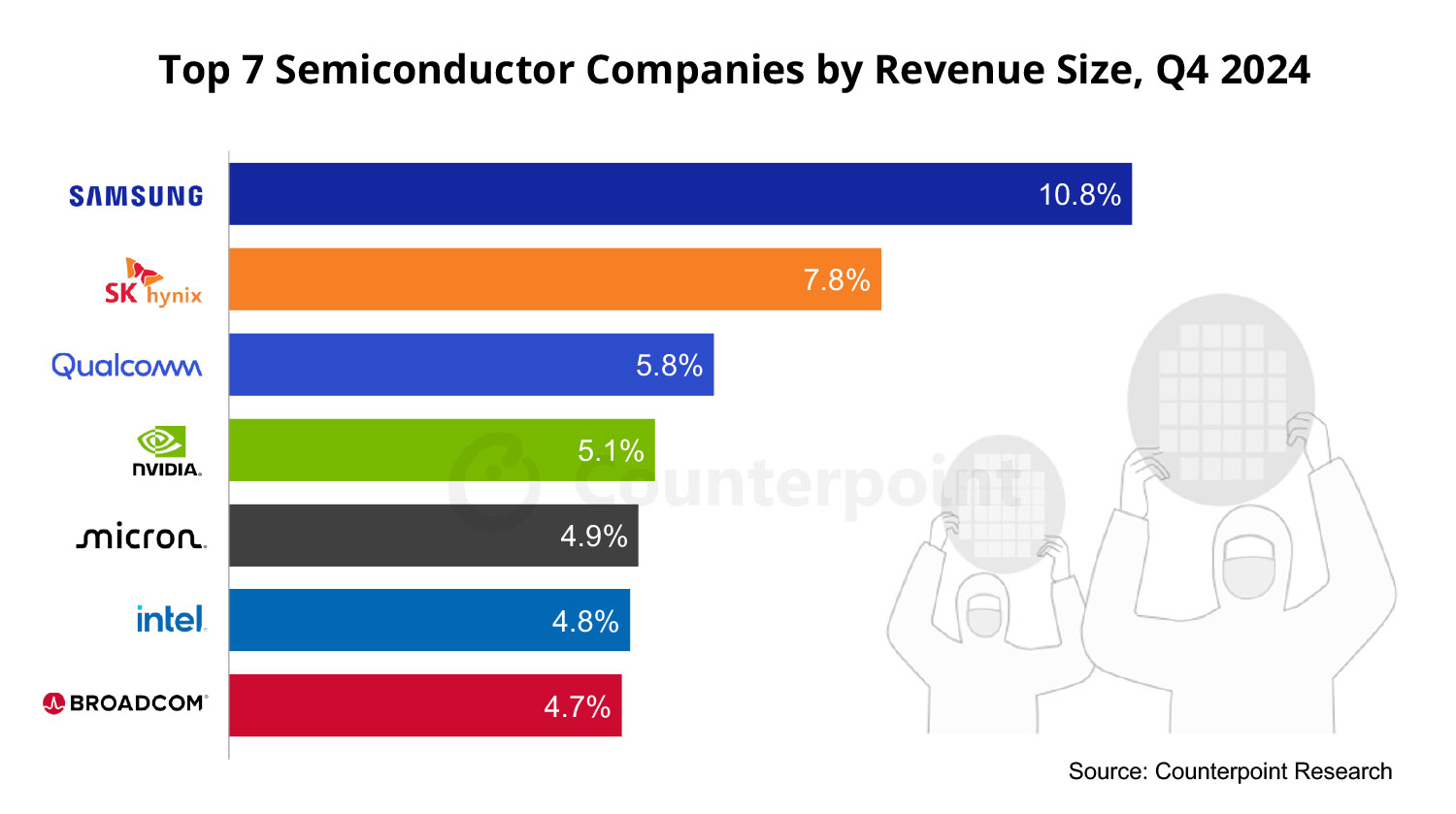
Samsung's Texas Chip Factory: A Direct Challenge to TSMC's Foundry Dominance
Samsung is moving aggressively into Tesla's chip supply chain with a new Texas facility targeting late 2027 production, intensifying competition in the semiconductor foundry market dominated by TSMC.
The Foundry Wars Heat Up
The global semiconductor foundry market just got more competitive. Samsung Electronics is planning to produce chips for Tesla at a new facility in Texas, with production expected to begin in late 2027, according to reports. This move represents more than a simple manufacturing contract—it signals Samsung's determination to capture a larger slice of the foundry market while directly challenging TSMC's near-monopoly on cutting-edge chip production.
For years, TSMC has dominated the foundry landscape, controlling the lion's share of advanced semiconductor manufacturing. Samsung's expansion into Tesla's supply chain marks a significant shift in the competitive dynamics, particularly as automakers increasingly demand localized chip production and supply chain resilience.
Why Texas? Strategic Positioning in the EV Ecosystem
The choice of Texas is deliberate. Tesla's manufacturing footprint in the state, combined with growing U.S. government incentives for domestic semiconductor production, makes the location strategically sound. Samsung's move toward establishing a second chip factory in Taylor reflects surging demand in the sector, according to industry reports.
Key factors driving this decision:
- Supply chain resilience: Reducing dependence on Asian manufacturing hubs
- Government incentives: U.S. CHIPS Act funding and tax credits
- Proximity to customers: Direct access to Tesla and other automotive clients
- Geopolitical considerations: Mitigating risks from U.S.-China tensions
The Timeline and Technical Implications
Samsung's plan targets late 2027 for production startup, giving the company roughly three years to complete construction, install equipment, and achieve operational readiness. This timeline is ambitious but achievable, given Samsung's existing foundry expertise and capital resources.
The facility will likely focus on automotive-grade semiconductors—chips that power Tesla's vehicle control systems, infotainment platforms, and autonomous driving hardware. These components require rigorous quality standards and reliability certifications, areas where Samsung has demonstrated competence.
Market Context: Challenging TSMC's Stranglehold
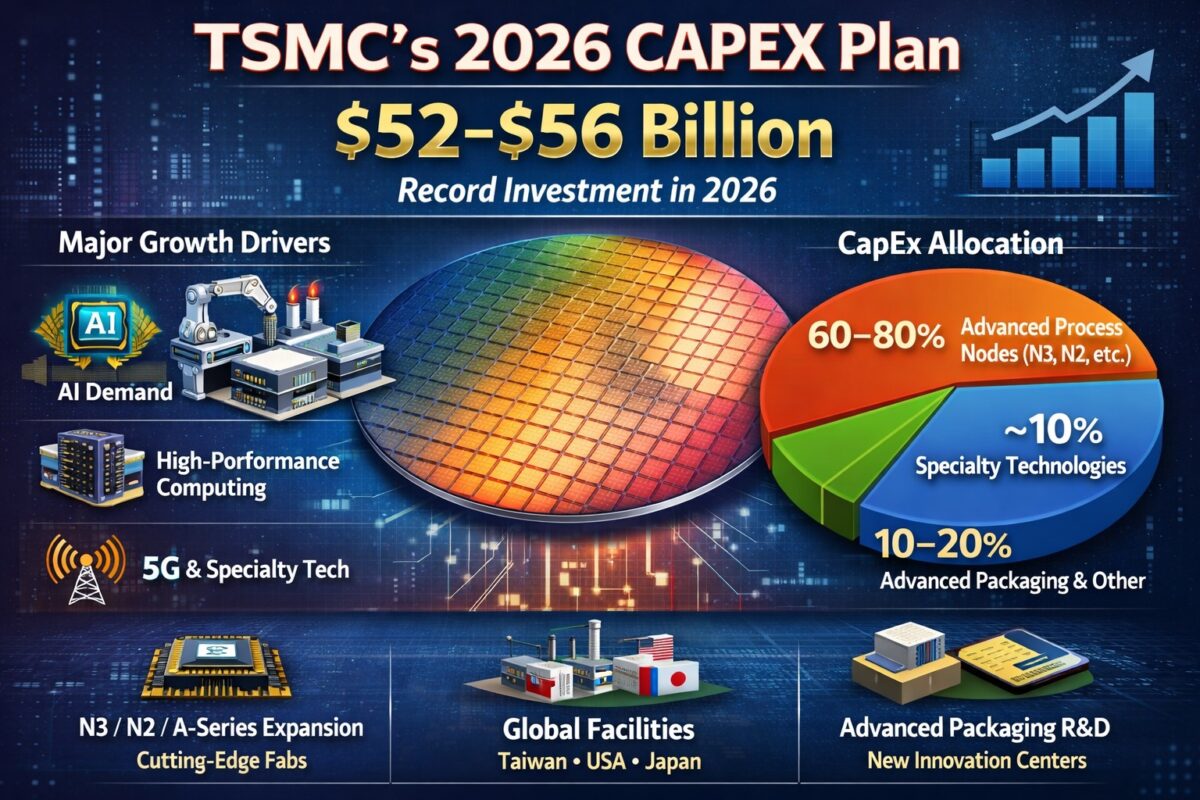
TSMC currently controls approximately 50-55% of the global foundry market, with Samsung holding a distant second place at around 15-20%. The competitive landscape in semiconductor foundry services remains heavily tilted toward TSMC, though Samsung has been steadily narrowing the gap through aggressive capacity expansion and strategic partnerships.
Samsung's Texas facility represents more than incremental growth—it's a calculated bet that regional manufacturing will become increasingly valuable as geopolitical tensions persist and customers demand supply chain diversification.
What This Means for the Industry
The announcement carries implications beyond Samsung and Tesla:
- Competitive pressure on TSMC: Losing exclusive access to major EV manufacturers could erode TSMC's pricing power
- U.S. semiconductor independence: Domestic production capacity strengthens national security and reduces reliance on Taiwan
- Industry consolidation: Smaller foundries may face pressure as Samsung and Intel invest heavily in capacity
Samsung's broader strategy to expand chip production capacity reflects confidence in long-term semiconductor demand, particularly from the automotive and AI sectors. Whether the company can execute on this ambitious timeline while maintaining quality standards will determine whether this facility becomes a genuine competitive threat to TSMC or remains a secondary player in the foundry ecosystem.