
Tesla's Autonomous Dominance: Can Musk Deliver on His 2026 Robotaxi Promise?
Elon Musk claims Tesla will lead the autonomous vehicle revolution with Cybercab production starting in 2026. But skeptics question whether the timeline is realistic amid regulatory hurdles and competition from legacy automakers and tech giants.
The Autonomous Vehicle Race Heats Up
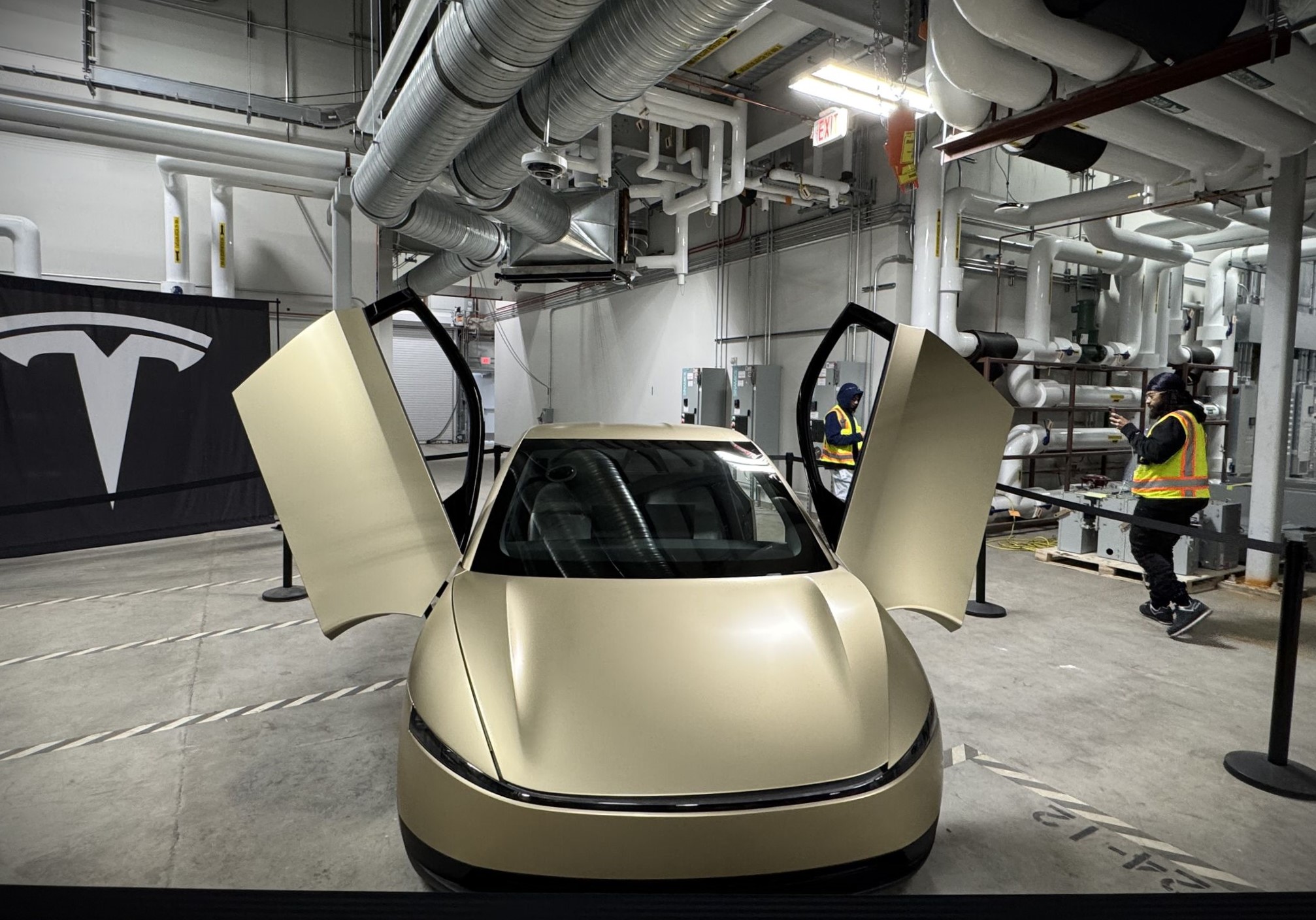
The autonomous vehicle industry stands at an inflection point. While traditional automakers and tech companies scramble to perfect self-driving technology, Elon Musk has doubled down on Tesla's position as the inevitable leader in autonomous transportation. According to Nasdaq reporting on Tesla's robotaxi plans, Musk has forecasted that Tesla will spearhead the industry with Cybercab production beginning in April 2026—a timeline that, if achieved, would fundamentally reshape mobility.
But can Tesla actually deliver? The answer hinges on three critical factors: technological maturity, manufacturing readiness, and regulatory approval.
Tesla's Autonomous Technology Foundation
Tesla's journey toward full autonomy began with Autopilot, its advanced driver assistance system, which has logged billions of miles of real-world data. This data advantage forms the backbone of Tesla's Full Self-Driving (FSD) capability, which the company has been refining for over a decade.
The Cybercab represents the logical evolution of this strategy—a purpose-built, autonomous-first vehicle designed without traditional controls. Unlike competitors retrofitting existing platforms, Tesla's approach prioritizes autonomous operation from the ground up.
Key technical considerations:
- Neural network training: Tesla's fleet generates continuous learning data, creating a feedback loop that competitors struggle to match
- Hardware redundancy: The Cybercab incorporates multiple sensor arrays and compute systems for safety-critical operations
- Software maturity: FSD's progression from beta to wider deployment demonstrates iterative improvement, though full autonomy remains unproven at scale
The Manufacturing and Timeline Question
Musk's 2026 production target is ambitious. According to Senate Commerce Committee analysis on autonomous vehicles, the industry faces significant hurdles in scaling autonomous production while maintaining safety standards and regulatory compliance.
Tesla has demonstrated manufacturing prowess with the Cybertruck and Model 3, but the Cybercab introduces new complexity:
- Specialized production lines: Autonomous vehicles require different assembly protocols than traditional cars
- Supply chain validation: New suppliers must meet stricter autonomous-vehicle standards
- Quality assurance: Testing autonomous systems at production scale is uncharted territory
The company's track record with timelines is mixed. While Tesla often beats expectations on innovation, production ramp timelines frequently slip.
Regulatory Headwinds and Competition
The regulatory environment remains fragmented. Federal oversight is evolving, but state-level approval for autonomous robotaxi operations varies dramatically. Tesla will need to navigate this patchwork while competitors—including Waymo, Cruise, and traditional automakers—advance their own autonomous programs.
According to recent YouTube analysis of Tesla's autonomous strategy, the company's advantage lies in its existing vehicle fleet and data infrastructure, not necessarily in regulatory relationships or traditional automotive partnerships.
The Skepticism Factor
Musk's track record on timelines warrants caution. His predictions on full autonomy have shifted repeatedly over the past five years. While additional technical commentary suggests Tesla's current FSD capabilities are advancing, the gap between advanced driver assistance and true, liability-bearing autonomy remains substantial.
The 2026 Cybercab launch date should be viewed as aspirational rather than guaranteed. Even if production begins on schedule, widespread deployment and profitability are separate challenges entirely.
The Bottom Line
Tesla's positioning in autonomous vehicles is formidable, but Musk's forecast of industry leadership depends on execution across manufacturing, software, and regulatory domains simultaneously. The Cybercab represents a bet-the-company moment—not because the technology is unproven, but because scaling autonomous production at Tesla's ambitions requires flawless coordination across multiple fronts.
Whether 2026 marks the beginning of Tesla's autonomous dominance or another delayed timeline remains the critical question for investors and the industry.


