
Tesla's Optimus Faces a Supply Chain Reality Check in China
Tesla's Optimus humanoid robot relies heavily on Chinese suppliers, even as the company faces intensifying competition from homegrown Chinese robotics firms. The dependency reveals a critical vulnerability in Tesla's supply chain strategy.
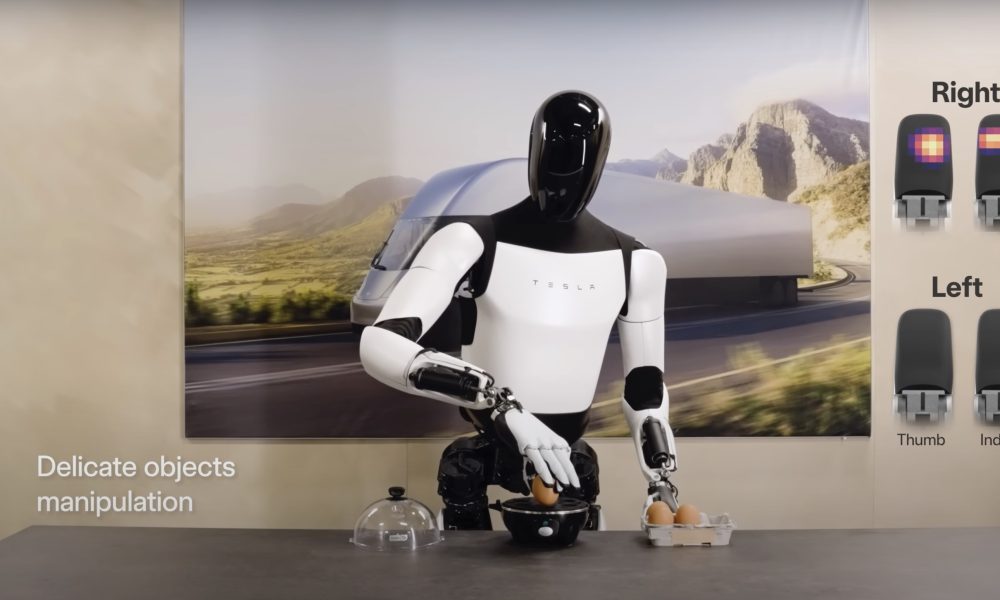
The Paradox at the Heart of Tesla's Robot Ambitions
Tesla's push to dominate the humanoid robot market is running headlong into an uncomfortable truth: the company's Optimus robot depends on a sprawling network of Chinese suppliers, even as Chinese competitors are rapidly closing the gap. This supply chain entanglement exposes a fundamental tension in Elon Musk's vision—the very nation that houses Tesla's competitors is also essential to building its most ambitious robot.
The irony cuts deeper when considering Musk's own assessment of the threat. According to recent statements, Musk has acknowledged that China has become the biggest competitor in the humanoid robot space, ushering in a new competitive reality. Yet Tesla remains tethered to Chinese manufacturing ecosystems for critical components that power Optimus.
The Supply Chain Backbone
Tesla's Optimus architecture relies on multiple layers of Chinese suppliers:
- Component manufacturing: Motors, actuators, and precision mechanical parts sourced from established Chinese manufacturers
- Electronics integration: Semiconductor components and control systems from regional suppliers
- Assembly partnerships: Manufacturing relationships that enable rapid iteration and scaling
Chinese humanoid robots have already begun pushing into the U.S. market, with competitors like Unitree and XPeng's humanoid offerings gaining traction. This acceleration underscores how the same supply chains that support Tesla also empower its rivals.
The Competitive Landscape Shifts
The market dynamics have shifted dramatically. Musk's warnings about Chinese competition reflect a broader recognition that the humanoid robot race is no longer a distant future concern—it's happening now. Chinese firms are leveraging their domestic supply chains, manufacturing expertise, and lower labor costs to accelerate development cycles.
What makes this particularly challenging for Tesla is the asymmetry: while Tesla depends on Chinese suppliers for Optimus components, Chinese competitors benefit from the same supply ecosystem while maintaining tighter vertical integration and lower operational costs. They're essentially using the same building blocks but with structural advantages in manufacturing efficiency.
Strategic Vulnerabilities
The reliance on Chinese suppliers creates several strategic risks:
- Geopolitical exposure: Trade tensions or export restrictions could disrupt component flows
- Competitive intelligence: Proximity to suppliers may inadvertently expose design and manufacturing strategies
- Cost pressure: As Chinese competitors scale, supplier relationships may shift or pricing dynamics could change
- Speed disadvantage: Chinese firms operating within the same supply chain ecosystem may move faster due to shorter logistics chains
The Path Forward
Tesla faces a strategic choice: either invest heavily in reshoring critical components to reduce Chinese supply chain dependency, or accept the current arrangement while racing to maintain technological superiority. The competitive intensity from Chinese humanoid robots suggests the window for decisive action may be narrowing.
The irony of Tesla's position—building robots to replace human workers while depending on the world's manufacturing powerhouse—highlights the complexity of modern supply chains. Optimus may ultimately succeed or fail not based on its engineering prowess alone, but on whether Tesla can navigate the geopolitical and competitive realities of its supply chain dependencies.
For now, Tesla remains caught between two imperatives: leveraging Chinese manufacturing excellence while racing against Chinese competitors who enjoy structural advantages within that same ecosystem.


