
The AI Reckoning: Why 2026 Will Test the Market's Resolve
Deutsche Bank warns that 2026 marks a critical inflection point for AI investments, as converging energy constraints, capital exhaustion, and regulatory pressures threaten the sector's explosive growth trajectory.
The AI Honeymoon Is Over
The relentless optimism that has fueled AI valuations for the past two years is about to collide with hard reality. According to Deutsche Bank's latest analysis, 2026 will emerge as the most challenging year yet for artificial intelligence development and investment—a watershed moment when the sector transitions from hype-driven expansion to profitability scrutiny.
This isn't a prediction rooted in pessimism. Rather, Deutsche Bank identifies a "confluence of risks" converging simultaneously: energy infrastructure bottlenecks, capital allocation discipline, and mounting regulatory headwinds. The bank's outlook suggests that 2026 will separate genuine AI progress from speculative excess.
The Energy Crisis Looming
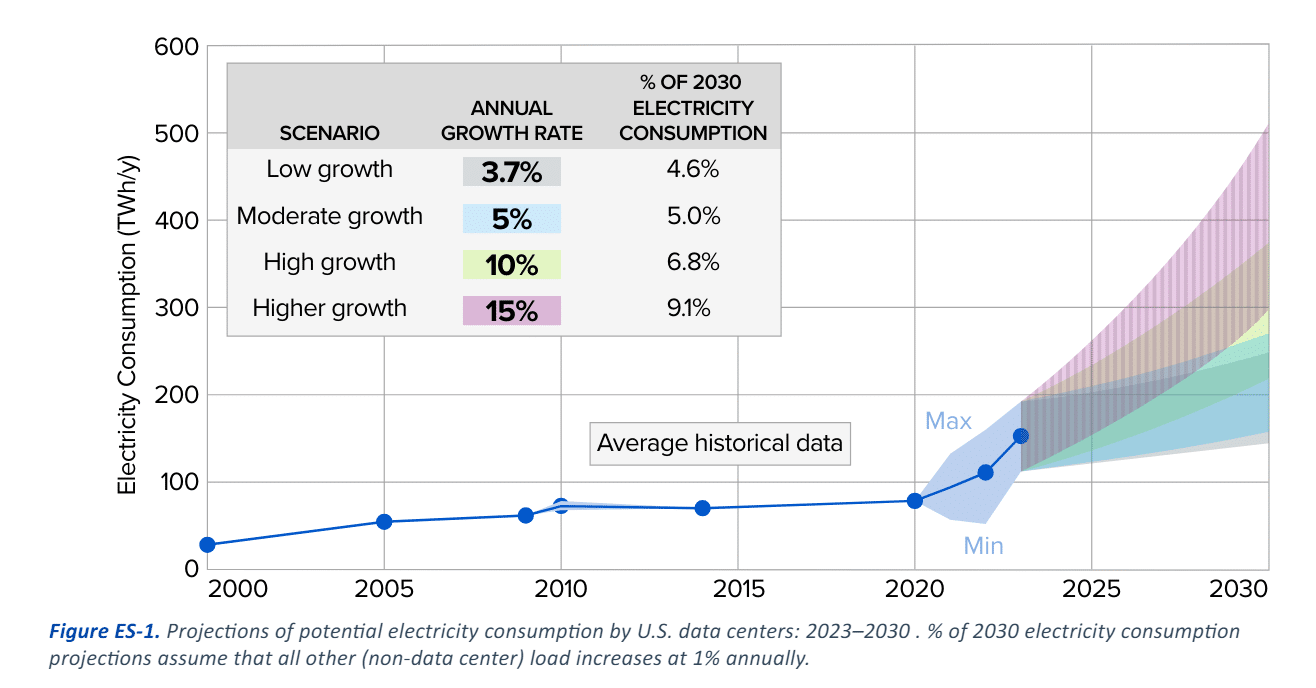
The most immediate constraint is electricity. AI data centers are voracious consumers of power, and the grid infrastructure simply cannot keep pace with demand growth. Data center electricity consumption is projected to double by 2030 due to AI workloads, creating an urgent need for $2 trillion in new energy generation capacity.
This bottleneck will hit hardest in 2026 because:
- Delayed capacity additions: New power plants take 3-5 years to build; projects greenlit in 2023-2024 won't come online until 2026-2027
- Grid congestion: Regional power grids, particularly in the U.S., are already strained by AI data center clustering
- Cost inflation: Energy prices will likely remain elevated, compressing margins for AI service providers
According to Deutsche Bank's CIO outlook, energy constraints will force difficult trade-offs between AI expansion and profitability.
Capital Discipline and Valuation Reset
The second pressure point is capital allocation. Tech giants and AI startups have burned through billions in R&D spending with limited near-term revenue to show for it. By 2026, investor patience will wear thin, and boards will demand clearer paths to profitability.
This shift will manifest as:
- Funding contraction: Venture capital will become more selective, starving marginal AI projects of resources
- Valuation compression: Unprofitable AI companies will face significant repricing
- M&A consolidation: Weaker players will be acquired or shuttered
Deutsche Bank's analysis suggests that the AI sector's growth rate will decelerate meaningfully as investors transition from "growth at any cost" to "show me the money."
Regulatory Headwinds Intensify
A third factor is regulatory tightening. Governments worldwide are moving toward AI governance frameworks—data privacy rules, algorithmic transparency requirements, and labor displacement policies. By 2026, many of these regulations will move from proposal to enforcement.
The compliance burden will be uneven, hitting smaller competitors harder than entrenched giants, further consolidating market power.
What This Means for Investors
Deutsche Bank maintains a cautiously optimistic stance on mega-cap AI beneficiaries like Alphabet, but warns that the broader AI ecosystem will face significant headwinds. The bank's outlook suggests that 2026 will be a year of separation—winners and losers will become unmistakably clear.
For investors, the message is stark: the era of indiscriminate AI enthusiasm is ending. 2026 will reward disciplined capital allocation, energy-efficient architectures, and companies with clear paths to profitability. The rest will face a reckoning.


