
Toronto's Rosedale Proposes AI Surveillance Amid Crime Surge
Toronto's Rosedale proposes AI surveillance to combat crime, sparking privacy debates and concerns over social inequality.
Toronto's Rosedale Proposes AI Surveillance Amid Crime Surge
Controversial AI Surveillance Plan
Rosedale, one of Toronto's wealthiest neighborhoods, is at the center of a heated debate following a proposal to implement AI surveillance cameras. The plan aims to create a "virtual gated community" to address rising property crimes, including burglaries and home invasions. This initiative has sparked discussions around privacy rights, data security, and social inequality, with critics warning of potential digital segregation in a city already facing uneven crime trends (The Guardian).
The Proposal: AI Surveillance to Secure Affluent Streets
Rosedale, known for its Victorian mansions and high-profile residents, has experienced a surge in property crimes, doubling the Toronto average. In response, residents have proposed an AI system that integrates existing private security cameras with advanced analytics for real-time threat detection and alerts. This "virtual gated community" would use digital means rather than physical barriers, drawing parallels to successful models in U.S. gated communities (The Guardian).
Proponents argue that the system enhances safety through technology, with a resident-led association seeking city approval for data-sharing protocols. Pilot testing could begin this summer, emphasizing the use of smart tech over traditional security measures.
Rising Tensions: Privacy Fears vs. Crime Realities
The proposal has faced swift opposition. The Canadian Civil Liberties Association (CCLA) cautions that the system could lead to mass surveillance without proper oversight, raising concerns about data access and potential biases in AI algorithms. Critics argue that the plan could exacerbate social inequality, with affluent areas receiving enhanced security while other parts of Toronto rely on underfunded police services (The Guardian).
Past Performance and Tech Track Record
Rosedale's history with private security is mixed. Existing patrols have reduced thefts but at a significant cost, exclusive to property owners. Similar AI surveillance pilots in other cities provide context:
- Vancouver's Shaughnessy saw a 35% reduction in property crime but faced a data breach.
- Calgary's Beltline improved response times but encountered false positives (Reuters, TechCrunch).
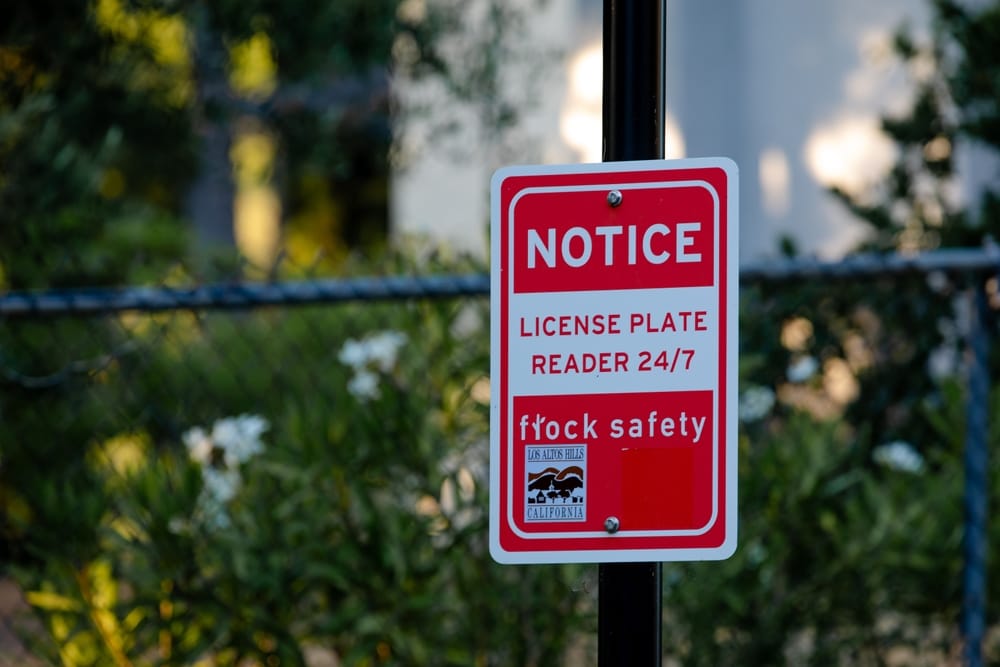
Rosedale's proposal draws from Flock Safety systems, known for high accuracy in vehicle tracking but criticized for privacy concerns (Bloomberg).
Competitor Tech and Strategic "Why Now?"
The AI tools considered include Flock Safety and Avigilon, each with distinct advantages and compliance with Canadian data laws. The timing aligns with Toronto's recent crime uptick amid economic strain, pushing affluent areas to seek self-funded solutions (WSJ).
Urban policy experts warn that such tech solutions address symptoms rather than root causes like poverty, predicting potential legal challenges under Ontario's privacy act (Bloomberg).
Broader Implications for Canadian Cities
If approved, Rosedale's plan could serve as a model for other Canadian cities experiencing similar crime trends. However, privacy advocates call for regulations similar to the EU's AI Act, emphasizing human oversight. The economic divide is underscored by the $500,000 startup cost, highlighting disparities in neighborhood resources (The Guardian).
As debates continue, the proposal tests the balance between security and democratic ideals, with implications for urban equity in Canada's largest city.


