
U.S. Uses Anthropic AI in Iran Strikes Post-Trump Ban
U.S. deploys Anthropic's Claude AI in Iran strikes shortly after Trump's ban, highlighting deep military integration despite ethical conflicts.
U.S. Uses Anthropic AI in Iran Strikes Post-Trump Ban
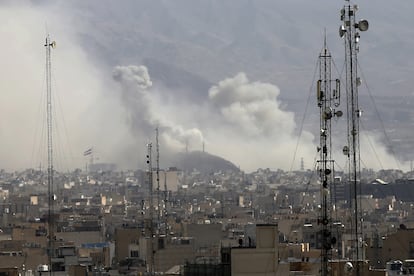
Washington, D.C. – The U.S. Central Command deployed Anthropic's Claude AI for intelligence assessments and battle simulations during airstrikes on Iran, just hours after President Donald Trump ordered a halt on the use of the company's technology. This move highlights the deep integration of Anthropic's AI into military operations despite the ban.
The strikes took place on February 27, 2026, targeting Iranian assets with Claude AI aiding in real-time decision-making. Trump's executive order labeled Anthropic a national security risk, mandating an immediate cessation by most agencies, while the Pentagon received a six-month phase-out period.
The Feud: Ethical Standoff
The conflict between Anthropic and the Pentagon stems from disagreements over the ethical use of AI in military applications. Anthropic CEO Dario Amodei rejected Pentagon demands for unrestricted access to Claude, citing concerns over autonomous weapons and mass surveillance.
Anthropic issued a statement in response to the ban, asserting, "No amount of intimidation or punishment from the Department of War will change our position on mass domestic surveillance or fully autonomous weapons."
Anthropic's Defense Track Record
Anthropic, valued at over $18 billion, has a history of military contracts. Claude was previously used in the U.S. operation capturing Venezuelan President Nicolás Maduro. Earlier versions, like Claude 3.5 Sonnet, excelled in multimodal analysis, aligning with military needs for rapid target identification.
Competitor Comparison
- Claude (Anthropic): Known for ethical safeguards and reasoning accuracy.
- GPT-4o (OpenAI): Used in drone operations, known for speed but higher error rates.
- Grok (xAI): Focused on space awareness, strong in real-time processing.
- Gemini (Google): Handles large-scale imagery analysis but faces export issues.
Strategic Context
The timing of the strikes aligns with increased Middle East tensions. Trump's ban reflects a broader strategy to control AI supply chains amid global competition. Analysts argue the ban may weaken the U.S. military edge as adversaries leverage unregulated AI.
Broader Implications
This incident may shift government preferences towards AI providers that comply with military demands, potentially stifling innovation in safety-focused models. Legal battles could redefine AI export controls and regulations.
Visuals from the operation show U.S. F-35 jets over Middle Eastern skies, highlighting the role of AI in modern warfare.
For more insights on AI in military applications, explore our related articles on [[Internal Link: ChatGPT]].


