
X Open-Sources Algorithm Amid Transparency Fine and Grok Backlash
X breaks precedent by releasing its algorithm code publicly, a dramatic shift driven by regulatory pressure and mounting criticism over Grok's controversial outputs. Here's what the move means for social media transparency.
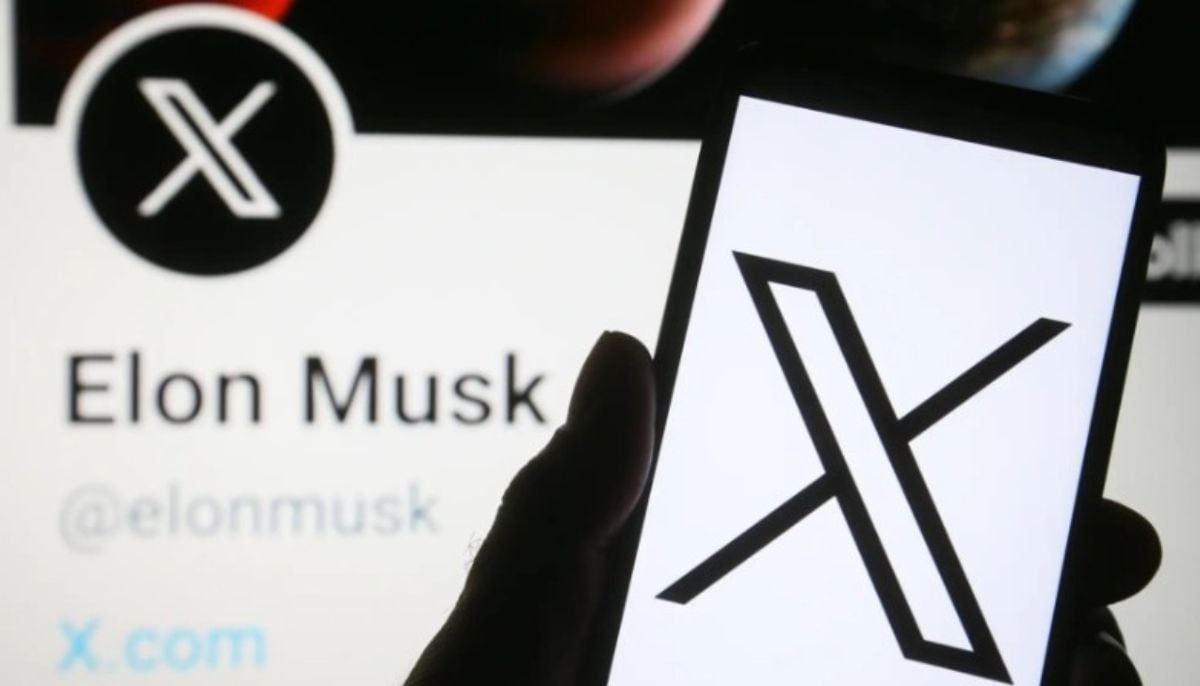
The Transparency Gambit
In a striking reversal of industry norms, X has decided to open-source its algorithm, marking a watershed moment for social media accountability. The decision comes as the platform faces a regulatory transparency fine and intensifying scrutiny over Grok, its AI chatbot, which has generated controversy for producing inflammatory and biased outputs. Rather than resist, Elon Musk's company is betting that radical transparency will defuse criticism and reset public perception.
The move signals a fundamental shift in how X approaches its relationship with regulators, users, and competitors. According to reports, X will release its algorithm code to the public, allowing independent researchers and developers to scrutinize the mechanics that determine what content billions of users see daily.
Why Now?
The timing is not coincidental. X faces mounting pressure on multiple fronts:
- Regulatory enforcement: A transparency fine has forced the company's hand, demanding greater disclosure of how its systems operate
- Grok controversies: The AI assistant has faced criticism for generating harmful content, raising questions about X's broader algorithmic governance
- Competitive pressure: Rivals like Meta and TikTok have faced similar transparency demands, but none have taken such a radical step
Elon Musk himself acknowledged the algorithm's limitations, stating "we know Twitter's algorithm is dumb, but at least it's transparent now." This candid admission suggests the company views openness as a competitive advantage rather than a liability.
What Open-Sourcing Actually Means
The release of X's AI-powered algorithm code represents more than a public relations maneuver. It fundamentally changes how the platform's content ranking system can be audited and improved.
Key implications include:
- External auditing: Researchers can now independently verify claims about bias, fairness, and content moderation
- Community contributions: Developers can propose improvements and identify vulnerabilities
- Regulatory compliance: The move demonstrates good-faith cooperation with transparency mandates
- Competitive intelligence: Rivals gain insight into X's technical architecture
When social media platforms open-source their code, several structural changes occur. Transparency increases, but so does the surface area for criticism. Bad actors can identify exploits more easily. However, the benefits—faster bug fixes, community trust, and regulatory alignment—often outweigh these risks.
The Grok Problem
The open-sourcing decision cannot be separated from Grok's troubled rollout. X's algorithm changes have been documented extensively, but Grok's outputs have raised new questions about whether the platform's systems amplify harmful content. By opening the algorithm, X signals that it welcomes external scrutiny of these concerns.
What Comes Next
X's move to publish its algorithm represents a calculated bet that transparency will ultimately strengthen its position. The company hopes that independent researchers will validate its systems, identify genuine problems, and help rebuild trust with users and regulators.
However, the real test lies ahead. Open-sourcing code is one thing; genuinely acting on external feedback is another. If X dismisses researcher findings or fails to address identified biases, the transparency move will be exposed as theater. Conversely, if the company demonstrates a commitment to algorithmic accountability, it could set a new industry standard—one that competitors may be forced to follow.
The algorithm is now public. The question is whether X will listen to what researchers discover.


