
Claude AI Powers NASA's Perseverance Rover to Historic 400-Meter Mars Drive
NASA's Perseverance rover has completed its first fully AI-planned autonomous drive on Mars, traveling 400 meters with route planning powered by Anthropic's Claude. This breakthrough demonstrates how advanced AI can enhance deep-space exploration and autonomous navigation in extreme environments.
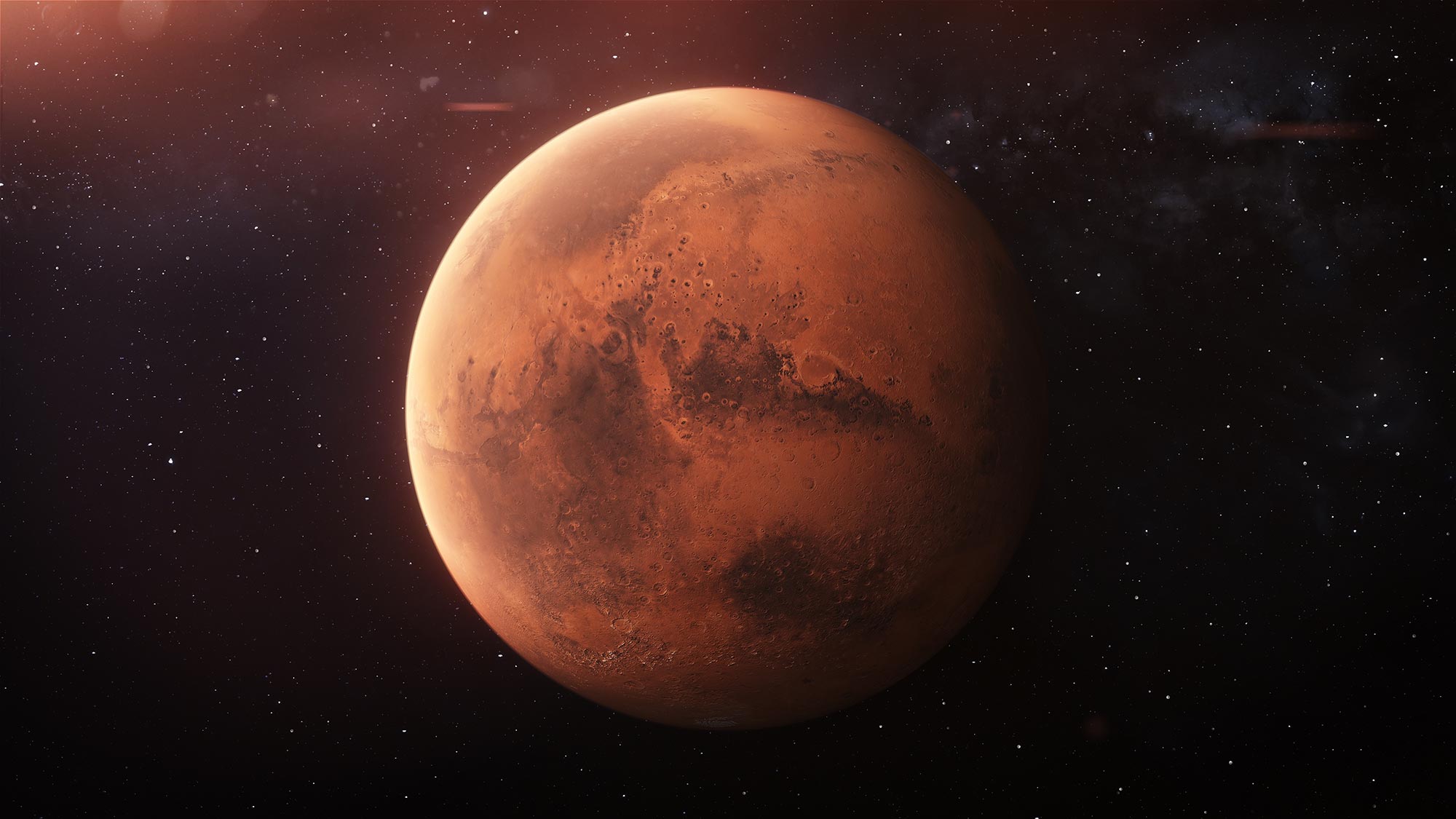
AI Takes the Wheel on Mars: A Turning Point for Autonomous Exploration
The race to master autonomous navigation in space just entered a new phase. NASA's Perseverance rover has completed its first fully AI-planned autonomous drive on Mars, traveling 400 meters across the Martian surface with route planning powered by Anthropic's Claude AI system. This achievement marks a significant milestone in how space agencies approach deep-space exploration, shifting from purely pre-programmed routes to dynamic, AI-assisted navigation.
The implications are substantial. Rather than relying solely on ground-based mission planners to chart every movement, Perseverance now leverages Claude to analyze terrain data, identify hazards, and optimize driving routes in near-real-time. This capability could dramatically accelerate exploration timelines and reduce the operational burden on Earth-based teams managing rovers millions of miles away.
How Claude Planned the Drive
According to NASA's Jet Propulsion Laboratory, the AI system processed rover sensor data and topographical information to generate an optimal path forward. The process involved:
- Terrain Analysis: Claude evaluated surface conditions, rock formations, and slope angles to identify safe driving corridors
- Hazard Detection: The system flagged potential obstacles and unstable terrain that could damage the rover
- Route Optimization: Multiple viable paths were assessed to select the most efficient route given power constraints and scientific objectives
- Real-Time Adaptation: Unlike traditional pre-planned routes, the AI could adjust recommendations based on updated sensor readings
NASA's official mission page confirms that this represents a fundamental shift in how the agency approaches rover autonomy. Previously, Perseverance relied on detailed commands uploaded from Earth, with communication delays of up to 22 minutes each way making real-time adjustments impossible.
Why This Matters for Space Exploration
The 400-meter drive might seem modest by terrestrial standards, but it represents a watershed moment for autonomous systems in space. According to reporting on the achievement, the integration of large language models into rover operations opens new possibilities for future missions.
Operational Efficiency: Ground teams can now focus on high-level mission objectives rather than micromanaging every wheel rotation. This frees human expertise for complex decision-making and scientific analysis.
Extended Mission Capability: As rovers age and communication windows narrow, AI-assisted autonomy extends operational lifespans by reducing dependency on Earth-based oversight.
Scalability for Future Missions: With multiple rovers and landers planned for Mars and beyond, AI-driven navigation could become standard practice, enabling simultaneous operations across multiple sites.
The Broader Competitive Landscape
This achievement arrives amid intensifying competition in autonomous space systems. Other space agencies and private companies are developing their own AI-assisted navigation capabilities, but NASA's successful integration with Claude demonstrates the viability of leveraging cutting-edge large language models for mission-critical applications.
The technical challenge wasn't simply getting Claude to work—it was ensuring reliability and safety in an environment where failures are irreversible and communication delays make human intervention impossible during critical maneuvers. The fact that Perseverance completed the drive without incident validates the approach.
Looking Ahead
NASA's documentation of this milestone suggests this is the beginning of expanded AI integration across the rover's operations. Future drives may involve more complex terrain, longer distances, and increasingly autonomous decision-making.
The 400-meter drive on Mars represents more than a technical achievement—it's proof that AI systems can operate reliably in humanity's most extreme environments. As space exploration becomes more ambitious and timelines compress, this capability will likely become indispensable.


